

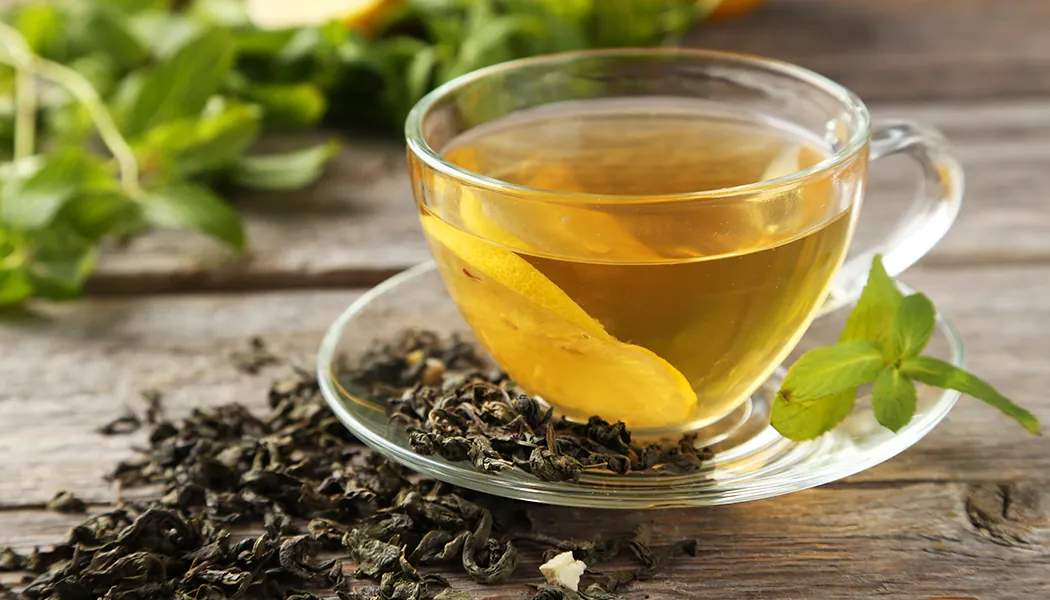
For centuries, green tea has been revered not just as a beverage, but as a symbol of health, tranquility, and natural vitality. Originating from the ancient lands of Asia, this verdant brew has captivated palates and minds alike with its diverse flavors, aromatic profiles, and remarkable health benefits. From delicate Japanese Sencha to robust Chinese Dragonwell, green tea offers a journey of discovery in every cup. But what truly makes this unoxidized tea so special, and how can you best unlock its potential?
Key Takeaways

- Understanding Green Tea: Origins from Camellia sinensis and unique processing.
- Exploring Varieties: From Sencha to Matcha, find your perfect brew.
- Wellness Boost: Discover the significant health advantages.
- Mastering the Brew: Tips for using your teapot and water kettle for optimal flavor.
- Caffeine Content: What to expect and how it compares.
- Selecting Your Tea: Finding the best green tea brands and understanding green tea extract.
What is Green Tea? The Essence of Unoxidized Leaves
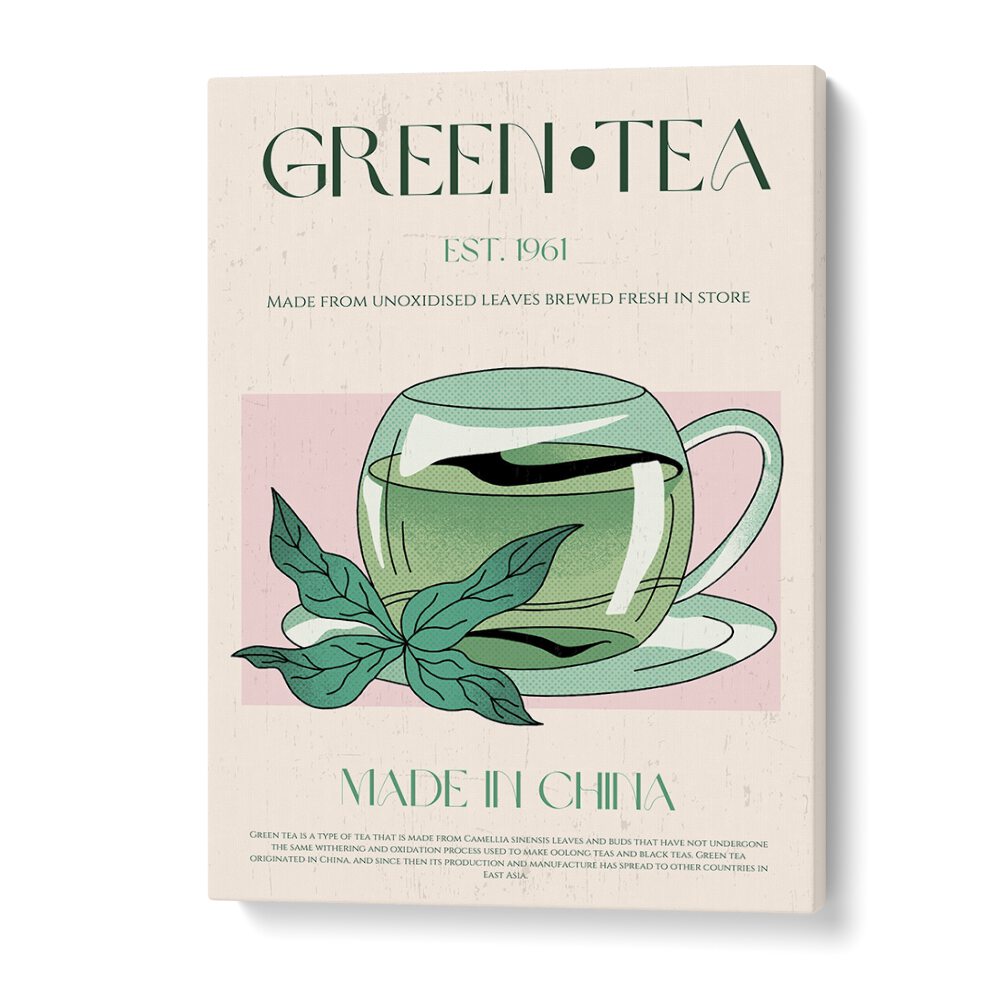
At its heart, green tea is a type of tea made from the leaves of the Camellia sinensis plant. What sets it apart from black or oolong tea is its unique processing method: the leaves are prevented from undergoing significant oxidation. Soon after harvesting, they are quickly heated – either by pan-firing (common in China) or steaming (common in Japan) – to halt the enzymatic process that causes oxidation. This preserves the natural green color, fresh flavor, and a higher concentration of beneficial compounds like catechins. The result is a vibrant, often grassy or nutty, and sometimes even sweet beverage that is incredibly refreshing.
The Journey from Leaf to Cup: Processing Green Tea

The journey of green tea from a fresh leaf to your cup is a meticulous process designed to maintain its distinct characteristics. After plucking, the leaves are typically withered slightly to reduce moisture content. The crucial step, as mentioned, is the immediate application of heat.
- Steaming (Japanese method): Leaves are steamed for a short period (15-20 seconds) to prevent oxidation. This method tends to produce teas with a more vibrant green color and a slightly sweeter, often vegetal or oceanic flavor profile.
- Pan-firing (Chinese method): Leaves are tossed in large woks or rotating drums, allowing dry heat to halt oxidation. This often results in a more mellow, sometimes toasted or nutty flavor, and a yellowish-green hue.
Following this, the leaves are rolled and shaped, which can be done by hand or machine, and then dried to remove any remaining moisture, ensuring longevity and concentrating flavor.
Types of Green Tea: Exploring the Verdant Varieties

The world of green tea is incredibly diverse, offering a vast array of flavors, aromas, and textures. Here are just a few popular types:
- Sencha: The most popular green tea in Japan, known for its fresh, grassy, and sometimes slightly astringent flavor. It\’s steamed, giving it a bright green liquor.
- Matcha: A finely ground powder of specially shade-grown green tea leaves. Used in traditional Japanese tea ceremonies, it has a rich, umami flavor and vibrant green color.
- Gyokuro: Another Japanese shade-grown tea, similar to Matcha but consumed as an infused leaf tea. It boasts a deeply sweet, savory (umami) flavor with minimal bitterness.
- Bancha: A coarser, more everyday Japanese green tea, often made from later harvest leaves or larger leaves and stems. It has a milder flavor than Sencha.
- Longjing (Dragonwell): A famous pan-fired Chinese green tea, characterized by its flat, sword-shaped leaves and a wonderfully nutty, toasty, and slightly sweet flavor.
- Gunpowder: A Chinese green tea where each leaf is rolled into a small pellet, resembling gunpowder. It has a bolder, smokier flavor.
Health Benefits of Green Tea: A Cup of Wellness
Green tea is celebrated worldwide for its potential health-promoting properties, largely attributed to its high concentration of antioxidants, particularly catechins like EGCG (epigallocatechin gallate).
- Antioxidant Powerhouse: The catechins help combat oxidative stress and may reduce the risk of chronic diseases.
- Heart Health: Studies suggest green tea can help lower \”bad\” LDL cholesterol and triglycerides, potentially reducing the risk of heart disease and stroke.
- Brain Function: The combination of caffeine and L-theanine can improve cognitive function, mood, and alertness without the jitteriness often associated with coffee.
- Weight Management: Some research indicates green tea can boost metabolism and fat burning, aiding in weight loss efforts.
- Diabetes Risk Reduction: Regular consumption may help improve insulin sensitivity and lower blood sugar levels, potentially reducing the risk of type 2 diabetes.
- Cancer Prevention: While more research is needed, some studies suggest that green tea\’s antioxidants may help protect against certain types of cancer.
For more in-depth information on the health aspects, you can explore resources like Harvard Health Publishing on the benefits of green tea: Tea: Good for Your Heart?
Brewing the Perfect Cup: Tips for Enthusiasts

To truly appreciate the nuances of green tea, proper brewing is key. Unlike black tea, green tea is more delicate and can easily become bitter if steeped incorrectly.
- Quality Water: Start with fresh, filtered water.
- Water Temperature: This is crucial. Green tea generally prefers lower temperatures than black tea. Aim for 160-180°F (70-82°C). A good quality water kettle with temperature control can be invaluable here. Too hot, and you\’ll scorch the delicate leaves and extract bitterness.
- Tea-to-Water Ratio: A general guideline is 1 teaspoon of loose leaf tea per 6-8 ounces (180-240 ml) of water. Adjust to your taste.
- Steeping Time: Green teas typically steep quickly. 1-3 minutes is often sufficient. Lighter green teas like Sencha might only need 1 minute, while heartier varieties could go for 3.
- Equipment: A dedicated teapot is ideal for brewing loose leaf green tea, allowing the leaves to fully expand and release their flavors. Consider a ceramic or glass teapot that won\’t impart flavors.
Green Tea & Caffeine: What You Need to Know

Yes, green tea does contain caffeine, as it comes from the Camellia sinensis plant. However, its caffeine content is generally lower than that of coffee or black tea, and it often provides a different kind of energy boost.
- Average Content: A standard 8-ounce cup of green tea typically contains between 25-50 mg of caffeine, compared to 95-200 mg in coffee.
- L-Theanine Effect: Green tea also contains L-theanine, an amino acid that works synergistically with caffeine. L-theanine promotes a state of calm alertness, reducing the \”jitters\” and improving focus, leading to a smoother, more sustained energy release.
- Factors Affecting Caffeine: The type of green tea (Matcha, for example, has higher caffeine due to consuming the whole leaf), brewing time, and water temperature can all influence the caffeine content.
Choosing Your Brew: Best Green Tea Brands & Extracts
:max_bytes(150000):strip_icc()/best-green-teas-5115813_Fit-80af7f827cec4637b5cc18fa1bd1800a.jpg)
When venturing into the world of green tea, selecting a quality product can significantly enhance your experience. Look for reputable brands that prioritize sourcing, freshness, and organic practices.
- Loose Leaf vs. Tea Bags: Loose leaf teas generally offer a superior flavor profile and more health benefits as they contain whole or larger leaf pieces, allowing for better infusion. Tea bags, while convenient, often contain \”fannings\” or dust, which can yield a weaker or more bitter brew.
- Best Green Tea Brands: Some well-regarded brands known for their quality green teas include Teavana, Harney & Sons, Rishi Tea, Numi Organic Tea, and various specialized Japanese and Chinese tea companies (e.g., Ippodo Tea Co. for Japanese greens). Reading reviews and exploring specialty tea shops can help you discover new favorites.
- Green Tea Extract: For those who want the concentrated benefits without brewing, green tea extract is available in capsule form. These extracts are standardized to contain a high percentage of catechins, including EGCG. While convenient, it\’s always advisable to consult with a healthcare professional before adding supplements to your routine, especially high-dose extracts. A good resource for understanding supplements is the National Institutes of Health: Green Tea Fact Sheet for Health Professionals.
From its ancient roots in the Camellia sinensis plant to its modern acclaim, green tea offers a wealth of flavors and benefits. Whether you\’re carefully steeping a delicate Sencha in your favorite teapot or seeking the concentrated power of a green tea extract, this unoxidized tea is a wonderful addition to a healthy and mindful lifestyle. So, go ahead, put the water kettle on, and enjoy a nourishing cup of green tea.




Leave a Reply