
Hey there! If you’re looking for a fresh way to earn some extra cash online, or even build a full-time income, you’ve probably heard whispers about affiliate marketing. And if you’re like me, you might be wondering, “Can I actually make this work on Pinterest?” Well, let me tell you, the answer is a resounding YES!
Pinterest isn’t just a pretty place for recipes and home decor ideas anymore. It’s a powerful visual search engine where millions of people go looking for inspiration, solutions, and products to buy. Think about it: when someone searches for “best hiking boots” or “minimalist living room ideas,” they’re often ready to pull out their wallet. That’s where you come in, connecting them with products they’ll love through affiliate links.
Honestly, getting started can feel a bit overwhelming, right? There are so many moving parts, from setting up accounts to designing pins and understanding disclosures. But don’t sweat it! I’m here to walk you through everything you need to know to start Pinterest affiliate marketing the right way. We’re going to cover the basics, share some pro tips, and help you avoid common pitfalls. Let’s dive in!
Key Takeaways
What is Pinterest Affiliate Marketing, Anyway?
At its core, Pinterest affiliate marketing is simply promoting products on Pinterest and earning a commission when someone buys something through your unique link. You’re basically acting as a digital matchmaker: connecting users who are actively searching for things with products that solve their problems or fulfill their desires.
Now, what makes Pinterest such a special place for this? Unlike social media platforms where content disappears in a feed, Pinterest acts more like a visual search engine. Pins, which are essentially images or videos, have a much longer shelf life. People save them to boards, discover them months later through search, and constantly revisit ideas. This means your efforts can continue to pay off long after you’ve created a pin.
When someone is browsing Pinterest, they’re often in a “discovery” or “planning” mindset. They’re looking for inspiration for their next project, outfit, or meal. This puts them in a prime position to be receptive to product recommendations. It’s less about hard selling and more about helpful suggestions, which honestly, makes it a lot more enjoyable for everyone involved.
Setting Up Your Pinterest Business Account
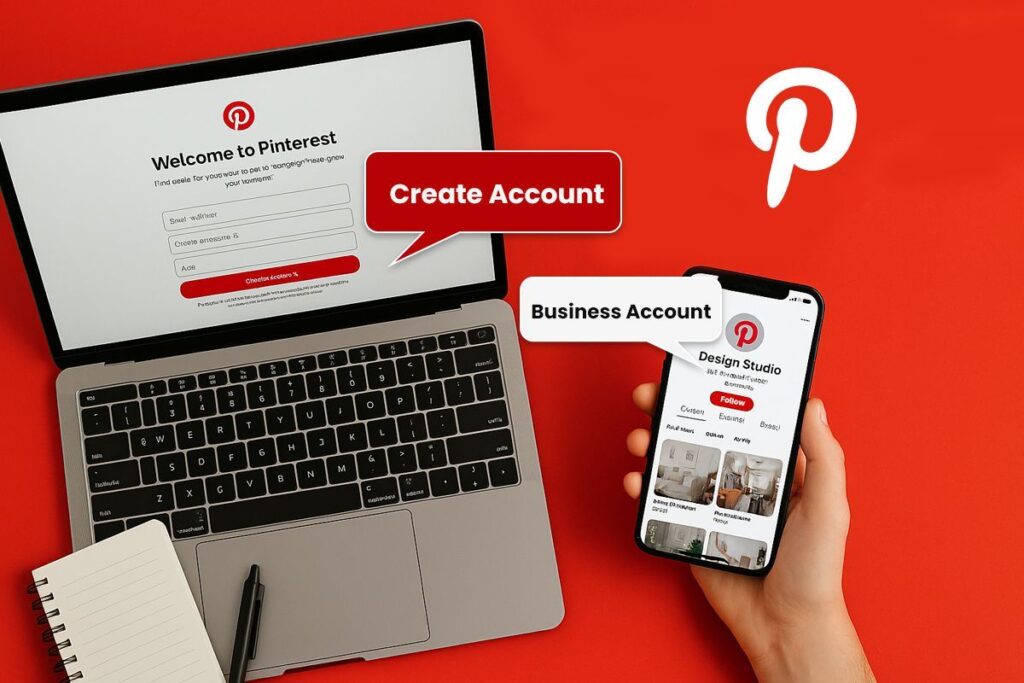
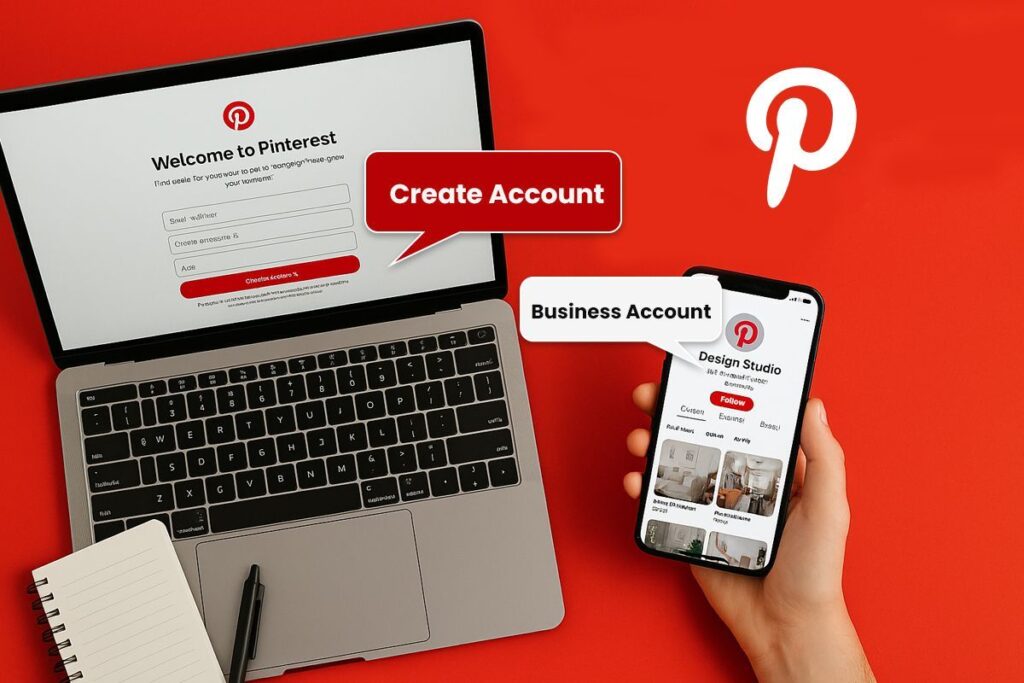
Alright, first things first: if you’re serious about making money with affiliate marketing on Pinterest, you absolutely need a business account. It’s free, and it gives you access to some pretty powerful tools that personal accounts just don’t have.
Why a business account? For starters, you get access to Pinterest Analytics. This lets you see which pins are performing well, who your audience is, and what they’re clicking on. This data is absolutely invaluable for figuring out what works and what doesn’t. Plus, a business account lets you use Rich Pins, which add more context to your pins, like product details or recipe ingredients, making them even more attractive.
Here’s how you can get your business account up and running:
- Convert a Personal Account: If you already have a personal Pinterest account, you can easily convert it to a business account. Just go to your settings, find “Account settings,” and click “Convert to business account.” Follow the prompts, add your business name (even if it’s just your name or blog name), and you’re good to go.
- Create a New Business Account: If you’re starting from scratch, go to business.pinterest.com and click “Sign up.” You’ll choose “Create a free business account” and fill in your details. Make sure your profile looks professional and clearly states what your account is about.
- Claim Your Website (If You Have One): While you can do affiliate marketing on Pinterest without a website, claiming your site (if you have one) is a big trust signal for Pinterest. It helps verify your account and can give you more data.
Once you’re set up, take a moment to fill out your profile completely. Add a profile picture, a clear description of what you pin about, and include any relevant links. A well-rounded profile builds trust with both Pinterest and your potential followers.
Finding the Right Niche and Affiliate Programs
This step is often where people trip up, but it’s arguably one of the most important. Choosing the right niche for Pinterest affiliate marketing is crucial for your long-term success. You want something you’re genuinely interested in, but also something that has a decent audience and plenty of products to promote.
Think about your hobbies, passions, or areas where you have some expertise. Do you love baking? Are you a guru at organizing tiny spaces? Obsessed with sustainable fashion? These can all be fantastic niches. The key is to pick something specific enough to attract a dedicated audience, but broad enough to offer a variety of products. For instance, instead of just “fashion,” consider “eco-friendly fashion for millennials” or “plus-size vintage fashion.”
Once you’ve got a niche in mind, it’s time to find affiliate programs. These are the companies that will pay you commissions. Here are some popular options and how to think about them:
- Amazon Associates: This is often the first stop for beginners, and for good reason. Amazon has millions of products, so you’ll almost certainly find something relevant to your niche. The commission rates aren’t the highest, but the sheer volume of products and Amazon’s trusted name make it a solid choice. Yes, you absolutely can use Amazon affiliate links on Pinterest, just be sure to follow their guidelines and disclose appropriately.
- Larger Affiliate Networks: Platforms like ShareASale, CJ Affiliate (formerly Commission Junction), and Rakuten Advertising host thousands of different brands. You can search for specific categories related to your niche and apply to individual programs. These often offer higher commission rates than Amazon.
- Direct Affiliate Programs: Many individual brands run their own affiliate programs. If there’s a particular brand you love and use, check their website (often in the footer) for an “Affiliates” or “Partners” link. These programs can sometimes offer the best commissions if you’re promoting a specific product line.
- Digital Product Marketplaces: If your niche involves digital products (e.g., e-books, courses, software), consider platforms like ClickBank or SendOwl. These often have very high commission rates because there are no physical goods involved.
When you’re choosing programs, consider the commission rate, cookie duration (how long after someone clicks your link you can still earn a commission), and how well the products align with your audience’s needs. Don’t just chase the highest commission; look for quality products that you’d genuinely recommend.
Crafting Compelling Pins: Design and Copy
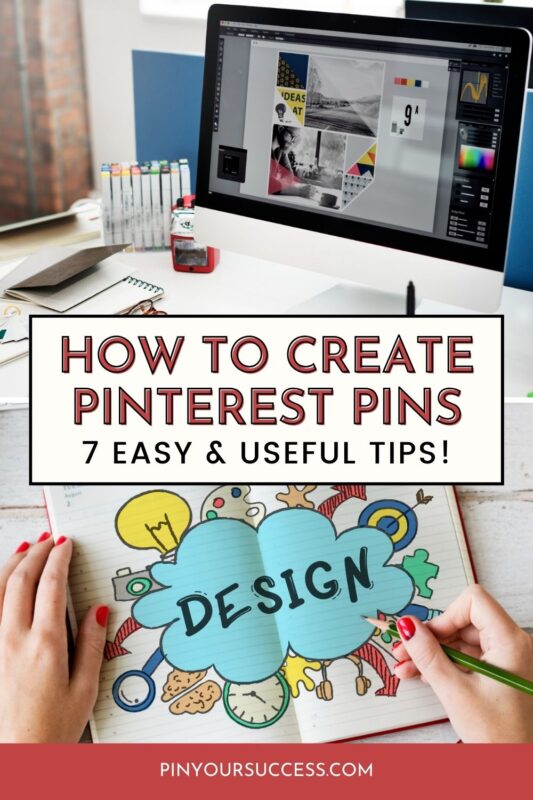
Let’s be real, Pinterest is all about visuals. So, if your pins don’t stand out, you’re going to have a tough time getting clicks. Creating converting pins for affiliate products isn’t just about throwing up a product image; it’s about telling a story and catching an eye.
Your pin design is the first thing people see. Aim for bright, high-quality images that clearly relate to your niche and the product. Pinterest prefers vertical pins, so a 2:3 aspect ratio (e.g., 1000 x 1500 pixels) is ideal. Use clear, easy-to-read text overlays. This text should grab attention and make people want to know more. Think headlines like “7 Must-Have Gadgets for Your Next Road Trip” or “The Secret to a Clutter-Free Kitchen.”
For design, the Canva design platform is your best friend. It’s incredibly user-friendly, has tons of templates, and makes it simple to create professional-looking pins even if you’re not a graphic designer. Just remember to keep your branding consistent – use similar fonts, colors, and styles so people start to recognize your pins.
Beyond the visual, your pin’s description matters. This is where you provide more context, include relevant keywords, and entice people to click. Don’t just list features; talk about benefits. How will this product make their life better, easier, or more enjoyable? End with a clear call to action, like “Click here for the best deals!” or “Shop now to get yours!”
Here’s a quick table comparing different pin types and their best uses for affiliate marketing:
| Pin Type | Best Use Case for Affiliates | Key Feature & Tip |
|---|---|---|
| Standard Pin | Driving traffic to blog posts, specific product pages, or review articles. | High-quality image + engaging text overlay. Make the headline irresistible! |
| Idea Pin | Storytelling, step-by-step tutorials, “how-to” guides showing product in action. | Multi-page format (images/video). Tag products directly, include text overlays on each page. |
| Video Pin | Product demos, unboxing videos, short captivating clips showcasing benefits. | Motion grabs attention. Keep it short, sweet, and show, don’t just tell. |
| Product Pin (Rich Pin) | Direct shopping, showcasing specific items with real-time pricing. | Automatically pulls product details from your linked site. Great for direct sales. |
Mastering Pinterest SEO for Affiliate Links
You can create the most beautiful pins in the world, but if no one can find them, they won’t do you any good. That’s where Pinterest SEO comes in. Think of Pinterest as a search engine, similar to Google, but with images. You need to use keywords strategically so your pins show up when people search for them.
First, start with keyword research. Use the Pinterest search bar itself. Type in a broad term related to your niche, and see what suggestions pop up. Those are often popular long-tail keywords people are searching for. You can also use tools like Google Keyword Planner or even Ubersuggest to find related terms.
Once you have your keywords, sprinkle them naturally throughout your Pinterest presence:
- Pin Titles: Make them descriptive and keyword-rich.
- Pin Descriptions: Write detailed descriptions (2-3 sentences minimum) that use your keywords and explain what your pin is about. Remember to include your FTC disclosure here!
- Board Titles: Your boards should also have keyword-rich titles. For example, instead of “My Favorite Things,” try “Organic Skincare Products” or “Camping Gear Essentials.”
- Board Descriptions: Don’t forget to add descriptions to your boards, using more relevant keywords.
- Image File Names: Before you even upload an image, rename the file with relevant keywords (e.g., “best-hiking-backpacks.jpg” instead of “IMG_1234.jpg”).
Pro Tip: Don’t just stuff keywords. Write naturally for humans first, but make sure your chosen keywords are present. Pinterest’s algorithm is smart enough to understand context, so focus on providing value with your descriptions, not just a list of words.
Another thing to consider is Rich Pins. These add extra information directly to your pins, making them more useful and clickable. For affiliate marketers, Product Rich Pins are incredibly useful because they can show real-time pricing and availability. While you usually need a website to get these, some affiliate networks might offer solutions if you’re linking directly to product pages. Setting up Rich Pins generally involves adding some code to your website or linking to a supported merchant site.
Automating with Tailwind and Other Tools
Let’s be honest, consistency is key on Pinterest, but manually pinning all day can feel like a part-time job. That’s where scheduling tools come in handy. They help you maintain an active presence without being glued to your screen, and honestly, they’re a game-changer for anyone serious about Pinterest affiliate marketing.
The most popular tool, and one I’ve used myself for years, is the Tailwind scheduling tool. Tailwind allows you to:
- Schedule Pins in Advance: You can create a batch of pins and schedule them to go out at optimal times when your audience is most active.
- Join Tailwind Communities: These are groups of pinners who share each other’s content, which can significantly amplify your reach.
- Analyze Performance: Tailwind also offers its own analytics, helping you understand what’s working with your scheduled content.
Using a tool like Tailwind frees up your time, ensures your account stays active, and helps you keep a consistent flow of content, which Pinterest’s algorithm tends to favor. It’s an investment, but one that often pays for itself in saved time and increased reach.
Beyond Tailwind, there are other tools that can assist in your Pinterest journey. For design, as mentioned, Canva is a must. For link shortening and tracking clicks (especially if your affiliate program doesn’t provide detailed analytics for specific links), tools like Bitly can be useful. And for staying organized with your affiliate links and disclosure requirements, a simple spreadsheet often works wonders.
Common Mistakes to Avoid When Starting
When you’re eager to start Pinterest affiliate marketing, it’s easy to make a few blunders. Trust me, I’ve made my share! The first time I really tried to push affiliate products on Pinterest, I got so excited about creating a bunch of pins that I completely overlooked one critical detail: the FTC disclosure. I was just pinning away, adding affiliate links, and assuming everyone knew what was up. Pinterest, being smart, quickly flagged some of my pins and I saw a dip in impressions. It felt like a cold splash of water, and I had to go back and manually edit dozens of pins, adding disclosures. It was a real headache and a valuable lesson: always, always disclose your affiliate links!
Here are some other common missteps to watch out for:
- Not Disclosing Affiliate Links: This isn’t just a best practice; it’s a legal requirement by the FTC. You need to clearly state that you’re using affiliate links. Phrases like “#affiliatelink,” “#ad,” or “I may earn a commission from purchases made through these links” work well and should be included in your pin description and on any landing pages.
- Spamming: Don’t just blast out dozens of pins for the same product in a short period. Pinterest sees this as spammy behavior and it can hurt your account. Focus on creating unique, high-quality pins for different aspects of a product or different products within your niche.
- Poor Quality Pins: Blurry images, tiny text, or pins that look like direct ads will get scrolled right past. Invest time in creating visually appealing pins with clear, readable text overlays.
- Ignoring Pinterest SEO: If you don’t use relevant keywords in your pin titles, descriptions, and board names, your pins won’t show up in search results. It’s like having a fantastic product in a hidden shop.
- Not Providing Value: Don’t just link to a product page. Create pins that offer solutions, inspiration, or helpful information related to the product. For example, instead of “Buy this blender,” try “5 Smoothie Recipes for a Healthy Start to Your Day” and link to a pin that features a blender as an affiliate product.
- Lack of Consistency: Pinterest loves fresh content. If you only pin once a month, you’re not going to see much traction. Aim for a consistent pinning schedule, even if it’s just a few pins every day or several times a week.
By being mindful of these common mistakes, you can save yourself a lot of frustration and actually build a sustainable affiliate marketing presence on Pinterest.
Tracking Your Success: Analytics and Iteration
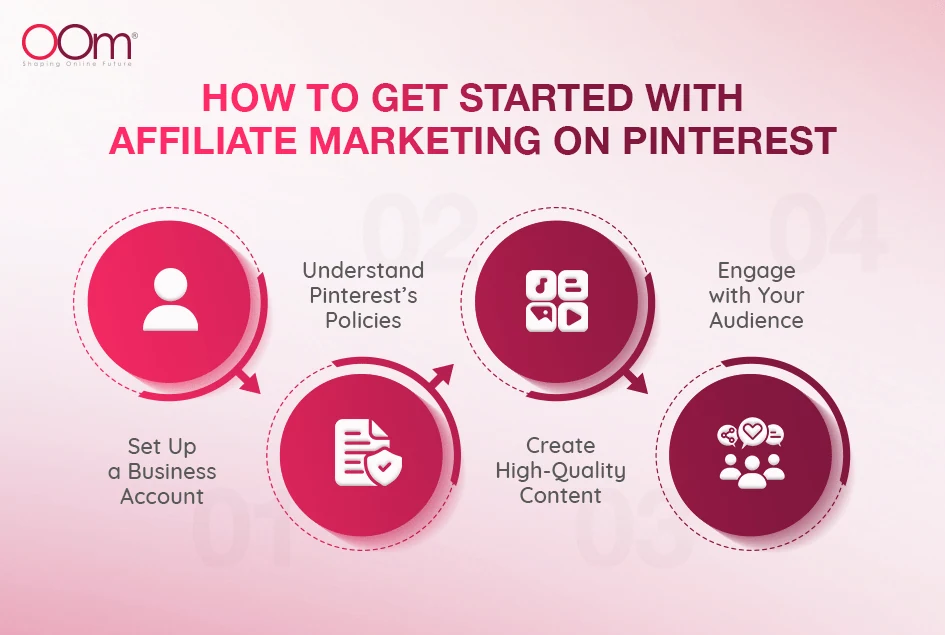
Once you’ve started pinning, you can’t just set it and forget it. To truly see how much you can earn with Pinterest affiliate marketing, you need to track what’s working and what isn’t. This is where Pinterest Analytics becomes your best friend.
Your Pinterest Business account gives you access to detailed analytics that show you important metrics like:
- Impressions: How many times your pins were seen. This tells you if your pins are getting discovered.
- Pin Clicks: How many times people clicked on your pins to go to your affiliate link (or website). This is a direct indicator of interest.
- Saves: How many times people saved your pins to their boards. This suggests your content is valuable and resonating with your audience.
- Top Pins & Boards: Which of your pins and boards are performing best, helping you understand what kind of content your audience loves.
Beyond Pinterest’s own analytics, your affiliate program dashboards are crucial. They’ll show you how many clicks your links received, how many sales resulted, and your overall conversion rates. If you’re seeing lots of clicks from Pinterest but no sales in your affiliate dashboard, you might need to look at the product page itself or reconsider if that specific product truly matches what your pin is promising.
The beauty of tracking is that it helps you iterate and improve. If a certain type of pin is getting high clicks but low saves, maybe the image is enticing, but the content isn’t useful enough to keep. If pins about “home office setup” are doing way better than pins about “kitchen gadgets,” then lean into the home office niche. Consistently reviewing your data allows you to refine your strategy, focus on what’s working, and ultimately boost your earnings. It’s an ongoing process, but a rewarding one.
Frequently Asked Questions
Is Pinterest affiliate marketing worth it?
Absolutely, yes! Pinterest affiliate marketing can be incredibly worth it. It’s a powerful visual search engine with high buyer intent, meaning people are often actively looking for products to buy. Plus, pins have a long shelf life, giving your content a chance to generate clicks and sales for months, sometimes even years, after you’ve created them. The time you put in upfront can keep paying off.
How do I do affiliate marketing on Pinterest without a website?
You can definitely do affiliate marketing on Pinterest without a website! Many affiliate programs, including Amazon Associates, allow you to link directly to product pages using your affiliate link. Just make sure to read the terms and conditions of each program carefully. You’ll create compelling pins with strong visuals and descriptions, and link the pin directly to your affiliate product URL. Remember your FTC disclosure!
Can you use Amazon affiliate links on Pinterest?
Yes, you can use Amazon affiliate links on Pinterest. Amazon Associates is a popular choice for many Pinterest affiliate marketers due to the vast selection of products. Just be sure to adhere to Amazon’s operating agreement and Pinterest’s guidelines, especially regarding clear disclosure of your affiliate relationship in your pin descriptions.
How much can you earn with Pinterest affiliate marketing?
The amount you can earn with Pinterest affiliate marketing varies wildly, just like with any online venture. It depends on your niche, the affiliate programs you join (commission rates differ), the quality and quantity of your pins, and how well you understand Pinterest SEO. Some people earn a few hundred dollars a month as a side income, while others build it into a full-time, five-figure income stream. Consistency and smart strategy are key.
What are the best affiliate programs for Pinterest?
The “best” affiliate programs for Pinterest really depend on your niche. However, popular and reliable options include Amazon Associates for a huge product selection, ShareASale, CJ Affiliate, and Rakuten Advertising for access to thousands of different brands. If you’re promoting digital products, ClickBank or individual courses/software programs can also be very profitable. Always pick programs that align with your content and audience.
So, there you have it! Pinterest affiliate marketing isn’t a get-rich-quick scheme, but it’s a legitimate, fun, and highly visual way to build an income online. By focusing on quality content, understanding Pinterest’s search engine, and being consistent, you can absolutely make it work for you.
Now that you’ve got the blueprint, what’s the very first step you’re going to take to kickstart your Pinterest affiliate marketing journey?



Leave a Reply