

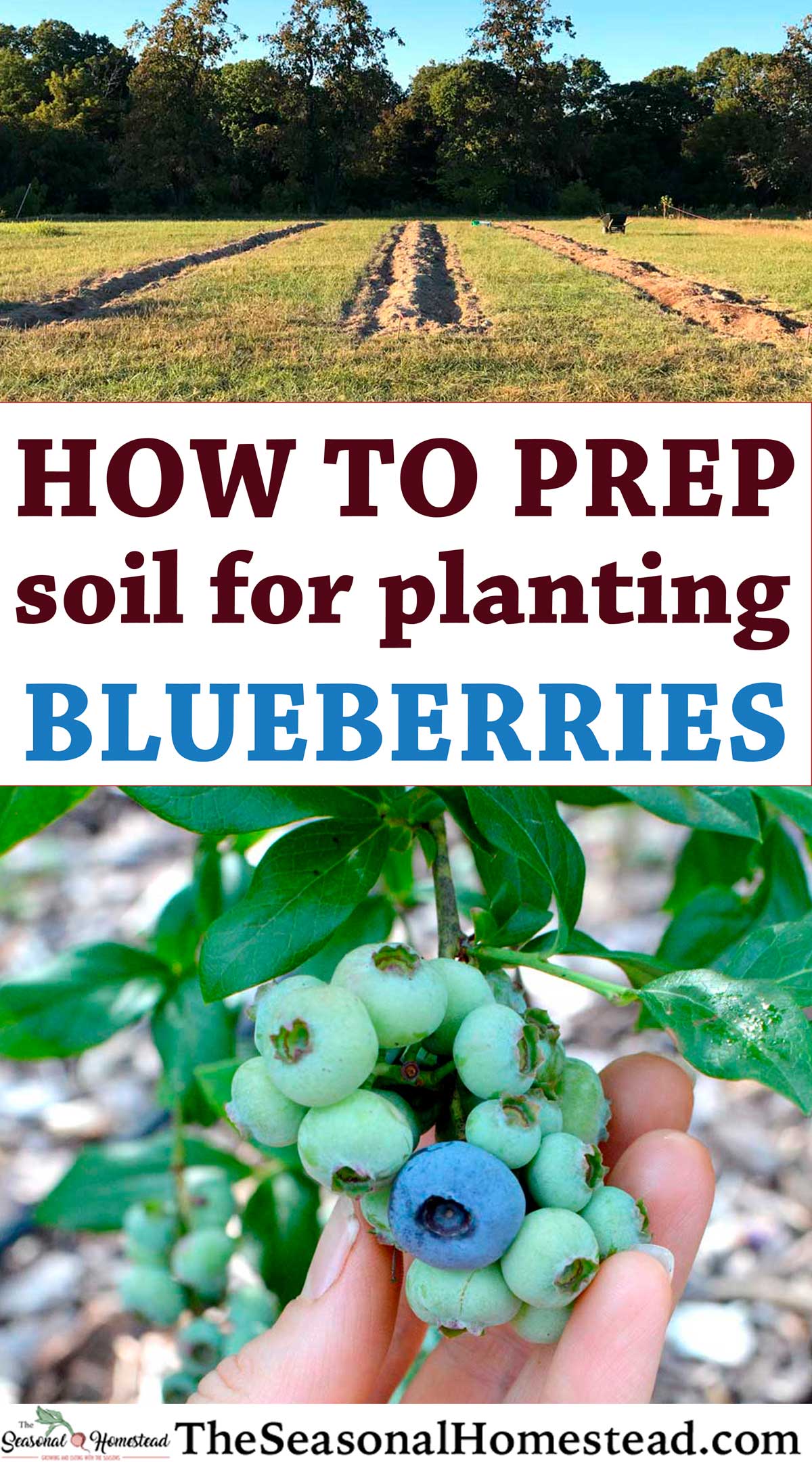
Ever bitten into a perfectly ripe, plump blueberry fresh off the bush? If you have, you know there’s nothing quite like it. Store-bought berries just can’t compare to that vibrant burst of flavor from your own garden. For a long time, I thought growing blueberries was some kind of arcane science, reserved only for expert gardeners with acres of land. Honestly, I couldn’t have been more wrong.
The truth is, with a little know-how and some dedicated care, you can absolutely grow your own delicious blueberries, even in a small space. I’m going to walk you through exactly how to grow blueberries successfully, sharing all the lessons I’ve picked up along the way. Get ready for a backyard brimming with those beautiful blue gems.
Key Takeaways
- Picking the perfect blueberry variety is crucial for your climate.
- Acidic soil is non-negotiable for healthy blueberry bushes.
- Learn to prune your bushes to keep them productive and fruitful.
- Protect your sweet bounty from hungry birds and critters.
Choosing the Right Blueberry Variety for Your Climate
The first step in learning how to grow blueberry is picking the right plant for your area. This isn’t a “one size fits all” situation, especially when it comes to blueberries. Different varieties thrive in different climates, mainly depending on their “chill hour” requirements. Chill hours are the number of hours below 45°F (7°C) that a plant needs to produce fruit.
You’ve got a few main types to consider. Highbush blueberries are the most common and are split into Northern Highbush and Southern Highbush. Then there are Rabbiteye blueberries, which are often more heat-tolerant. Finally, you have Lowbush varieties, which are smaller and hardier, often found growing wild.
- Northern Highbush: These need about 800-1000 chill hours. They’re great for colder climates, often growing quite tall. Varieties like ‘Bluecrop’ or ‘Duke’ are popular choices.
- Southern Highbush: If you live in a milder winter area (200-800 chill hours), these are your go-to. They’re more adaptable to warmer spots and have lower chill requirements. Think ‘Legacy’ or ‘Ozarkblue’.
- Rabbiteye: These are incredibly tough and perform well in the South, needing 100-600 chill hours. They’re also more drought-tolerant once established. ‘Tifblue’ and ‘Premier’ are classic examples. Many Rabbiteye varieties require cross-pollination, so you’ll want to plant at least two different types for the best fruit yield.
- Lowbush: These little guys are super hardy, perfect for northern regions with harsh winters. They stay small and spread, giving you lots of smaller, intensely flavorful berries.
Before you even think about buying plants, do a quick search for “blueberry varieties for [your state/region].” This will save you a lot of headache down the line, trust me. You want plants that are naturally suited to your environment.
Getting Your Soil Just Right: The Key to Blueberry Happiness
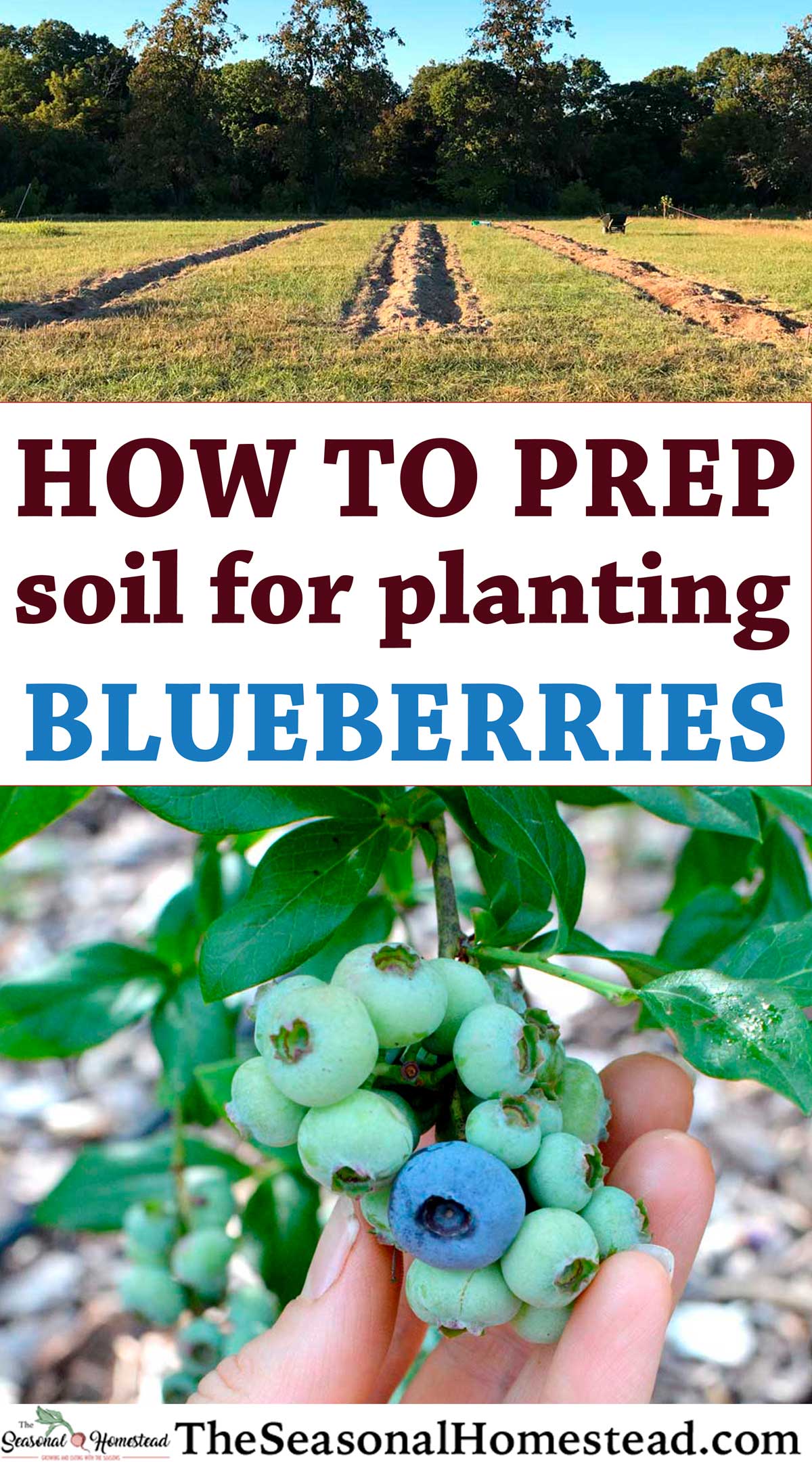
Alright, let’s be real: soil is where most first-time blueberry growers stumble. Blueberries are acid-loving plants, and I mean *really* acid-loving. They want a soil pH between 4.5 and 5.5. If your soil isn’t in this range, your plants simply won’t thrive, no matter how much you fuss over them.
The first time I tried to grow blueberries, I just stuck a plant in my regular garden soil, figuring ‘dirt is dirt,’ right? Boy, was I wrong. Those leaves turned yellow faster than you could say ‘acidic soil,’ and I barely got a handful of sad, tiny berries. That’s when I learned my lesson: test your soil before you do anything else. You can get a simple soil test kit from any garden center, or even send a sample to your local agricultural extension office for a more thorough report.
Pro Tip: Don’t skip the soil test. It’s the single most important step for growing healthy blueberries. It tells you exactly what you’re working with and what amendments you’ll need.
Once you know your pH, you can adjust it. If it’s too high (which is common for most garden soils), you’ll need to add sulfur. Elemental sulfur works slowly, so it’s best to apply it a few months before planting, allowing it time to do its job. Peat moss is also fantastic for lowering pH and improving soil structure, and it breaks down slowly, continuing to lower pH over time.
For immediate, though temporary, adjustments, you can use things like acidic fertilizers or even a bit of white vinegar diluted in water (be careful not to overdo this!). Some folks even grow blueberries in large containers with a custom soil mix, which makes pH management much easier. This is a great option if your native soil is stubbornly alkaline.
Planting Your Blueberry Bushes for a Strong Start
So, you’ve chosen your varieties and prepped your soil. Now comes the exciting part: putting those little plants in the ground! Proper planting sets the stage for years of sweet harvests. Aim for spring or fall planting, avoiding the heat of summer.
When you’re ready to plant, dig a hole that’s twice as wide as the root ball and just as deep. Blueberries have shallow root systems, so they don’t appreciate being buried too deep. Gently loosen the roots of your blueberry plant, especially if they look tightly wound. This helps them spread out into their new home.
Set the plant in the hole so the top of the root ball is level with or slightly above the surrounding soil. Then, backfill with your prepared acidic soil mix. Once you’ve got it settled, give it a good, deep drink of water. This helps to settle the soil around the roots and eliminates any air pockets. Consider adding a layer of pine bark or wood chip mulch around the base of your plants. This helps maintain moisture, keeps weeds down, and adds acidity as it breaks down. Just keep it a few inches away from the main stem to avoid rot.
If you’re planting multiple bushes, give them some space. For Highbush varieties, aim for 4-6 feet between plants in a row, with 8-10 feet between rows. Rabbiteyes can get even bigger, so give them a bit more room. Proper spacing allows for good air circulation, which is key for healthy plants.
Watering and Feeding: Keeping Your Blueberries Happy and Hydrated
Blueberries need consistent moisture, especially during their fruiting season. They have those shallow roots we talked about, which means they can dry out pretty quickly. Don’t let them get stressed! Water deeply and regularly, aiming for about 1-2 inches of water per week, either from rain or irrigation. Early morning is the best time to water, allowing the leaves to dry before nightfall, which helps prevent fungal issues.
Mulch is your friend here, acting like a blanket that keeps the soil cool and moist. I’ve found that a good 3-4 inch layer of pine bark mulch drastically cuts down on my watering efforts. It’s a lifesaver, especially during dry spells.
Now, let’s talk about feeding. Blueberries are pretty light feeders, but they do appreciate a boost. The trick, again, is to use an acidic fertilizer. Look for fertilizers specifically formulated for acid-loving plants like azaleas, rhododendrons, or, of course, blueberries. These will typically have ammonium sulfate or sulfur-coated urea as their nitrogen source.
I usually apply a balanced, acidic granular fertilizer in early spring as new growth begins, and then maybe a lighter application a month or two later. Avoid using fertilizers high in nitrates, as blueberries don’t like them. A common mistake is using a general garden fertilizer, which often has too much nitrogen and isn’t acidic enough. Remember, consistency in your watering and thoughtful feeding will pay off with plump, sweet berries.
Pruning for Better Berries and Bush Health
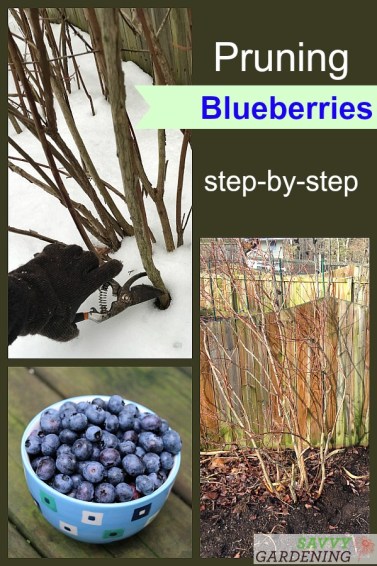
Pruning might seem intimidating, but it’s really important for growing healthy, productive blueberry bushes. You want to encourage new growth, which is where your best berries will form, and remove old, less productive wood. The general rule is to prune when the plants are dormant, typically in late winter or early spring before buds break.
For the first year or two after planting, it’s actually best to remove any flower buds that form. I know, it feels counterintuitive to snip off future fruit! But doing this allows the plant to put all its energy into establishing a strong root system and developing a robust framework. Think of it as an investment in future yields. You’ll thank yourself later when you’re picking baskets full of berries.
Once your bushes are established (around year 3-4), you’ll start a more regular pruning routine. Here’s what you’re looking for:
- Dead or Damaged Canes: First things first, cut out anything that’s clearly dead, broken, or diseased. Always prune back to healthy wood.
- Weak, Spindly Canes: Remove any thin, weak growth that looks like it won’t support much fruit. These just draw energy from the stronger parts of the plant.
- Crossing or Rubbing Branches: Cut out any branches that are rubbing against each other. This prevents wounds that could invite pests or diseases.
- Old, Less Productive Canes: Blueberry canes are most productive when they’re 2-6 years old. Canes older than that tend to produce smaller berries and fewer of them. Aim to remove 1-3 of the oldest, thickest canes right down to the ground each year. This encourages new, vigorous growth from the base.
- Overcrowded Center: Open up the center of the bush to allow for better air circulation and sunlight penetration. This helps with fruit ripening and reduces disease risk.
Don’t be afraid to make cuts. Blueberries are quite resilient. A well-pruned bush might look a bit sparse initially, but it will reward you with larger, sweeter berries and a healthier plant overall.
Protecting Your Harvest from Pests and Critters
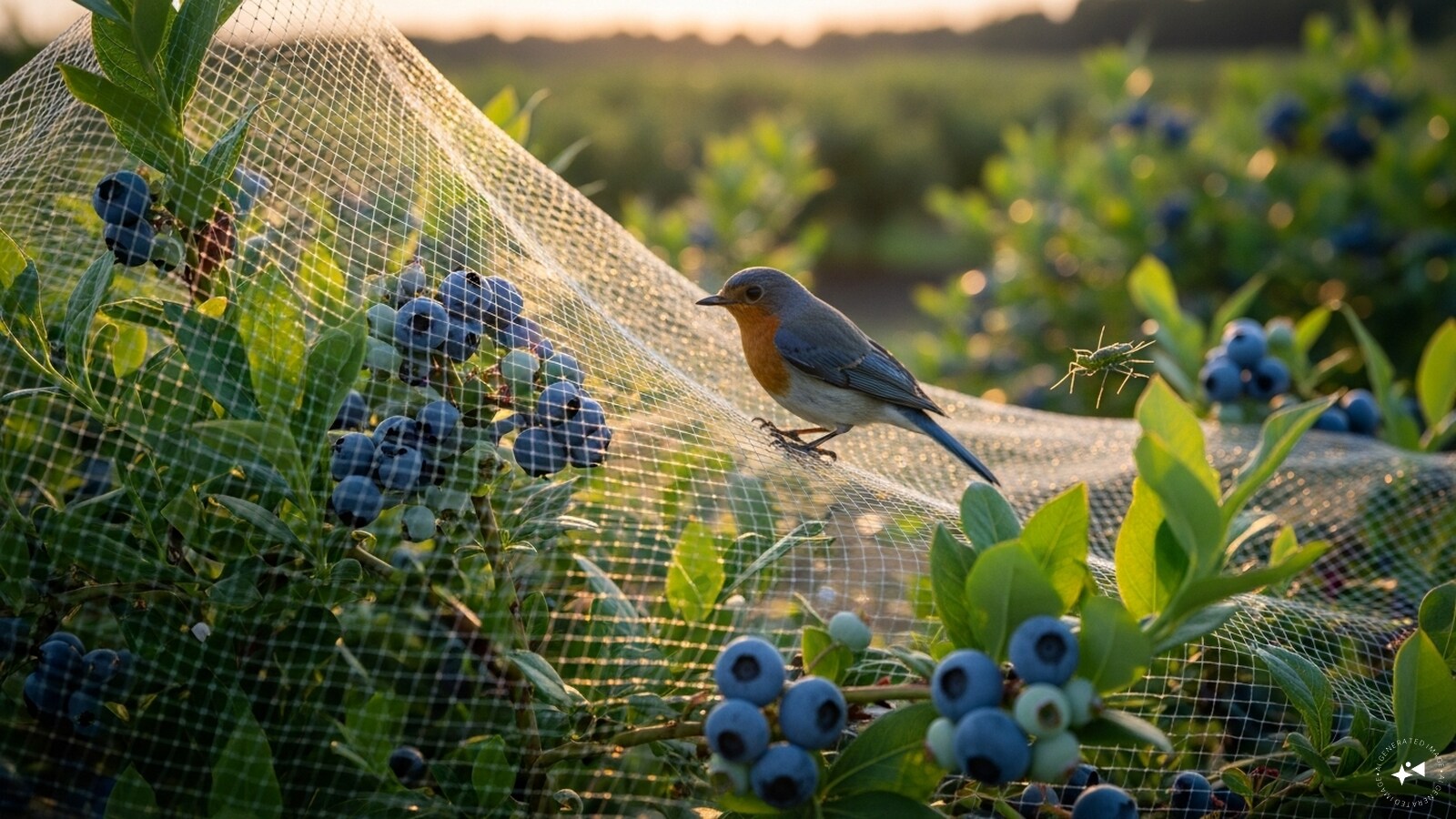
You’ve done all that work learning how to grow blueberry and caring for your bushes, and now the berries are ripening, looking absolutely delicious. Guess what? You’re not the only one who thinks so! Birds, deer, squirrels, and other critters have a keen eye (and stomach) for ripe blueberries.
Honestly, the biggest threat to my blueberry harvest has always been the birds. They seem to know the exact moment a berry turns perfectly blue, and they can strip a bush clean in what feels like minutes. I’ve walked out to find my bushes bare after just a few hours. It’s disheartening, to say the least.
The most effective method I’ve found to deter birds is netting. You’ll want to drape bird netting over your bushes as the berries start to change color. Make sure the netting is securely anchored to the ground or framework so birds can’t sneak underneath. Some folks build simple PVC pipe structures to support the netting, creating a little “cage” for their bushes. This prevents the netting from resting directly on the berries, which can make them harder to pick and less appealing.
For deer, taller fencing might be necessary, or perhaps a motion-activated sprinkler if they’re a consistent problem. Squirrels are trickier, as they can often climb or chew through things. For them, a combination of netting and maybe some strategically placed deterrents (like hot pepper spray on non-fruiting parts of the plant, or shiny, reflective objects) can help. Inspect your bushes regularly for signs of insect pests too, though blueberries are generally pretty hardy. Addressing issues early makes a huge difference.
Winter Care: Preparing Your Bushes for the Cold

Once the harvest is over and the leaves start to turn those beautiful fiery reds and oranges, it’s time to think about putting your blueberry bushes to bed for the winter. What you do now can impact next year’s crop and the overall health of your plants.
First off, if you haven’t already, make sure your plants are well-mulched. That 3-4 inch layer of pine bark or wood chips around the base isn’t just for moisture retention; it also acts as an insulator, protecting those shallow roots from extreme cold. This is especially critical in colder zones where ground freezes deeply.
In very cold regions, or if you’re growing in containers, you might need extra protection. Container-grown blueberries are particularly vulnerable to cold because their roots aren’t insulated by the surrounding earth. You can move smaller containers into an unheated garage or shed, or group larger containers together and wrap them in burlap. For in-ground plants in exposed areas, a burlap wrap around the bush can help shield it from harsh winds and freezing temperatures.
Make sure your plants go into winter well-hydrated. If your area experiences a dry fall, give them a good, deep watering before the ground freezes solid. This helps them stay strong through the dormant period. Don’t fertilize in the fall; new growth at this time would be susceptible to winter damage. You want the plant to naturally slow down and prepare for dormancy.
Harvesting and Enjoying Your Crop
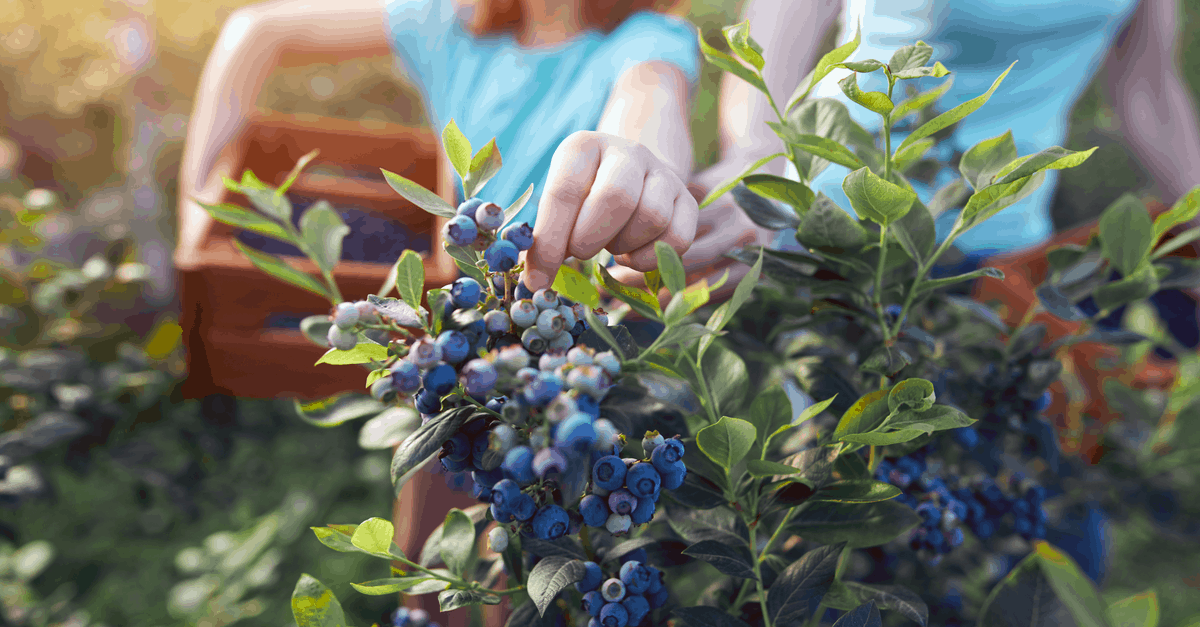
This is the moment you’ve been waiting for! After all your hard work figuring out how to grow blueberry, nurturing your plants, and fending off hungry birds, it’s time to pick and enjoy those glorious berries. Blueberries don’t all ripen at once, so you’ll be harvesting over several weeks, which is actually pretty neat.
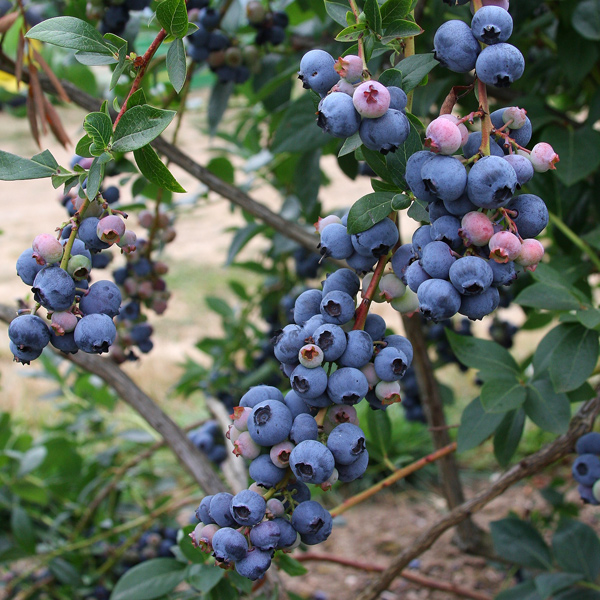
How do you know when a blueberry is ripe? Simple: it should be completely blue, without any hint of red or green near the stem. A ripe blueberry will also practically fall off the bush with a gentle tug. If you have to pull hard, it’s probably not quite ready, and it won’t be as sweet. Let it hang on a little longer. The longer a blueberry stays on the bush after turning blue, the sweeter it gets.
I remember the first time I had a truly abundant harvest. The sheer volume of berries was almost overwhelming – in the best way! I was out there every morning, basket in hand, picking until my fingers were stained purple. The taste of those sun-warmed berries, a mix of sweet and tart, still makes my mouth water just thinking about it. You’ll find yourself reaching for them straight from the bush, popping them into your mouth one after another.
Once picked, fresh blueberries will keep in the refrigerator for about a week. Don’t wash them until you’re ready to eat them, as moisture can make them spoil faster. If you have an abundance (and I hope you do!), blueberries freeze beautifully. Just spread them in a single layer on a baking sheet, freeze until solid, then transfer them to freezer bags. You’ll have that taste of summer all winter long.
So, there you have it. Growing blueberries isn’t nearly as hard as it might seem. It takes a bit of planning and consistent care, especially when it comes to soil, but the rewards are truly exceptional. Imagine stepping out into your own garden and plucking handfuls of those sweet, healthy berries. It’s an incredible feeling.
Are you ready to dig in and start your own blueberry patch?




Leave a Reply