


Well, hello there, fellow beverage enthusiast! Let’s be real, you’ve probably heard a thing or two about green tea. Maybe your grandma swears by it, or your super-fit friend sips it like it’s the elixir of youth. But what’s the actual deal with this leafy concoction? Is it really as magical as everyone says, or is it just fancy grass water?
Honestly, I’m here to tell you that green tea is pretty darn special, and not just because it tastes great (when brewed right, that is – we’ll get to that). It’s a powerhouse of good stuff, packed with compounds that can gently nudge you towards feeling a bit better, sharper, and maybe even a tad calmer. So, grab your favorite mug, settle in, and let’s spill the tea on, well, green tea!
Key Takeaways
Green Tea: More Than Just a Drink

It’s pretty wild to think about, isn’t it? What started as a chance discovery became a significant part of cultures, ceremonies, and daily routines. From the elaborate Japanese tea ceremony to a quick cup brewed in your kitchen, green tea has carved out a unique place for itself.
I mean, if a drink has stuck around for thousands of years, there has to be something to it beyond just hydration, right? It’s been praised by monks for its calming clarity and by warriors for its sustained alertness. It really does make you wonder about its subtle yet profound effects.
The Real Deal: What Makes Green Tea Tick?

When you take a sip of good green tea, you’re getting a dose of things like catechins, particularly a superhero called EGCG. That stands for epigallocatechin gallate, if you’re feeling fancy. These are powerful antioxidants, which are basically tiny bodyguards that help protect your cells from damage. Think of them as cleaning up the mess that daily life throws at your body.
But that’s not all! Green tea also contains something rather special: L-theanine. This amino acid is where a lot of the magic happens, separating green tea from your typical coffee buzz. L-theanine works with the small amount of caffeine in green tea to give you a focused, calm alertness, rather than that jittery, heart-pounding sensation you might get from other caffeinated drinks. It’s like a mental high-five without the subsequent crash.
It’s genuinely fascinating how these compounds work together. You get a gentle pick-me-up from the caffeine, but the L-theanine comes in like a smooth jazz soundtrack, keeping everything mellow and clear. That’s why many people report feeling focused and productive after green tea, not just wired.
Green Tea vs. Coffee: The Great Energy Debate

Coffee, bless its strong, bold heart, delivers a quick and powerful caffeine punch. For some, it’s exactly what they need to kickstart the day. For others, it’s a fast train to anxiety station, complete with sweaty palms and a racing mind. That’s where green tea steps in, offering a more serene path to alertness.
Thanks to that lovely L-theanine we just talked about, green tea provides a sustained, gentle stream of energy. You feel awake, focused, and ready to tackle tasks, but without the sudden peak and valley of coffee. It’s like the difference between a sudden burst of fireworks and a steadily burning candle.
I’ve had days where I reached for coffee out of habit, only to regret it an hour later, feeling edgy and distracted. Switching to green tea on those particular mornings has been a noticeable shift. It allows me to stay on task without feeling like I’ve got ants in my pants. Plus, I don’t get that classic caffeine headache if I miss a cup.
Brewing Your Best Cup of Green Tea

The first time I tried to brew fancy Japanese sencha, I treated it like black tea, pouring boiling water over it and letting it steep for five minutes. The result? A bitter, astringent mess that made me question why anyone liked green tea. Turns out, I was committing a cardinal sin of tea brewing.
The secret? Temperature and time. Green tea is delicate. Boiling water will scorch the leaves and release too many of those bitter compounds. You want water that’s hot, but not bubbling furiously. Think somewhere between 160-180°F (70-82°C). If you don’t have a temperature-controlled kettle, just let your boiled water sit for a minute or two after it comes off the boil.
Pro Tip: Never use boiling water for green tea. Let it cool for a minute or two before pouring, and don’t oversteep! A shorter steep time (1-3 minutes) generally yields a smoother, less bitter cup.
And don’t be afraid to experiment with steeping times. Some green teas, especially higher quality ones, can be re-steeped multiple times, offering slightly different flavor profiles with each round. It’s a wonderful way to get the most out of your leaves and enjoy a different experience each time.
Beyond the Brew: Green Tea Smoothie Recipes, Cold Brew, and More

For cold brew, it’s ridiculously simple and yields a wonderfully smooth, less bitter result. Just put your green tea leaves (loose leaf works best here) into a pitcher, cover with cold filtered water, and pop it in the fridge overnight. The slow extraction pulls out all the good flavors without the bitterness that hot water can sometimes bring. It’s a refreshing, crisp drink perfect for a sunny afternoon.
If you’re looking for a breakfast power-up, a green tea smoothie is a fantastic choice. It’s a quick way to get those antioxidants and L-theanine, along with a host of other nutrients. Here are a couple of ideas to get you started:
- The Energizer: Brewed and cooled green tea, a banana, a handful of spinach, a scoop of protein powder, and a dash of ginger. Blend until creamy.
- Berry Bliss: Brewed and cooled green tea, mixed berries (frozen work great!), a dollop of Greek yogurt, and a drizzle of honey.
- Tropical Treat: Brewed and cooled green tea, pineapple chunks, coconut milk, and a squeeze of lime. Tastes like a vacation!
See? Versatility! You can truly integrate green tea into so many parts of your day, beyond just that traditional warm cup. Don’t be shy about playing around with ingredients and finding your own favorite combinations.
Does Green Tea Keep You Up at Night? Timing is Everything
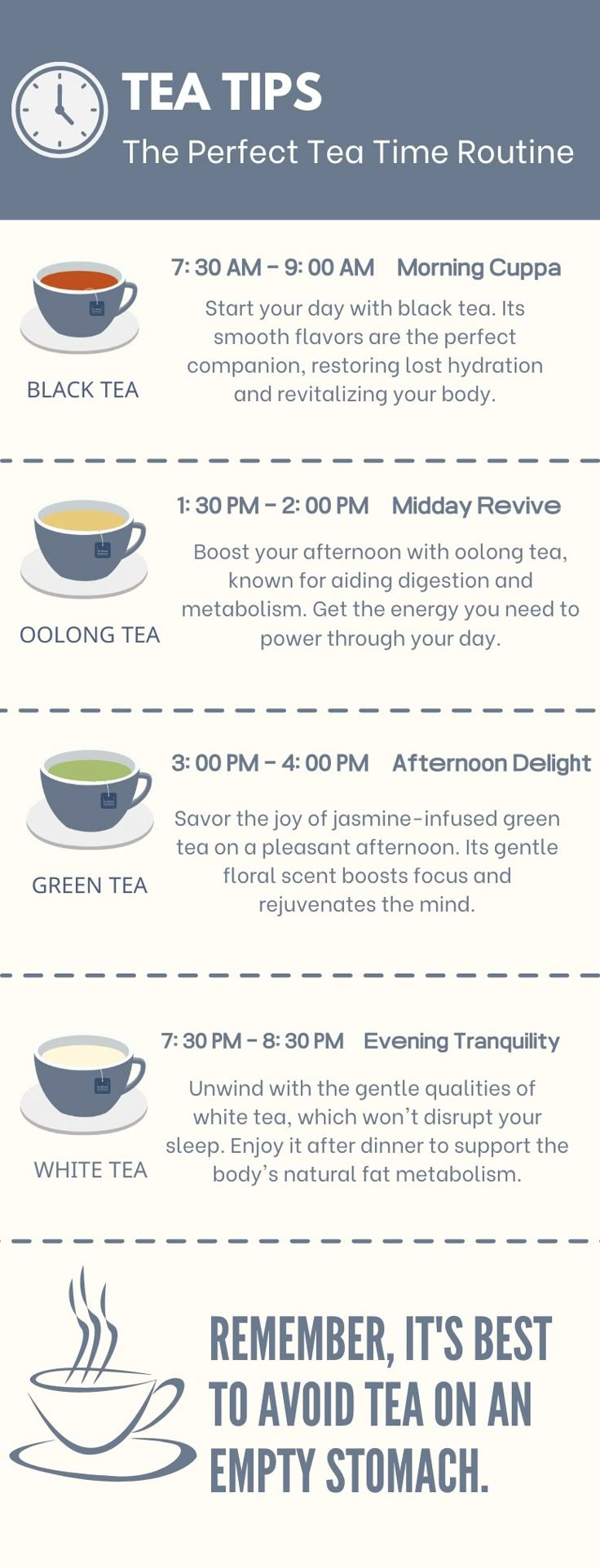
Here’s the thing: that L-theanine helps to temper the caffeine’s effects, often preventing the jitters and crash. Many people find they can drink green tea later in the day than coffee without sleep issues. However, if you’re particularly sensitive, it’s still smart to be mindful of your timing.
For me, I try to cut off my green tea intake by late afternoon, typically around 4 PM. That gives my body plenty of time to process the caffeine before I’m trying to wind down for bed. But you know your body best. Pay attention to how you feel. If a cup after dinner leaves you staring at the ceiling, then adjust your schedule.
Some folks can sip green tea right up until bedtime with no problems, enjoying its calming yet focused feeling. Others might find it’s still enough to disrupt their sleep. It really is a matter of personal biology and listening to your own system.
Pimp Your Pour: Adding Lemon and Other Goodies

The vitamin C in lemon juice can help your body absorb those awesome antioxidants, especially EGCG, more effectively. So, a squeeze of lemon isn’t just brightening the flavor; it’s making your green tea even more powerful. Plus, that bright, zesty note really wakes up the tea’s natural flavors.
But why stop at lemon? This is your tea, after all! You can experiment with so many other additions:
- A slice of fresh ginger for a bit of zing and warmth.
- A sprig of mint for a refreshing, cooling sensation.
- A drizzle of honey or a tiny splash of maple syrup if you like a touch of sweetness.
- A cinnamon stick for a cozy, aromatic twist, especially nice in cooler weather.
Don’t be afraid to mix things up! The beauty of green tea is its versatility. It can be enjoyed in its pure form or serve as a delicious base for other flavors. It’s all about finding what makes your taste buds sing.
Honestly, playing around with these combinations can turn a routine cup into a small moment of joy. It’s like adding a new accessory to your favorite outfit – it just makes everything feel a little more *you*.
So, whether you’re a seasoned green tea drinker or just dipping your toes into the world of this wonderful brew, there’s always something new to learn and enjoy. From the ancient tales to the modern science, from hot steamy cups to icy cold brews, green tea certainly holds its own.
What’s your favorite way to enjoy green tea, or what’s one thing you’re excited to try after reading this?




Leave a Reply