
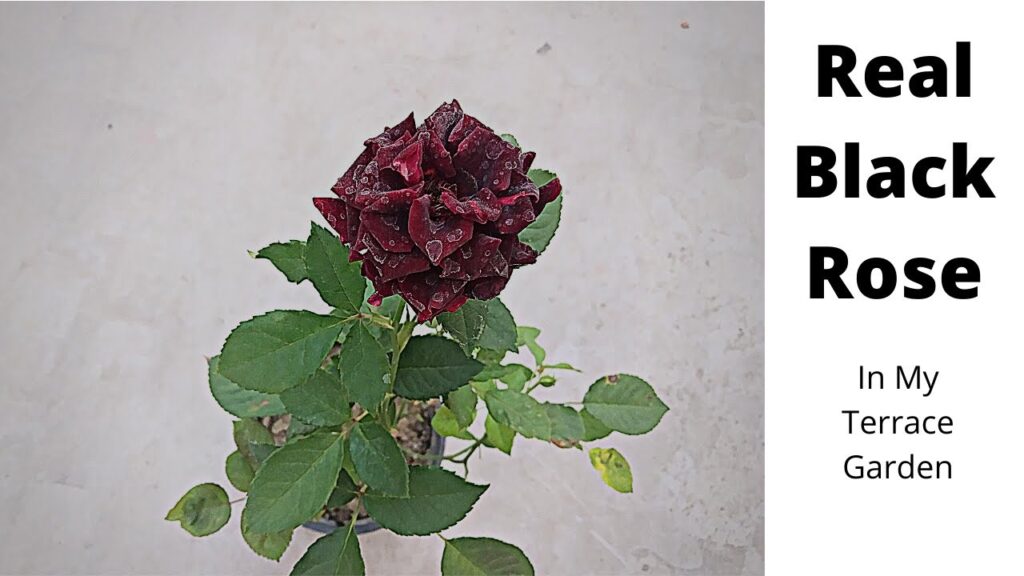
Let’s be real, there’s something undeniably captivating about a truly dark rose. That deep, velvety hue, almost black, brings a sense of mystery and drama to any garden. If you’ve ever gazed at pictures of these beauties and wondered, “Can I actually grow black roses myself?”, I’m here to tell you, yes, you absolutely can! It just takes a little know-how and the right approach.
Honestly, when I first started gardening, the idea of a black rose felt like something out of a fairy tale. I pictured some magical, elusive flower. But the truth is, while nature doesn’t give us a truly pitch-black rose, plant breeders have created some incredible deep-red and dark-purple varieties that appear stunningly black in the right light. And growing them? It’s a rewarding experience that’s well within your reach.
In this guide, we’re going to walk through everything you need to know, from picking the perfect cultivar to keeping it happy and healthy, ensuring those dark petals unfold beautifully in your own backyard. You’ll soon see that adding these striking flowers to your collection isn’t nearly as difficult as you might think. We’re talking about giving your garden a touch of gothic elegance or just a unique conversation piece, and I’m going to share all my best tips and a few lessons I learned the hard way.
Key Takeaways
Understanding “Black Roses”: What Are They, Really?
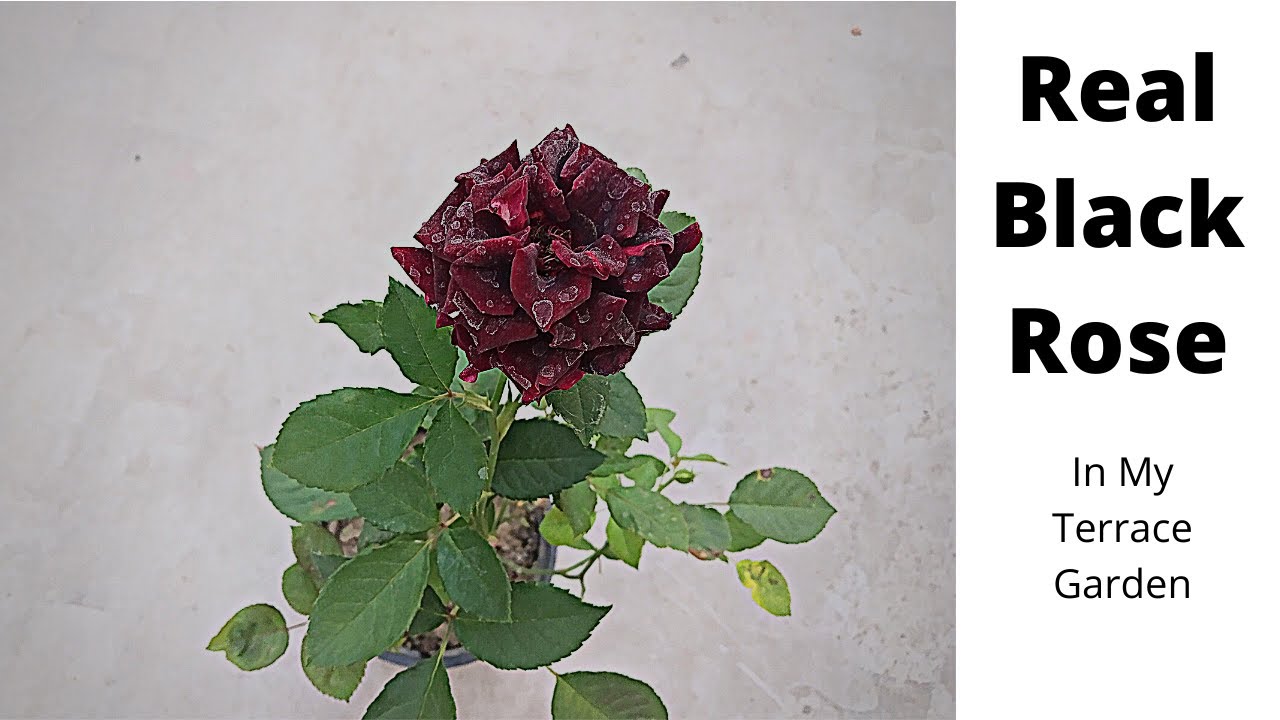
First things first, let’s clear up a common misconception: a truly, genetically black rose doesn’t exist in nature. What we refer to as “black roses” are actually varieties with extremely deep shades of red, purple, or even burgundy that, under certain lighting conditions, appear nearly black. Think of it like a very dark velvet fabric; it looks black until a bright light hits it just right, revealing its true, rich color. This depth of color is what gives them their mysterious appeal.
These dark pigments are concentrated in the petals, and environmental factors can really play a part in how intense that color becomes. For instance, cooler temperatures can sometimes deepen the coloration in some rose varieties. The soil pH and nutrient content can also subtly influence the richness of the bloom. So, when you’re admiring a “black rose,” you’re appreciating a masterpiece of plant breeding and a bit of environmental magic.
Pro Tip: To truly appreciate the “blackness” of your roses, observe them in indirect sunlight or early morning/late evening light. Direct, harsh midday sun can often wash out their deep tones, making them appear more red or purple.
Picking the Right “Black Rose” Variety for Your Garden
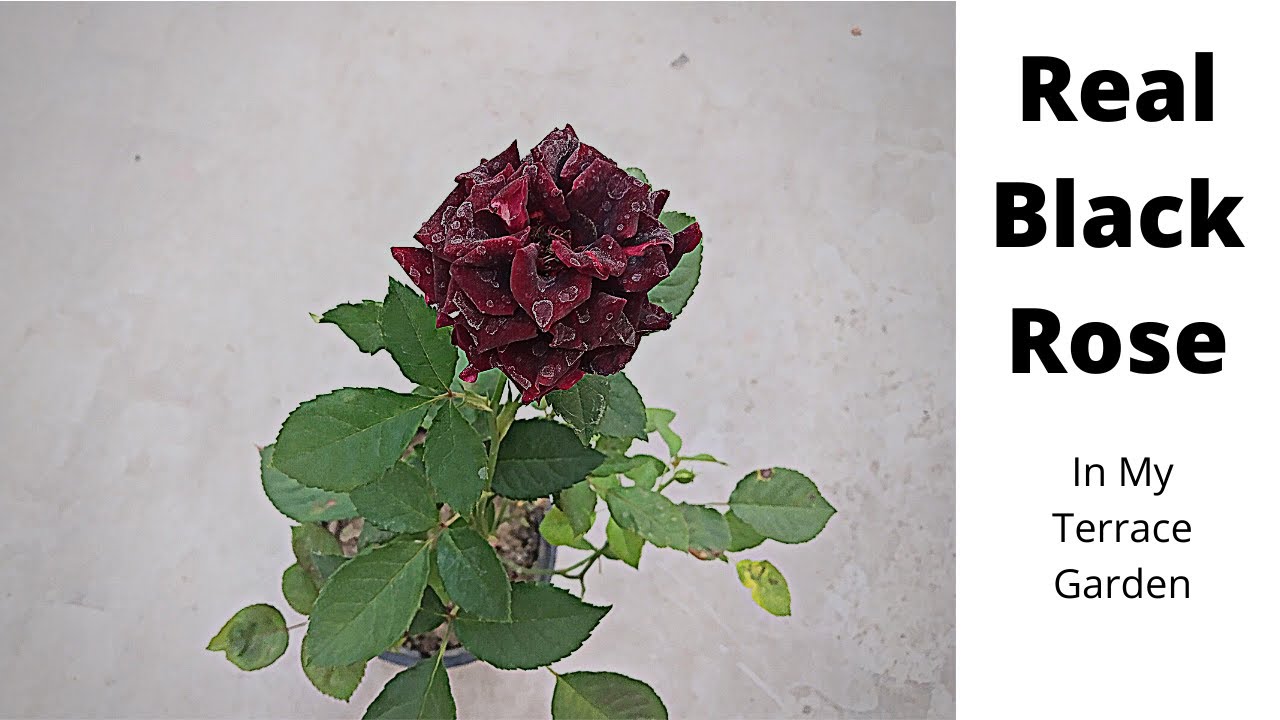
Okay, so now that we know what we’re aiming for, how do you choose the right plant? This is a crucial step if you want to grow black roses successfully. You’ll want to look for specific rose varieties known for their extremely dark hues. Here are a few popular options that consistently deliver that dramatic look:
- ‘Black Baccara’: This is probably the most famous “black” rose. It’s a hybrid tea rose with velvety, deep dark red petals that often look black in shadow. It’s fantastic for cutting gardens.
- ‘Black Magic’: Another incredibly popular hybrid tea rose. ‘Black Magic’ boasts a deep, almost black-red color with a subtle fragrance. It’s a robust grower, often used by florists.
- ‘Midnight Blue’: If you’re looking for something with a more purplish-black tone, this floribunda is a stunner. Its deep purple-burgundy blooms are truly unique.
- ‘Burgundy Iceberg’: While ‘Iceberg’ is known for white, ‘Burgundy Iceberg’ offers a beautiful, deep plum-red color that darkens significantly in cooler weather. It’s a prolific bloomer.
- ‘Hot Chocolate’: A grandiflora that often has a smoky, deep russet-red color that can appear very dark, especially on overcast days. It’s unusual and eye-catching.
When you’re shopping, always check the hardiness zone information for any variety you’re considering. You want to pick something that’s well-suited to your local climate to give it the best chance. Don’t be afraid to ask nursery staff for their local favorites that fit the “dark rose” bill.
The Perfect Spot: Sun, Soil, and Shelter for Dark Blooms
Getting the location right is paramount for any rose, and “black roses” are no exception. They might look mysterious, but their needs are pretty straightforward. Think of it as creating a luxury spa retreat for your plants.
Sunlight: Roses, including the dark ones, are sun worshipers. They need at least six hours of direct sunlight every day to really thrive and produce those amazing blooms. An ideal spot would get morning sun and some protection from the intense, scorching afternoon sun, which can sometimes fade the darker pigments of the petals or even scorch the delicate edges. However, too much shade will make the plants leggy and reduce flowering, so it’s a balance.
Soil: This is where a lot of gardening success stories begin. Roses prefer rich, well-draining soil. If your garden has heavy clay or very sandy soil, you’ll need to amend it. I always recommend adding plenty of organic matter like compost, well-rotted manure, or peat moss. This improves drainage in clay and helps sandy soil retain moisture and nutrients. Aim for a slightly acidic to neutral pH, ideally between 6.0 and 7.0. You can get a soil test kit from your local garden center to check your current pH.
Shelter: While they love sun, roses don’t particularly enjoy being battered by strong winds. A location that offers some shelter from prevailing winds—perhaps near a fence, wall, or a hedge—can prevent damage to delicate stems and blooms. This also helps reduce moisture loss from the leaves, which is always a plus.
Planting Your Black Beauty: A Step-by-Step Guide
So, you’ve chosen your “black rose” and found its dream home. Now it’s time to get it in the ground. Proper planting makes a huge difference in how well your rose establishes and grows in the long term. Here’s how I approach it:
1. Prepare the Hole: Dig a hole that’s twice as wide as the rose’s root ball and just as deep. If you’re planting a bare-root rose, create a small mound of soil in the center of the hole.
2. Hydrate the Roots: Before planting, soak the roots of your bare-root rose in a bucket of water for a few hours. For potted roses, water them thoroughly in their container first.
3. Positioning: For bare-root roses, spread the roots over the soil mound. For potted roses, gently remove the plant from its container. The graft union (the knobby part where the rose was budded onto rootstock) should be at or slightly above soil level in warmer climates, or about 2-3 inches below soil level in colder regions to protect it from freezing.
4. Backfill and Water: Carefully backfill the hole with your amended soil, gently firming it around the roots to remove air pockets. Once the hole is filled, give it a really good, deep watering. This helps settle the soil around the roots.
5. Mulch: Apply a 2-3 inch layer of organic mulch (like wood chips, shredded bark, or compost) around the base of the plant. Keep it a few inches away from the stem itself to prevent rot. Mulch helps retain soil moisture, regulate soil temperature, and suppress weeds. It’s a game-changer for plant health.
Watering Wisely: Keeping Your Dark Roses Hydrated
Water is life, especially for thirsty roses. But there’s a trick to it: it’s not just about how much, but how you water. You want to encourage deep root growth, which makes your plant more resilient.
Consistency is Key: Aim to water deeply and regularly, especially during dry spells or hot weather. Generally, established roses need about 1 inch of water per week, either from rain or irrigation. Younger plants might need more frequent watering as they establish their root systems.
Deep Soaks, Not Sprinkles: Avoid light, frequent sprinkles. These only wet the surface and encourage shallow root growth, making your rose more susceptible to drought. Instead, water slowly at the base of the plant, letting the water soak down deep into the soil. A soaker hose or drip irrigation system works wonders here.
Best Time to Water: The best time to water is in the early morning. This allows the foliage to dry out before nightfall, which helps prevent fungal diseases like black spot. Watering in the heat of the day can lead to a lot of evaporation, meaning less water actually reaches the roots.
Feeding Your Roses: Nutrients for Deep Color
To get those truly intense, dark blooms, your roses need the right fuel. A hungry rose is a sad rose, and a sad rose won’t give you its best color. This is all about giving them what they need, when they need it.
Start Strong: When you first plant your rose, especially if you’ve amended the soil with compost, it’ll have a good start. However, once it begins actively growing, it’s time to think about regular feeding.
Fertilizer Choices: Many gardeners use specialized rose fertilizers, which are usually balanced or slightly higher in phosphorus and potassium to promote flowering. You can also use a general-purpose granular fertilizer or organic options like fish emulsion or compost tea. I tend to lean towards slow-release granular fertilizers mixed with a good layer of compost.
Here’s a basic schedule:
- Spring: After the first flush of new growth, typically when the leaves are fully expanded.
- Summer: After the first major bloom cycle, to encourage repeat flowering.
- Late Summer/Early Fall: A final, lighter feeding a couple of months before your first expected frost, but avoid anything too high in nitrogen at this point as it can encourage tender new growth that’s vulnerable to cold.
Always follow the instructions on your chosen fertilizer packaging to avoid overfeeding, which can burn the roots. Remember, good soil health is the foundation, so don’t skip the organic matter.
Pruning for Power: Shaping and Encouraging Blooms
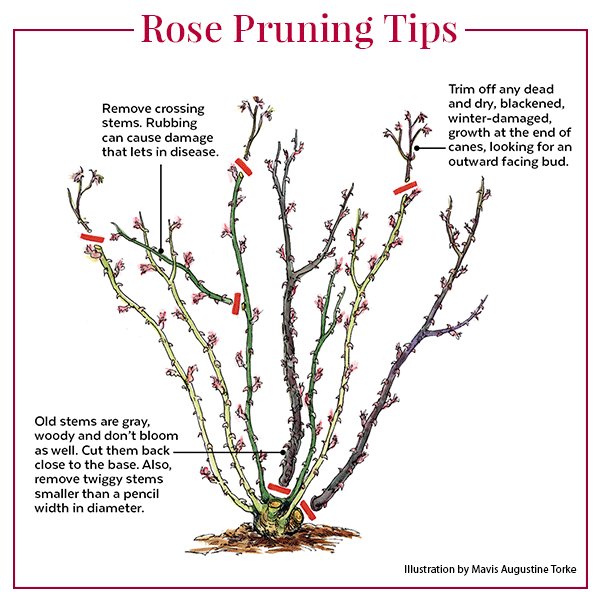
Pruning might seem intimidating, but it’s one of the most important things you can do for your rose’s health and flowering potential. Think of it as a haircut for your plant, encouraging new, strong growth and lots of those gorgeous dark blooms.
Why Prune? We prune for a few key reasons: to remove dead, damaged, or diseased wood; to shape the plant and improve air circulation; and to stimulate new growth and more flowers. When you cut back old stems, the plant redirects its energy into producing fresh, vigorous canes that are more likely to bear stunning blossoms.
When to Prune: The main pruning event for most roses happens in late winter or early spring, just as the buds begin to swell but before new leaves emerge. You’re looking for that sweet spot after the last hard frost but before active growth really kicks in.
How to Prune (The Basics):
- Start by removing any dead, weak, or crossing branches. You want to open up the center of the plant.
- Cut back about one-third to one-half of the previous season’s growth, making your cuts at a 45-degree angle about ¼ inch above an outward-facing bud. This directs new growth away from the center of the plant.
- Aim to leave 3-5 strong, healthy canes.
Throughout the growing season, practice “deadheading,” which is simply removing spent flowers. This signals to the plant that it should produce more blooms instead of putting energy into seed production. Just snip off the faded flower head down to the first set of five-leaflet leaves.
Common Pests and Diseases: Protecting Your Dark-Hued Treasures
Even the most dramatic “black roses” aren’t immune to common garden nuisances. But don’t fret! A little vigilance goes a long way in keeping your plants healthy. When you grow black roses, you’ll want to watch out for a few usual suspects.
Pests:
- Aphids: These tiny green or black insects love to cluster on new growth and flower buds, sucking out sap. A strong spray of water can often dislodge them, or you can use insecticidal soap.
- Spider Mites: You might notice fine webbing and speckled, yellowing leaves, especially during hot, dry weather. Again, a good hose-down of the undersides of leaves can help.
- Rose Slugs (Sawfly Larvae): These tiny green worms chew holes in leaves, often leaving a skeletonized appearance. Hand-picking them off is effective if the infestation isn’t too severe.
Diseases:
- Black Spot: This is probably the most common fungal disease for roses. It causes black spots with yellow halos on leaves, which then turn yellow and drop. Good air circulation, watering the soil not the leaves, and resistant varieties can help. Remove and dispose of infected leaves.
- Powdery Mildew: White, powdery patches on leaves, stems, and buds. It often appears in humid conditions with poor air circulation.
The key here is early detection. Regularly inspect your roses. The moment you see something off, act on it. A healthy, well-fed, and properly watered rose is much more resistant to problems than a stressed one.
Winter Care: Preparing Your Black Roses for the Cold
If you live in a colder climate, winterizing your roses is a critical step to ensure they return strong and healthy in the spring. You don’t want all your hard work to grow black roses to be undone by a harsh freeze.
Stop Feeding: A few months before your first expected hard frost, stop fertilizing. This prevents new, tender growth that would be easily damaged by cold. You want the plant to start slowing down and hardening off.
Clean Up: In late fall, once the leaves start to drop, clean up any fallen leaves or debris around the base of your rose. This removes potential hiding spots for pests and fungal spores that could overwinter.
Mounding and Protection: This is your main defense against cold. Once the ground has frozen lightly, mound up soil, compost, or shredded leaves around the base of the rose, creating a mound about 10-12 inches high. This protects the graft union and lower canes. In very cold zones, some gardeners also use rose cones or wrap the entire plant in burlap, but ensure there’s some air circulation.
Don’t Prune Heavily: Resist the urge to do your major pruning now. Just trim back any very long canes that might whip around in the wind, but save the heavy shaping for spring. Those longer canes can help protect the plant over winter.
My Experience: Learning from My Own Black Rose Journey
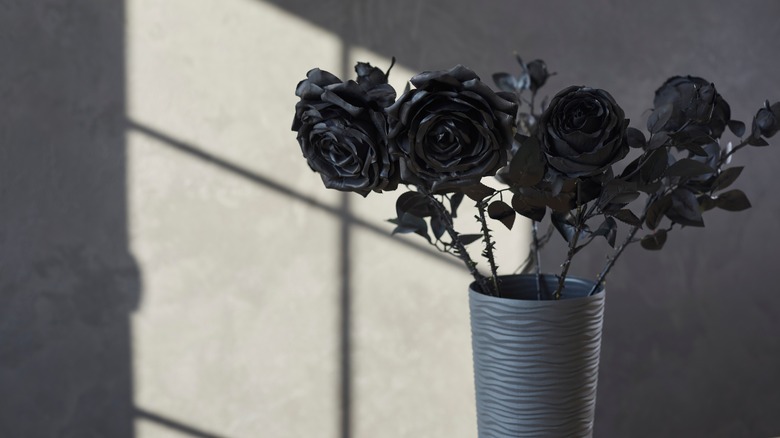
The first time I tried to grow black roses, I picked up a ‘Black Baccara’ from a local nursery. I was so excited! I planted it in what I thought was a good spot, but it turned out to be too close to a large oak tree, meaning it got afternoon shade instead of the bright, consistent sun it craved. The blooms were sparse, and the color never quite reached that deep, dramatic hue I was hoping for. Honestly, it looked more like a dull, brownish red.
I learned the hard way that “full sun” really means full sun for these beauties. The next spring, I carefully moved it to a spot with at least seven hours of direct morning sun. The soil there was much richer, and I made sure to add extra compost. What a difference! The subsequent blooms were so much more vibrant, a deep, velvety burgundy that truly looked black in the soft evening light. It just goes to show, sometimes you’ve got to listen to your plants and be willing to adjust your initial plans.
That experience really cemented for me that while the rose itself is a specific variety, its environment plays an enormous role in manifesting its full splendor. It’s not just about what you plant, but where and how you care for it that unlocks its true potential.
Dispelling Myths: What Black Roses Aren’t

Just as we talked about what “black roses” truly are, it’s also worth touching on what they are not. There are a few myths floating around that can sometimes confuse new growers, and I think it’s important to set the record straight.
They Aren’t Genetically Modified for Blackness: You won’t find a rose that has been genetically engineered to be pitch black. The deep colors come from natural pigments, intensified through selective breeding over generations. Plant breeders work with existing color palettes to push the boundaries of darkness.
They Don’t Require Special “Blackening” Chemicals: Some people mistakenly believe they need to add special chemicals or dyes to the soil to get black flowers. That’s simply not true for living roses. The color is inherent in the plant’s genetics. While some florists might dye cut roses black, that’s a completely different scenario from growing them naturally in your garden.
They Aren’t Necessarily Harder to Grow: While some specific varieties might have particular needs, “black roses” as a group aren’t inherently more difficult to grow than any other type of hybrid tea or floribunda rose. They require the same basic care: plenty of sun, good soil, consistent watering, and proper feeding and pruning. Don’t let the mystique of their color make you think they’re beyond your gardening capabilities.
So, there you have it! Growing black roses might not involve magic, but it certainly yields magical results. With a little care and attention, you can absolutely bring these dramatic, dark blooms into your garden. They’re sure to turn heads and add a truly unique touch to your outdoor space.
What’s your favorite dark rose variety, or what deep-hued bloom are you most excited to try growing this season?



Leave a Reply