
There’s truly nothing quite like biting into a fresh strawberry, still warm from the sun. That burst of sweetness, maybe a little tartness, and that distinct aroma – it’s a tiny slice of summer perfection. For years, I just assumed strawberries were something you bought at the store, never quite grasping the pure joy (and surprisingly simple process!) of growing them yourself. But trust me, once you’ve tasted a homegrown berry, you’ll never look back.
Let’s be real, you’re here because you want that experience for yourself. You want to know how to grow strawberries that are bursting with flavor, not just any old berry. And honestly, it’s entirely doable, even if your thumb is currently more beige than green. I’m going to walk you through everything I’ve learned, from those initial planting days to protecting your precious fruit from hungry critters.
Key Takeaways
Choosing the Right Strawberry Plants for Your Home Garden
When is the Best Time to Plant Strawberry Runners?
If you’re in a mild climate, sometimes a fall planting can work, but spring is usually more reliable for most gardeners. You want to avoid planting when temperatures are extreme, either too hot or too cold, as this stresses the young plants and can hinder their growth. Look for a period where temperatures are consistently mild.
Prepping Your Soil and Garden Beds for Strawberry Success
The first time I tried growing strawberries, I just plopped them into whatever dirt I had. Big mistake. The soil was dense, and the plants struggled, producing tiny, sad berries. I learned quickly that a little soil prep goes a long way. Now, I always spend time getting my soil right.
You might also consider raised garden beds. They’re amazing for strawberries because they offer excellent drainage, warm up faster in spring, and give you more control over your soil composition. Plus, they make weeding and harvesting a bit easier on your back! Whether in-ground or in a raised bed, make sure your chosen spot gets at least 6-8 hours of full sun daily. This is paramount for sweet, juicy fruit.
Pro Tip: Before planting, send a soil sample to your local extension office. This provides precise data on your soil’s pH and nutrient levels, guiding you on exactly what amendments to add for optimal strawberry growth. It takes the guesswork out of soil prep!
Planting Your Strawberry Plants for Optimal Growth
Spacing is another important consideration. For June-bearing varieties, I typically space them about 12-18 inches apart in rows that are 3-4 feet apart. This gives them room to send out runners. Everbearing and day-neutral types usually need less space, maybe 8-12 inches apart, as they produce fewer runners. If you’re using a matted row system for June-bearing, you’ll allow the runners to fill in the rows, creating a thick patch. For everbearing or day-neutral, you might opt for a hill system, removing runners to focus the plant’s energy on fruit production.
Watering and Feeding for Berry Success
Now, about feeding your plants. You want to know `how to fertilize strawberry plants naturally`, right? Good news: compost is your best friend. A generous layer of well-rotted compost applied around your plants in spring and again after the main harvest provides a slow-release source of nutrients. You can also use organic granular fertilizers specifically designed for fruiting plants. Avoid high-nitrogen fertilizers once flowering begins, as this can lead to lush foliage but fewer berries.
Here’s a simple feeding schedule I find works well:
- Early Spring: A balanced organic fertilizer or fresh layer of compost around the plants.
- After First Harvest (June-bearing): Another light application of compost or organic fertilizer to help them recover and prepare for next year.
- Everbearing/Day-Neutral: A lighter, balanced feeding every 4-6 weeks during their fruiting season.
Protecting Your Berries from Pests and Birds
For birds, netting is hands down the most effective solution. Drape fine mesh netting over your plants once the berries start to form color. Make sure it’s secured around the edges so birds can’t sneak underneath. For slugs and snails, you can try beer traps (they’re surprisingly effective!) or organic slug baits. Just be sure to read the labels if you have pets.
Aphids are another common culprit. A strong spray of water can dislodge them, or you can use insecticidal soap. The key is regular inspection. Check your plants every few days, especially the undersides of leaves and around flowers. Early detection makes control much easier.
Why Are My Strawberry Flowers Not Producing Fruit? And What Causes Small Strawberries?
Lack of Pollination: This is a big one. Strawberry flowers need to be pollinated. If you’re not seeing many bees or other pollinators, or if you’re growing in a very protected area, this could be the issue. Planting pollinator-friendly flowers nearby can help, or in a pinch, you can gently brush the centers of the flowers with a small paintbrush to manually transfer pollen. Cold, rainy weather during bloom can also deter pollinators and `cause small strawberries`.
Nutrient Deficiencies: If your soil is lacking in key nutrients like phosphorus or potassium, or if the pH is off, plants might struggle to produce viable fruit. Refer back to soil testing and amendment. Too much nitrogen can also lead to lush green plants but few berries.
Water Stress: Inconsistent watering, especially dry spells during flowering and fruiting, can lead to `small strawberries` or flowers dropping. Remember, consistent moisture is critical.
Heat Stress: Extreme heat can also cause flowers to abort or fruits to be small. Providing some afternoon shade during heatwaves can sometimes help, especially for day-neutral and everbearing varieties.
Winter Care for Strawberry Plants in Cold Climates
Apply a 4-6 inch layer of clean straw over your strawberry patch. This insulates the plants, protecting them from extreme cold and temperature fluctuations that can heave them out of the ground. Don’t apply the mulch too early, though, or it can encourage fungal growth and rodent activity. Wait until after several hard frosts but before consistent deep freezes. In spring, as new growth appears, gently rake back most of the straw, leaving a thin layer that acts as a weed suppressant and keeps berries off the soil.
How to Propagate New Strawberry Plants from Existing Ones
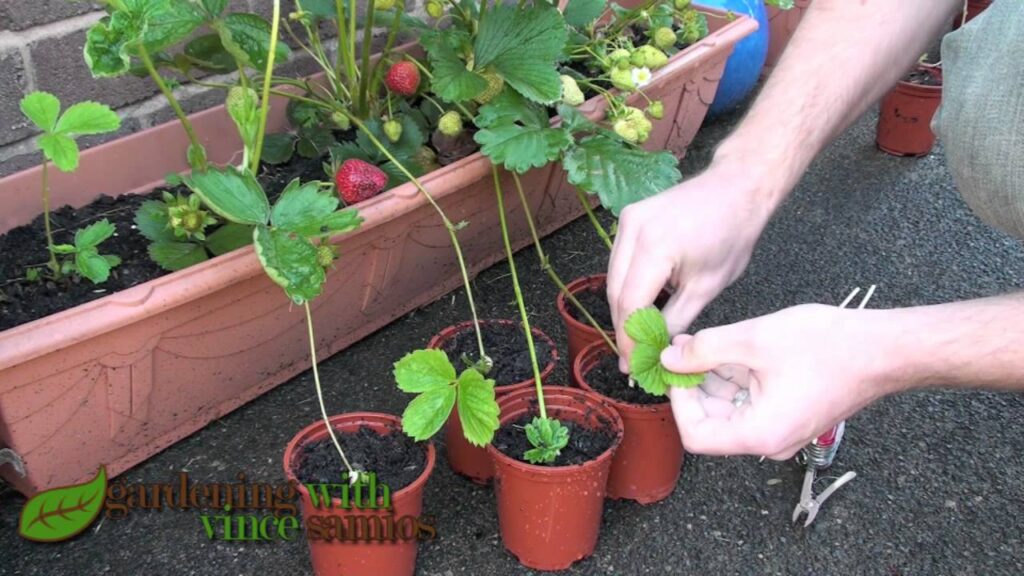
These runners will develop small plantlets at their nodes. You can either let them root naturally around the mother plant (which creates a matted row) or guide them to root into small pots filled with potting mix. Once the plantlet has developed a good root system (usually 4-6 weeks), you can snip it from the mother plant and transplant it to a new location. This is best done in late summer or early fall. It’s a rewarding process that makes your strawberry patch truly self-sustaining over time.
How Long Do Strawberry Plants Produce Fruit?
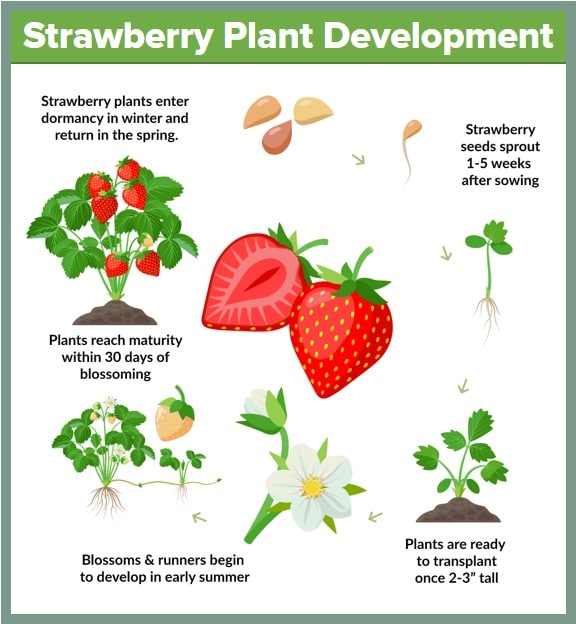
Generally, strawberry plants are most productive in their first two to three years of fruiting. After that, their vigor tends to decline, and yields diminish. This is why renovation and propagation are so important. For June-bearing plants, you’ll typically renovate them after their main harvest by mowing down the foliage to about 1-2 inches above the crowns, weeding thoroughly, and applying a fresh layer of compost. This rejuvenates the plants for the following year.
For everbearing and day-neutral types, renovation usually involves removing older, less productive plants and replacing them with new ones propagated from runners, or simply planting new stock every 2-3 years. Think of it as a natural cycle. You’re always looking to replace the older, tired plants with fresh, energetic ones to keep your harvest coming strong.
Common Strawberry Problems and Quick Fixes
| Problem | Symptoms | Quick Fix/Prevention |
|---|---|---|
| Powdery Mildew | White, powdery spots on leaves, especially undersides. Leaves may curl. | Improve air circulation. Water at the base. Use an organic fungicide if needed. |
| Leaf Spot | Small, reddish-purple spots on leaves, which enlarge and turn gray with purple borders. | Remove infected leaves. Ensure proper spacing. Avoid overhead watering. |
| Botrytis Fruit Rot (Gray Mold) | Soft, mushy spots on berries, covered in grayish-brown fuzz. | Ensure good air circulation. Remove infected fruit immediately. Keep berries off the soil with mulch. |
| Root Weevils | Notched leaf margins (adults), wilting plants, stunted growth (larvae feeding on roots). | Check under plants at night for adults. Introduce beneficial nematodes to soil for larvae control. |
| Small, Deformed Berries | Berries are small, misshapen, or have hard, seedy tips. | Indicates poor pollination (lack of bees, cold weather). Plant pollinator-friendly flowers. |
Staying on top of these issues means regular inspection. Catching a problem early is always easier than trying to fix a full-blown infestation or disease. Remember, a healthy plant is your first line of defense against most garden woes.
Frequently Asked Questions
Q: Can I grow strawberries in containers?
A: Absolutely! Strawberries do wonderfully in containers, hanging baskets, or strawberry pots. Just make sure the containers have good drainage and you provide consistent watering, as container plants dry out faster than those in the ground.
Q: What’s the difference between June-bearing and Everbearing strawberries?
A: June-bearing varieties produce one large crop in late spring/early summer and are best for large harvests. Everbearing types produce smaller crops throughout the spring, summer, and fall, giving you a continuous supply.
Q: How often should I fertilize my strawberry plants?
A: For June-bearing, a good feeding in early spring and again after the main harvest is usually enough. Everbearing and day-neutral types benefit from lighter, more frequent feedings (every 4-6 weeks) throughout their growing and fruiting season. Always `fertilize strawberry plants naturally` with compost or organic options.
Q: My strawberry flowers are there, but no fruit forms. Why?
A: The most common reasons are a lack of pollination (not enough bees) or environmental stress like extreme heat or inconsistent watering. Ensure your garden has pollinators or consider hand-pollinating if necessary.
Q: Do I need to prune strawberry plants?
A: For June-bearing, you’ll renovate them after harvest by mowing foliage and removing excess runners to thin the patch. For everbearing and day-neutral types, remove excess runners to direct the plant’s energy into fruit production. Removing dead or diseased leaves helps maintain plant health too.
Growing strawberries isn’t just about getting delicious fruit; it’s about connecting with your garden and experiencing the pure satisfaction of growing your own food. It takes a little planning, some consistent care, and a watchful eye, but the payoff is oh so sweet.
What’s the one thing you’re most excited to try in your strawberry patch this season?



Leave a Reply