
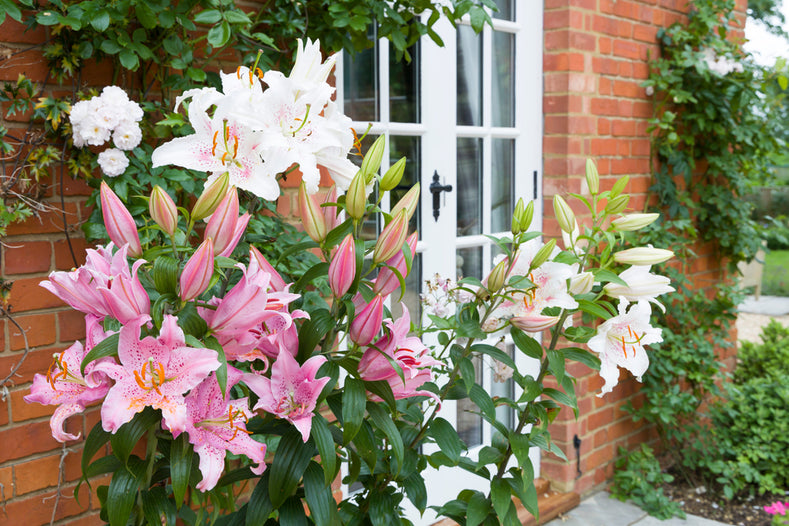
Oh, lilies! Just thinking about them brings a smile to my face. They’re those showstopper flowers that add a touch of pure elegance to any garden, aren’t they? With their big, bold blooms and often intoxicating fragrance, it’s no wonder so many of us dream of having them gracing our flowerbeds or patio pots. But sometimes, getting those gorgeous blooms to appear and come back year after year feels a bit like a mystery.
Well, I’m here to tell you it doesn’t have to be. Growing lilies, whether you’re dreaming of the classic trumpet lilies, the dramatic Orientals, or the cheerful Asiatics, is totally achievable. You just need a few solid tips and a bit of patience. I’ve certainly had my share of learning moments with these beauties, including one time when I thought more water was always better – turns out, lilies really dislike soggy feet!
So, let’s roll up our sleeves and get into the dirt, shall we? I’m going to walk you through everything you need to know to plant, care for, and enjoy a garden full of magnificent lilies.
Key Takeaways
Choosing Your Lily Bulbs and Varieties
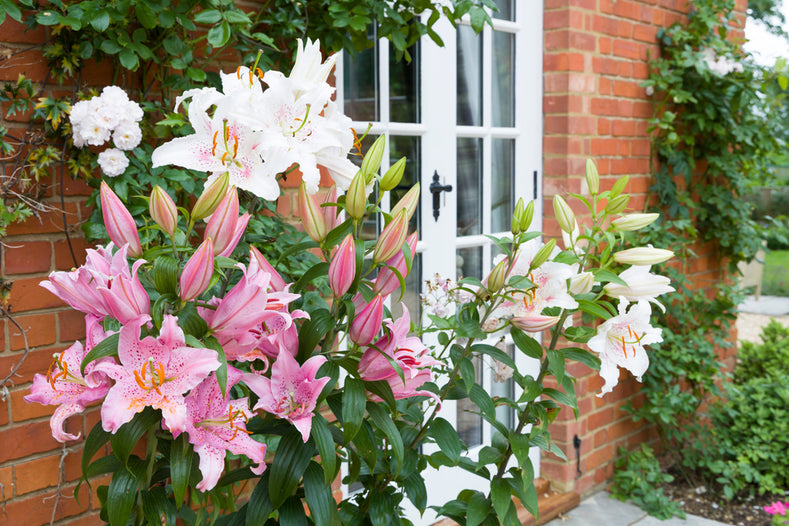
Honestly, this is where all the fun begins! There are so many kinds of lilies out there, and picking the right one for your garden can feel a little overwhelming at first. But don’t worry, it’s mostly about what you like and what works best in your local climate. Generally, you’ll find lily bulbs for sale in spring or fall, and they come in a few main groups:
Asiatic Lilies: These are the early bloomers, usually showing off their vibrant colors in early to mid-summer. They’re often unscented, come in a rainbow of colors, and are pretty tough plants. They don’t mind a bit of cold, making them a good choice for many gardens.
Oriental Lilies: Ah, the fragrant superstars! These tend to bloom later in the summer and are known for their incredibly sweet, sometimes powerful, scent. Think ‘Stargazer’ – that’s a classic Oriental lily. They love rich soil and plenty of sunshine. Their perfume can fill an entire evening garden with a delightful aroma.
Trumpet Lilies: These beauties have, as the name suggests, trumpet-shaped flowers. They’re often very tall and boast a lovely fragrance, too. They bloom mid to late summer and can handle a bit more heat than some other types.
When you’re shopping for lily bulbs, look for ones that feel firm and plump. Avoid any that are soft, moldy, or look dried out. A good, healthy lily bulb is the first step to happy lily plants.
Find the Perfect Spot: Sun and Soil Needs

Alright, you’ve got your bulbs – now where do you put them? This is super important because lilies are a bit particular about their location. Getting this right from the start will save you a lot of headache later.
Sunshine, Please! Most lilies crave full sun exposure. What does that mean? At least six hours of direct sunlight a day. If they don’t get enough light, they might grow leggy and produce fewer blooms. I’ve tried to cheat this before, thinking “oh, a little shade won’t hurt,” but trust me, they’ll tell you they’re not happy by giving you weak stems and tiny flowers. Some varieties can tolerate a little afternoon shade in really hot climates, but bright morning sun is a must.
The Dirt on Soil: This is probably the most critical factor. Lilies absolutely need well-drained soil. If their bulbs sit in soggy ground, especially over winter, they’ll likely rot. My personal experience taught me this the hard way – my first attempt at growing lilies involved a heavy clay bed, and it was a disaster. The bulbs just dissolved! So, if your soil is heavy clay, you’ll want to amend it generously with organic matter like compost, peat moss, or well-rotted manure to improve drainage.
Pro Tip: Lilies love “cool feet.” This means they prefer their roots and lower stems to be shaded, while their heads are in the sun. Planting low-growing perennials or annuals around their base can help keep the soil cool and moist, just how they like it.
The ideal soil type for lilies is slightly acidic to neutral (a pH between 6.0 and 7.0). If you’re unsure about your soil’s pH, a simple soil test can give you all the information you need.
Planting Lily Bulbs: Get It Right from the Start

Now that you know where they’re going, let’s talk about getting those lily bulbs into the ground. Timing is usually in the fall (for spring blooms) or early spring (for summer blooms), depending on your local climate and when you buy your bulbs.
Here’s how I go about it:
- Dig a hole that’s about two to three times as deep as the bulb is tall. So, if your lily bulb is 2 inches tall, you’ll want to dig a 4-6 inch deep hole.
- Space your lily bulbs about 6-8 inches apart. If you’re planting a large group, you might go for a wider spacing to allow for better air circulation once they grow.
- Place the lily bulb with the pointy side facing up. That’s where the stem will emerge!
- Gently cover the bulb with soil, making sure it’s firmly but not overly compacted.
- After planting, give them a good drink of water. This helps settle the soil around the bulbs.
Don’t be afraid to add a bit of bone meal to the bottom of the planting hole. It’s a slow-release source of phosphorus, which is great for root development and future blooms. Just sprinkle a tablespoon or so in the hole before you place the bulb.
Watering and Feeding Your Lily Plants for Big Blooms
Once your lilies are in the ground and growing, a bit of regular care will keep them happy and blooming.
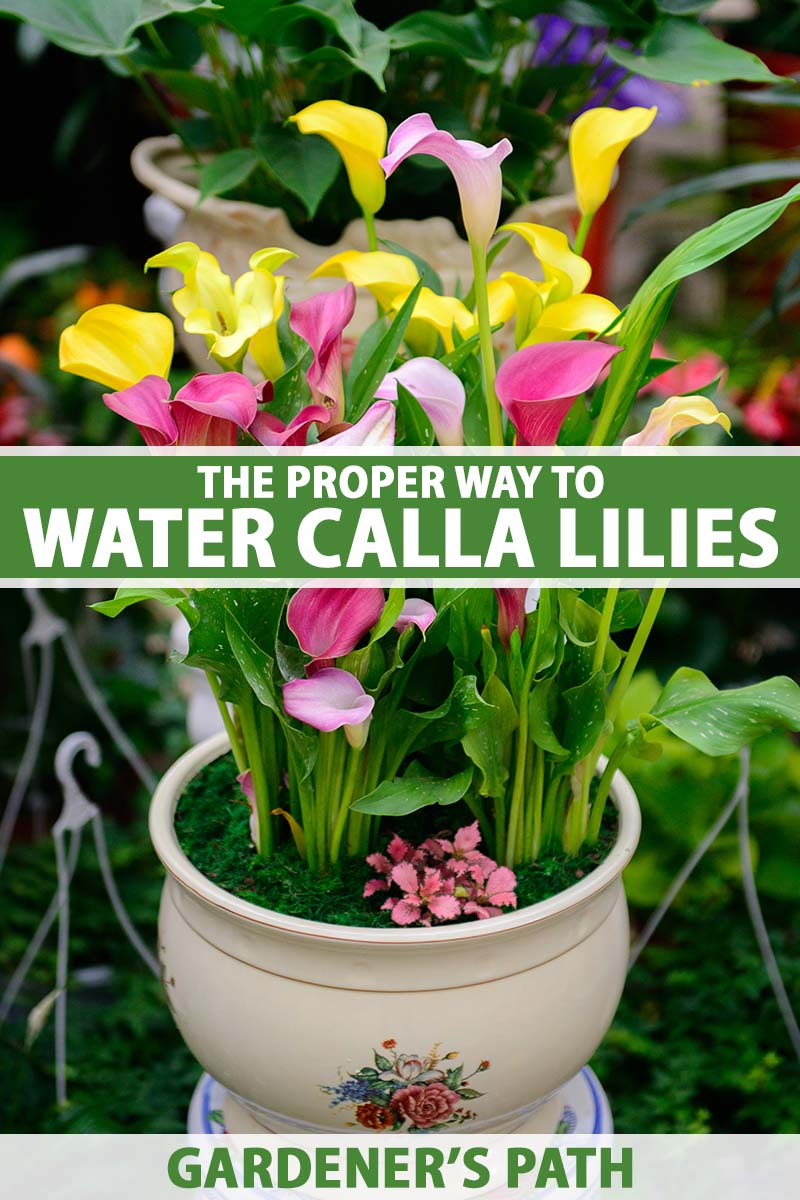
Watering Frequency: Do lilies need a lot of water? Not really, but they do need consistent moisture. The key is to keep the soil evenly moist, especially during dry spells and when they’re actively growing and flowering. Don’t let the soil dry out completely, but also, don’t let it get waterlogged. Remember my soggy feet story? It’s a real thing! A good rule of thumb is to water deeply once or twice a week, checking the soil moisture before you water again.
Feeding Time: Lilies aren’t super heavy feeders, but a little snack can definitely help. I usually give mine a balanced, slow-release granular fertilizer in early spring as new growth appears. You can also use a liquid feed every couple of weeks when they’re budding and blooming. Just follow the package directions for application rates. And don’t forget that bone meal at planting time – it gives them a great start.
Keeping Pests Away: Dealing with Lily Beetles and More
:strip_icc()/GettyImages-2191226252-b38ff7f50ff64605a3c0cc1f8aa07bf0.jpg)
Every gardener has to deal with a few critters, and lilies are no exception. The most notorious pest for lily plants in some regions is the dreaded lily beetle. These bright red beetles can munch through leaves and flowers shockingly fast!
The Lily Beetle: If you see these shiny red beetles (or their even more disgusting larvae, which cover themselves in their own frass – yeah, I know), you need to act fast. Honestly, hand-picking them off and dropping them into a bucket of soapy water is one of the most effective ways, especially for smaller infestations. I walk my garden every morning in spring and early summer specifically looking for them. You might also find some organic insecticidal sprays that can help, but check labels carefully.
Other common issues include aphids, which can be sprayed off with a strong jet of water or treated with insecticidal soap, and slugs and snails, which leave those tell-tale slime trails. A little bit of vigilance goes a long way here.
As for diseases, good air circulation and well-drained soil are your best defenses. If you notice any yellowing or spotting on leaves, remove the affected parts promptly to prevent spread.
Winterizing Your Lilies: Ensuring They Come Back Strong
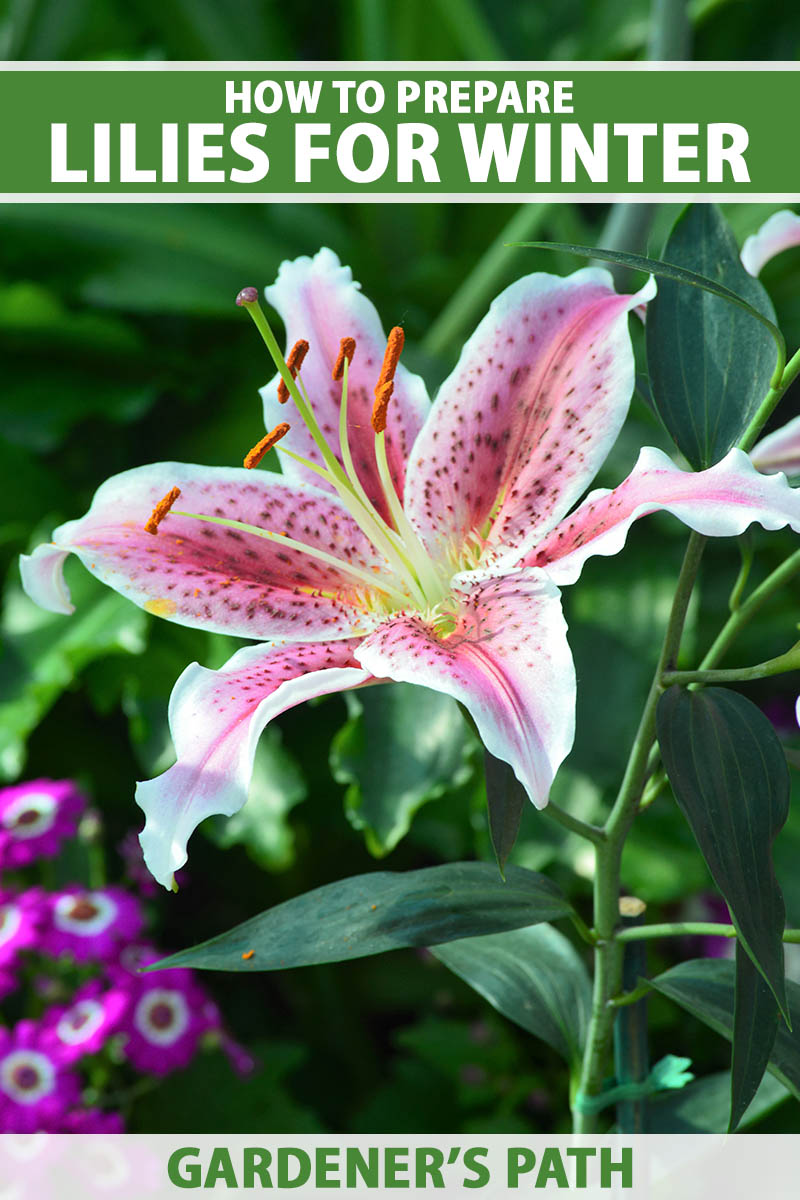
So, you’ve enjoyed their amazing blooms all summer – now what? Winterizing lilies is super important if you want them to rebloom next year. Most lilies are pretty hardy, but a little preparation can make a big difference.
Once the foliage starts to yellow and die back in the fall, you can cut the stems down to about 2-3 inches above the ground. Don’t cut them back too early, though, because the leaves are still gathering energy for the bulb for next season’s display. Leaving a short stem helps mark where your lilies are so you don’t accidentally dig them up later.
In colder climates, applying a mulch layer of straw, shredded leaves, or wood chips about 4-6 inches thick over the planting area helps protect the bulbs from deep freezes and sudden temperature shifts. Just make sure to pull the mulch back a bit in the spring when new growth starts to emerge. This simple step can prevent frost damage and ensure those beautiful blooms return.
Growing Lilies in Containers: Potted Perfection
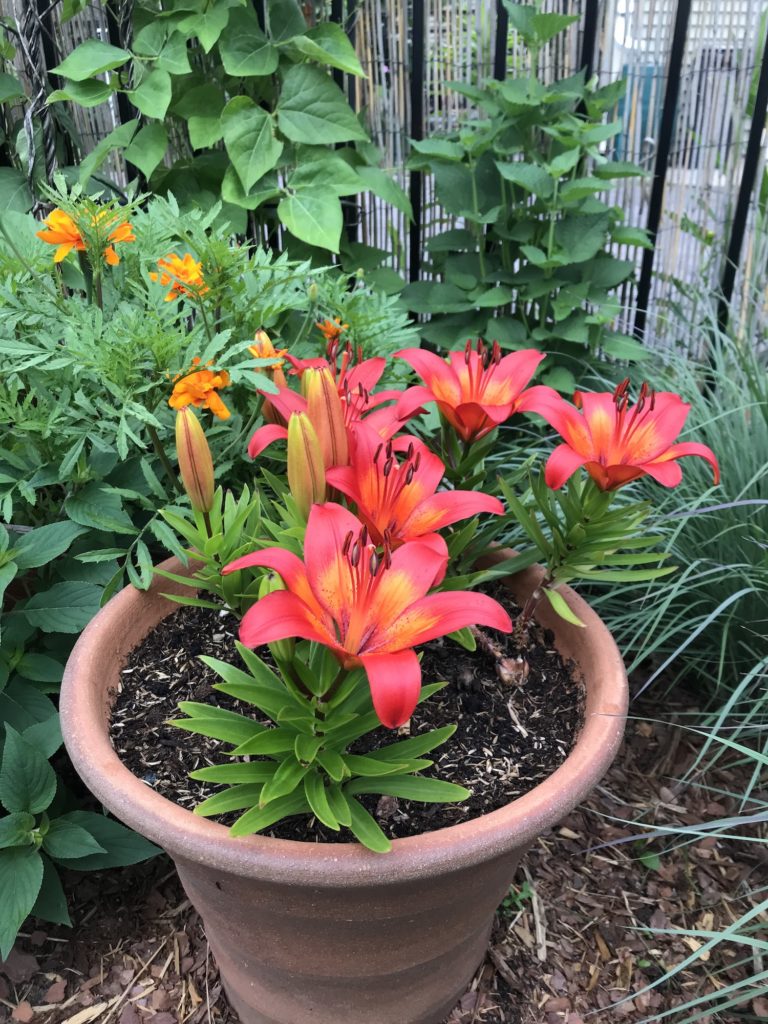
Can you grow lilies in pots? Absolutely! Container gardening is a fantastic way to enjoy lilies, especially if you have limited garden space, want to move them around for display, or if your garden soil isn’t ideal. Oriental lilies, with their impressive size and fragrance, look particularly stunning in large pots.
Here’s what you need to know for container success:
| Aspect | Container Lily Care |
|---|---|
| Pot Size | Choose a pot at least 10-12 inches in diameter and depth. Lilies have good root systems. |
| Drainage | The pot MUST have drainage holes. Use a good quality potting mix designed for containers; it’s already well-draining. |
| Planting Depth | Plant bulbs as you would in the ground, 2-3 times their height deep, pointy side up. |
| Watering | Potted plants dry out faster. Check daily and water when the top inch of soil feels dry. |
| Feeding | Use a slow-release granular fertilizer at planting, or liquid feed every 2-3 weeks during growth. |
| Winter Care | In cold areas, move pots to an unheated garage or shed for winter, or insulate them outdoors. |
Growing lilies in pots lets you control their environment really well. You can even bring them closer to your patio to truly enjoy that amazing scent!
Troubleshooting: Why Your Lilies Aren’t Flowering
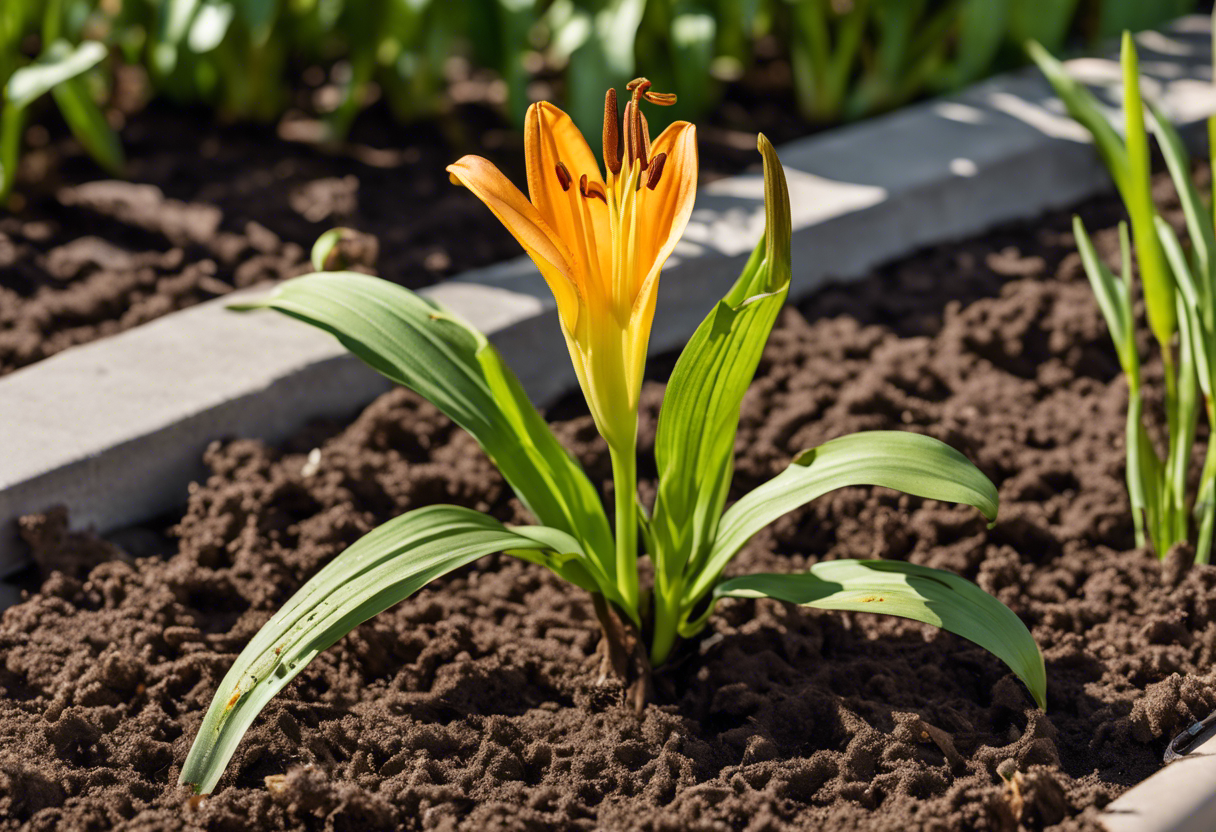
You’ve done everything right, or so you think, but your lilies just aren’t giving you those glorious blooms. It’s frustrating, I know! Here are a few common culprits when your lilies aren’t flowering:
- Not Enough Sun: This is probably the most common reason. If your lilies aren’t getting at least 6 hours of direct sun daily, they simply won’t have the energy to produce flowers.
- Too Much Shade at the Base: While they like “cool feet,” too much shade overall will hinder blooming.
- Poor Drainage: Soggy soil leads to bulb rot, which means no flowers and eventually, no plant.
- New Bulbs: Sometimes, newly planted bulbs, especially very large ones, focus their first season’s energy on establishing a strong root system. They might bloom sparsely or not at all the first year, but put on a show in subsequent years.
- Overcrowding: If your lilies have been in the same spot for many years, they might have formed large clumps of bulbs, competing for nutrients and space. Dividing them every few years can rejuvenate blooming.
- Pest or Disease Pressure: A severe infestation of lily beetles or a fungal disease can weaken the plant and prevent flowering.
- Incorrect Winterizing: If bulbs aren’t protected from harsh freezes, they might be damaged and unable to produce blooms.
Take a good look at your growing conditions and care routine. Often, a small adjustment can make all the difference in getting your lilies to rebloom next year.
Frequently Asked Questions
We covered a lot, but some questions pop up often. Here are the answers to a few common ones:
What is the ideal soil type for lilies?
Lilies absolutely thrive in well-drained soil that’s rich in organic matter. A slightly acidic to neutral pH (6.0-7.0) is perfect. Heavy clay soil is a no-go unless heavily amended.
Do lilies need a lot of water?
No, not a “lot” in the sense of constant soaking. They need consistent moisture, especially during dry periods, but hate sitting in waterlogged conditions. Water deeply once or twice a week, letting the topsoil dry out a bit between waterings.
Can you grow lilies in pots?
Yes, you definitely can! Just pick a sufficiently large pot (at least 10-12 inches deep and wide) with good drainage holes, and use a quality potting mix. Remember to water more frequently than in the ground.
How to get lilies to rebloom next year?
To ensure reblooming, give them full sun, good drainage, and proper winter protection (a mulch layer in colder zones). Don’t cut back the foliage until it yellows naturally, as the leaves gather energy for the bulb for the following season’s blooms.
How to protect lily plants from frost?
The best way to protect your lily bulbs from frost is to apply a thick layer (4-6 inches) of organic mulch, like straw or shredded leaves, over the planting area after the ground freezes in late fall. This insulates the bulbs from extreme cold.
There you have it! Growing lilies can be one of the most rewarding gardening experiences. There’s just something incredibly satisfying about watching those elegant stems emerge and then burst into those incredible, fragrant flowers. Have you tried growing lilies before, and what’s your favorite variety?



Leave a Reply