
There’s something truly special about sunflowers, isn’t there? Those towering stalks, topped with a fiery bloom that seems to smile directly at the sun. For me, they represent pure joy and a touch of summer magic in the garden. If you’ve ever dreamt of having these magnificent giants gracing your yard, you’re in for a treat. Growing sunflowers isn’t as complicated as you might think, and the rewards are absolutely worth it.
I’m here to tell you that with a few simple steps, you can absolutely grow your own impressive sunflowers. We’re talking about those big, cheerful faces that turn heads and make you feel like you’ve really accomplished something. Let’s get those seeds in the ground and watch them reach for the sky, shall we?
Key Takeaways
Picking the Perfect Spot and Soil for Your Sunflowers
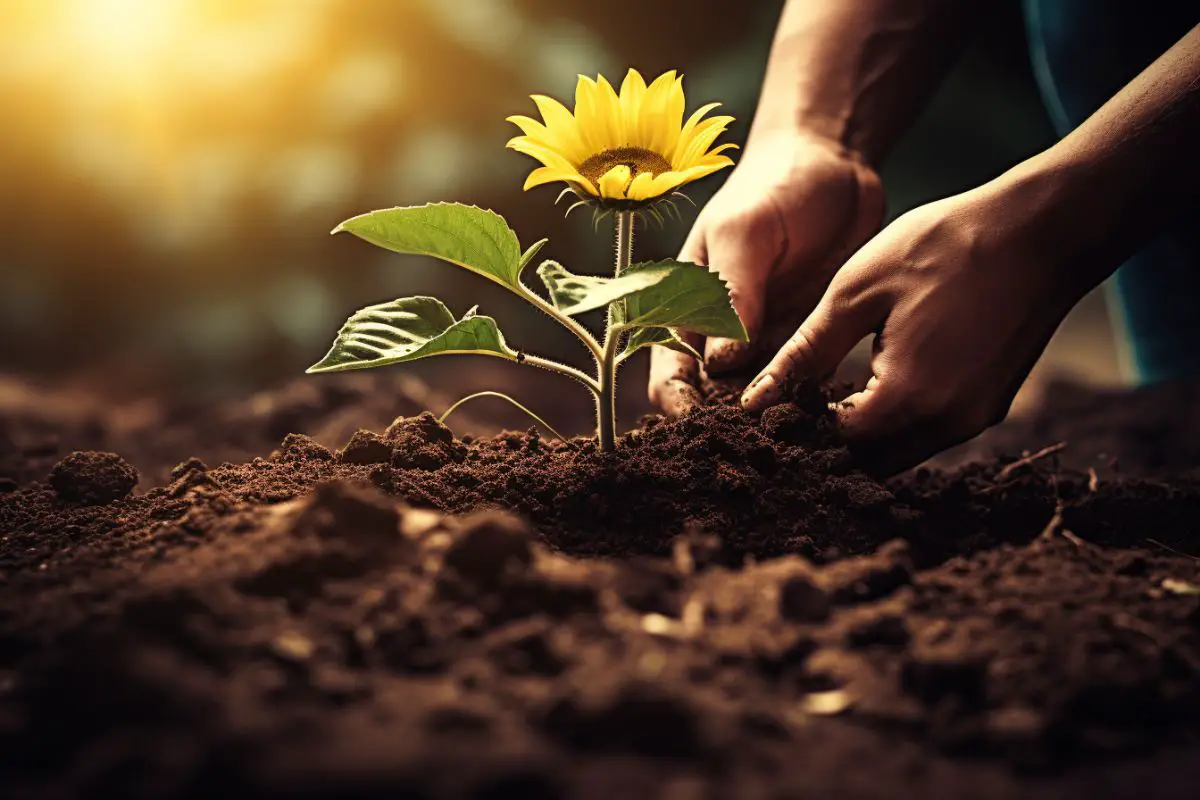
First things first, let’s talk location. Sunflowers, as their name suggests, are sun worshippers. They crave sunshine, and lots of it. So, when you’re thinking about where to plant them, aim for a spot that gets at least six to eight hours of direct full sun exposure every single day. More sun equals happier, bigger, and more prolific sunflowers, trust me.
The first time I tried to grow sunflowers, I made the mistake of planting them near a large oak tree. I thought they’d get enough light, but the tree’s afternoon shadow quickly became an issue. Those plants stretched and strained, looking spindly and sad, and never really produced the big, cheerful heads I was hoping for. It was a clear lesson in listening to a plant’s name!
Now, let’s chat about soil. Sunflowers aren’t super fussy, but they do have preferences. They do best in well-draining soil that isn’t too heavy or compacted. A nice loamy soil is ideal, but they’re pretty forgiving. If your soil is really clay-heavy, you might want to mix in some compost to loosen it up. This also adds good nutrients to give your seeds a head start.
The goal is to provide a rich, loose bed where their roots can grow deep and strong. A neutral to slightly alkaline pH is also preferred, but again, don’t sweat it too much unless you know your soil is extremely acidic or alkaline. Just make sure it drains well so their roots don’t sit in soggy conditions.
Choosing Your Sunflower Seeds: More Than Just Mammoth Russian
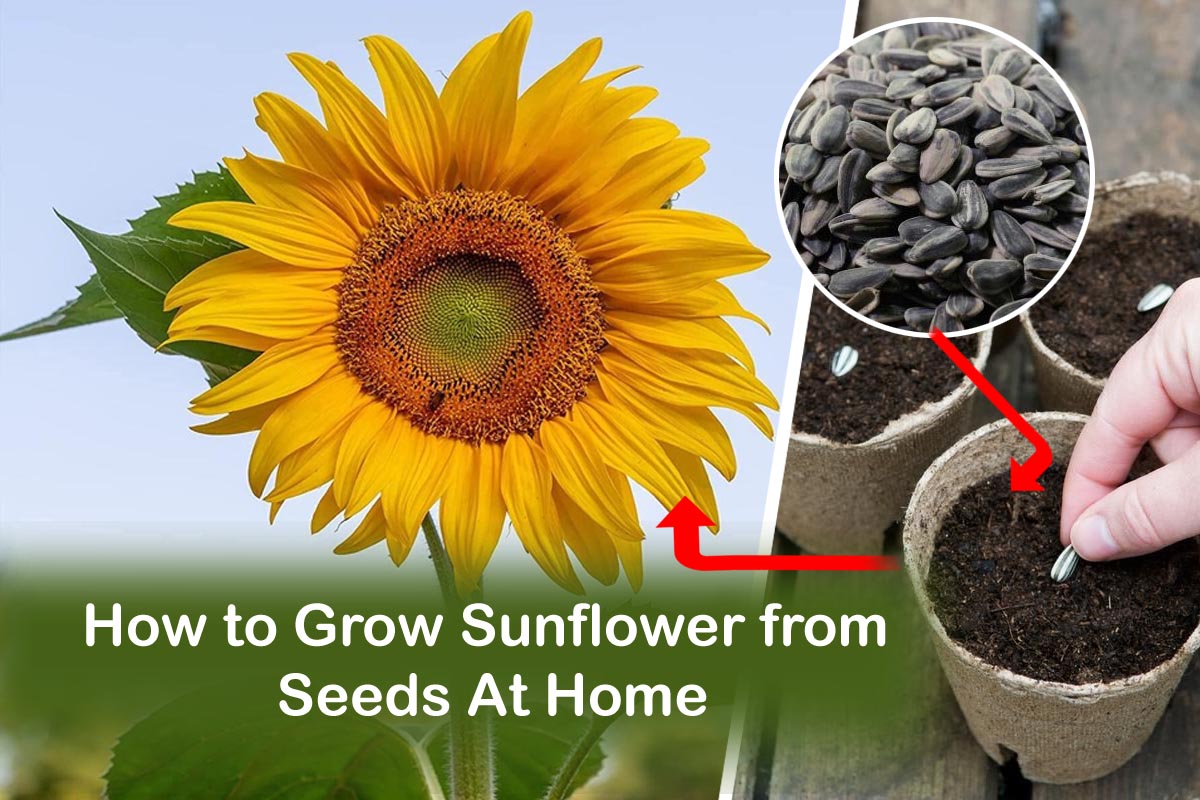
When you’re ready to grow sunflower, you’ll find there are so many fantastic varieties out there beyond the classic giants. Sure, the ‘Mammoth Russian sunflower’ is a crowd-pleaser for its impressive height and huge seed heads, and it’s definitely a great choice if you’re aiming for those iconic, towering blooms. But don’t feel limited!
You can find branching varieties that produce multiple smaller flowers, great for cutting, or dwarf varieties perfect for pots and smaller gardens. There are even sunflowers in beautiful shades of red, orange, and even maroon. Think about what you want from your sunflowers: do you want a privacy screen, cut flowers, or simply lots of edible seeds?
Once you’ve chosen your seeds, think about spacing. If you’re going for the really big ones, give them plenty of room. A good rule of thumb is to plant seeds about 6 inches apart, then thin them to 1 to 2 feet apart once they’re a few inches tall. This gives each plant ample space to spread its roots and develop a robust stem and head. If you’re planting smaller varieties, you can get away with closer spacing.
Planting Sunflower Seeds the Right Way
Okay, you’ve got your spot, your soil is prepped, and you’ve picked your seeds. Time to get them in the ground! The best time to plant sunflower seeds is after the last frost of spring, once the soil has warmed up a bit. Sunflowers don’t like cold feet, so waiting for reliably warm temperatures is key for good germination.
Plant your seeds about 1 inch deep and a good 6 inches apart. You can always thin them out later. Cover them lightly with soil and gently water them in. You’ll be surprised how quickly they pop up! The germination period for sunflowers is typically pretty fast, often within 7 to 10 days, sometimes even quicker if conditions are just right.
Once those little sprouts appear, you’ll want to protect them. Birds and squirrels absolutely love tender sunflower sprouts and seeds. I’ve had entire rows disappear overnight! Consider putting some netting over them, or even repurpose plastic milk jugs with the bottoms cut off as mini cloches until they’re a bit bigger and less appealing to critters. A physical barrier in the early stages can make all the difference.
Watering and Feeding Your Sunflowers Right
Watering is super important, especially when your sunflowers are young and establishing their root systems. Keep the soil consistently moist but not waterlogged. Think of it like this: the goal is damp soil, not a swamp. Once they’re taller and more established, sunflowers can tolerate a bit more dryness thanks to their deep taproots, but they’ll always appreciate a good drink during dry spells. Aim for deep watering a few times a week rather than shallow, frequent sprinkles.
When it comes to feeding, sunflowers aren’t incredibly greedy. If you’ve prepared your soil with compost, they might not need much else. However, a little boost can help them reach their full potential. When they’re about a foot tall, you can give them a light feeding of a balanced fertilizer. Look for something with an N-P-K ratio like 5-10-10 or something similar that supports blooming rather than just leafy growth. Avoid high-nitrogen fertilizers once they start growing tall, as this can encourage leafy growth at the expense of those big flower heads.
Some gardeners swear by compost tea every few weeks, and honestly, that’s a fantastic, gentle way to provide nutrients. Just remember, a little goes a long way. Too much fertilizer can actually burn the roots or lead to lush foliage but small flowers. Trust me, these plants are pretty good at finding what they need if the soil is decent.
Caring for Growing Sunflowers: Support and Deadheading

As your sunflowers shoot skyward, especially the ‘Mammoth Russian sunflower’ types, they might need a bit of support. Those heavy heads can be a lot for a slender stalk to bear, especially in windy conditions. Staking taller varieties with sturdy bamboo poles or even rebar can prevent them from snapping or falling over. Tie the stalk loosely to the stake with soft ties or old strips of cloth to prevent chafing. You don’t want to choke the plant.
When we talk about deadheading spent blooms, it’s a bit different for sunflowers than for, say, petunias. If you’re growing single-stemmed varieties for their seeds, you won’t really deadhead the main flower; you’ll let it mature fully. However, if you’ve got branching types that produce many flowers over a longer season, snipping off the faded blooms can encourage the plant to put its energy into producing more flowers rather than developing seeds in the old ones. It’s all about what you want your plant to do for you.
Keep an eye out for pests and diseases. Aphids can be a nuisance, clustering on new growth. A strong spray of water can dislodge them, or a bit of insecticidal soap can do the trick. Powdery mildew might appear on leaves in humid conditions; ensuring good air circulation helps. The buzzing of bees around healthy, growing sunflowers is a sweet sound, but that drooping, sickly look is not. Early detection is your best friend when it comes to plant health.
Harvesting Sunflower Seeds: Your Delicious Reward

This is arguably the most exciting part for many of us: getting to the good stuff inside! Knowing exactly when to begin sunflower seed harvesting is important. You’ll know the head is ready when the back of the flower head turns from green to a deep yellow, almost brown color. The petals will dry up and fall off, and the seeds themselves will look plump and firm.
Critters, especially birds and squirrels, will also let you know when they’re ready. They’ll start trying to get to them! To protect your harvest, you can cover the maturing heads with mesh bags (like onion bags) or cheesecloth. This allows air circulation while keeping hungry mouths away. You can really see their little teeth marks sometimes, so prevention is key.
To harvest, simply cut the head off with about a foot of stem attached. Hang the heads upside down in a warm, dry, well-ventilated area until they’re completely dry. This usually takes a few weeks. Once dry, you can easily rub the seeds off the head with your hand or a stiff brush. Store your clean, dry sunflower seeds in an airtight container in a cool, dark place. This ensures they’ll stay fresh for snacking or planting next year.
Beyond Seeds: Other Edible Surprises from Your Sunflower Plant

Most people think of sunflower seeds when they think of eating parts of the plant, but did you know there are other edible parts of a sunflower plant besides seeds? It’s true! Sunflowers offer a few more culinary delights that are often overlooked. It’s like having a secret garden within your garden.
Here are a few other parts you can enjoy:
- Young Leaves: The tender, young leaves from the top of the plant can be harvested and used like spinach or other leafy greens. They have a slightly bitter, nutty taste that’s great in salads or lightly sautéed. Just pick them before the plant gets too old and the leaves become tough.
- Flower Petals: The bright yellow petals are also edible! They have a mild, slightly bitter flavor and can add a pop of color to salads. They’re also fun as a garnish on desserts or even in homemade sun tea.
- Flower Buds: Before the flower opens, the tight green buds can be steamed or boiled and eaten like artichoke hearts. Just remove the tough outer bracts, and you’ll find a delicious, tender center. It’s a truly unique garden treat.
It’s always exciting to experiment with different parts of a plant, and sunflowers truly offer a surprising array of culinary options. Just be sure to harvest from plants that haven’t been treated with pesticides or chemicals.
Tasty Ways to Enjoy Your Harvest: Recipes for Sunflower Seeds
Once you’ve got your beautiful pile of harvested sunflower seeds, the fun really begins! There are countless ways to enjoy them, from simple roasting to creative snack ideas. Let’s make some tasty treats.
First up, for classic roasted seeds:
- Rinse your seeds thoroughly to remove any debris and pat them dry.
- Boil them in salted water (about 1/4 cup salt per 2 cups of water) for 15-20 minutes. This helps season them deeply.
- Drain the seeds and pat them very dry again.
- Toss them with a tablespoon of olive oil and your favorite seasonings (paprika, garlic powder, chili powder for spicy roasted sunflower seeds instructions, or just salt).
- Spread them in a single layer on a baking sheet.
- Roast at 300°F (150°C) for 30-40 minutes, stirring occasionally, until golden brown and crunchy.
For more specific sweet and savory sunflower seed snack ideas, you’ve got options:
| Flavor Profile | Seasoning Ideas | How to Use |
|---|---|---|
| Sweet | Cinnamon sugar, honey roasted (honey roasted sunflower seeds recipe), vanilla extract, maple syrup | Topping for yogurt, oatmeal, salads; snack mix; baking |
| Savory | Smoked paprika, garlic powder, onion powder, chili powder, soy sauce, nutritional yeast | Salads, soups, roasted vegetables; snack mix; crust for fish or chicken |
| Spicy | Cayenne pepper, red pepper flakes, hot sauce, chili lime seasoning | Standalone snack, crunchy garnish for tacos or chili |
To make a quick honey roasted sunflower seeds recipe, after boiling and drying, toss the seeds with a tablespoon of honey and a pinch of salt before roasting. Bake as usual, but keep a closer eye on them as honey can burn. The natural sweetness combined with the earthy flavor of the seeds is just incredible.
Troubleshooting Common Sunflower Problems

Even with the best intentions, you might run into a few bumps along the way when learning how to grow sunflower. Don’t worry, it’s all part of the gardening journey! One common issue is drooping leaves, which often signal that your plant is thirsty. Give it a good, deep watering, and you should see it perk right up. If the leaves are yellowing, it could be too much water (root rot) or a nutrient deficiency. Check your soil’s moisture and consider a balanced fertilizer.
Pests are another thing to watch for. Earlier, I mentioned birds and squirrels, but aphids, slugs, and cutworms can also be problematic. For slugs and cutworms, a barrier like a plastic collar around young stems can help. Aphids can often be sprayed off with a strong jet of water. Sometimes, you just have to accept that nature wants its share, but a little vigilance goes a long way. It’s frustrating to see a plant you’ve cared for struggle, but often, the solution is simpler than you think.
Pro Tip: If your sunflowers aren’t blooming, ensure they’re getting enough direct sunlight. Lack of sun is the number one reason for poor flower production in sunflowers. Also, make sure you’re not over-fertilizing with nitrogen, which can lead to lush green leaves but no flowers.
Diseases like powdery mildew or rust can also affect sunflowers, especially in humid conditions. Good air circulation and proper spacing between plants can help prevent these fungal issues. If you spot them, remove affected leaves to stop the spread. Honestly, most sunflower problems are pretty easy to identify and address once you know what to look for. And seeing those bright yellow faces again after a bit of care is a wonderful feeling.
Frequently Asked Questions
Here are some common questions folks ask about growing these amazing plants:
Q: How long does it take for a sunflower to grow to full size?
A: Most sunflowers take between 80 to 120 days to mature from seed to full bloom, depending on the variety and growing conditions. ‘Mammoth Russian sunflower’ varieties tend to be on the longer end of that scale.
Q: Do sunflowers only grow one flower per plant?
A: Not all of them! Many popular varieties, especially those grown for seeds, produce one large main flower head. However, there are also branching varieties that grow multiple smaller blooms on one plant, which are great for continuous cutting.
Q: Can I grow sunflowers in pots?
A: Absolutely! While the giant varieties might struggle, smaller dwarf and branching sunflower varieties do quite well in large containers. Just make sure the pot is big enough to accommodate their roots and has good drainage holes.
Q: What’s the best way to get really tall sunflowers?
A: Choose a tall variety like ‘Mammoth Russian sunflower,’ give them plenty of full sun exposure, rich loamy soil, consistent watering, and consider adding a balanced fertilizer when they’re young. And definitely stake them for support as they grow!
Q: Why are my sunflower leaves turning yellow?
A: Yellowing leaves can indicate a few things. It might be overwatering, leading to root problems, or underwatering if the soil is bone dry. It could also be a nutrient deficiency, especially nitrogen. Check the soil moisture first, then consider a light feeding if needed.
Well, there you have it – everything you need to know to get started with growing your very own spectacular sunflowers. From picking the perfect sunny spot to harvesting those delicious seeds, it’s a wonderfully rewarding process. There’s just something incredibly satisfying about watching a tiny seed turn into a towering, sun-kissed bloom.
So, what are you waiting for? Grab some seeds, find a sunny patch, and let’s get those beautiful sunflowers growing. What kind of sunflower are you most excited to try growing this season?

Leave a Reply