
There’s just something about a sunflower, isn’t there? Those big, bright faces following the sun, standing tall and proud. They bring so much cheer to a garden, and honestly, they’re surprisingly simple to grow yourself. If you’ve ever gazed at a field of them and thought, “I wish I could do that,” well, you absolutely can! We’re going to walk through everything you need to know to get these sunny giants popping up in your own backyard.
I remember the first time I managed to grow a truly colossal Mammoth Russian sunflower. It felt like a small victory every morning watching its head turn. The sheer joy they bring, not just to me but to the bees and birds too, makes all the effort worth it. And trust me, it’s not a lot of effort!
Key Takeaways
Why You Should Grow Sunflowers
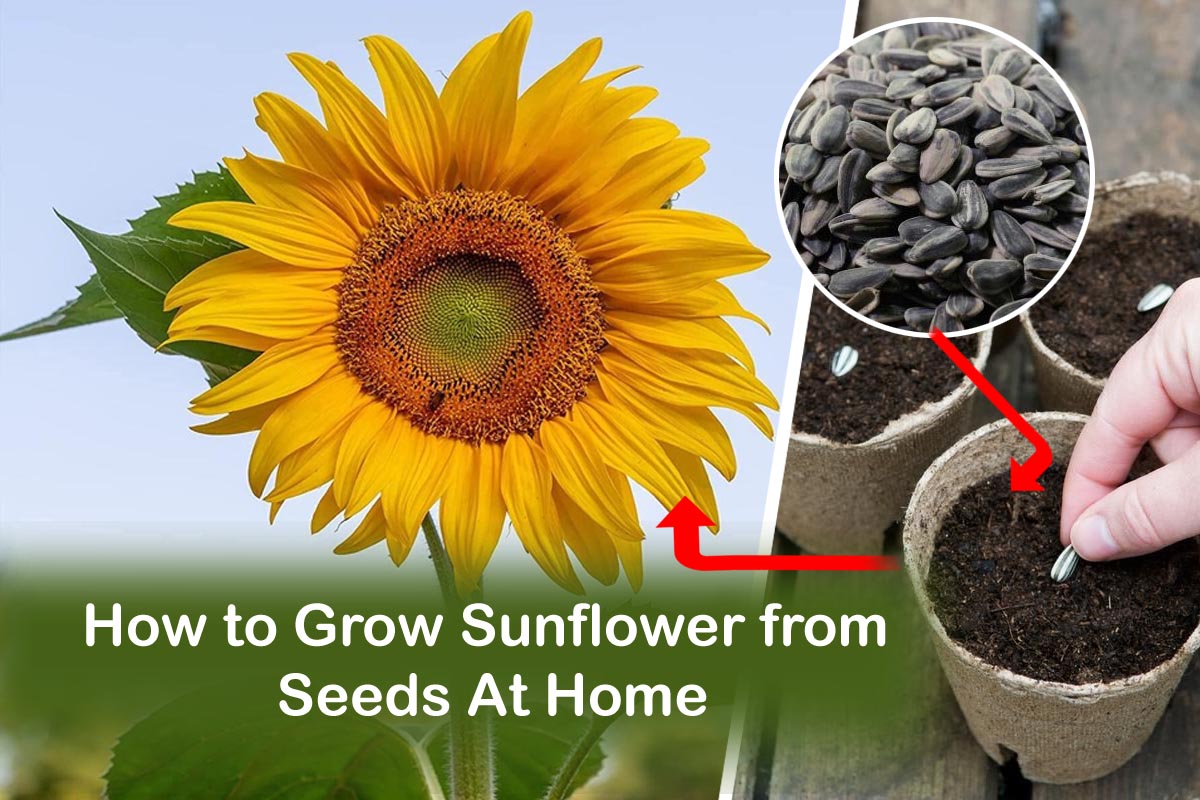
Honestly, why wouldn’t you grow sunflowers? They’re magnificent! They add instant visual drama to any garden with their striking height and cheerful yellow petals. But beyond just looking good, they’re incredibly rewarding to have around.
For one, they’re fantastic for local wildlife. Bees absolutely adore their nectar, and later, the birds will flock to feast on the seeds. Plus, harvesting your own sunflower seeds for snacking or bird feed is a really satisfying experience. It’s a plant that keeps on giving!
Picking the Perfect Spot for Your Sunflowers

Okay, so you’re ready to get planting. The first thing you need to figure out is where your sunflowers are going to live. These plants aren’t shy, and they have some pretty straightforward demands.
Your sunflowers need a spot that gets full sun exposure—we’re talking at least six to eight hours of direct sunlight every single day. Less sun means smaller plants, fewer flowers, and generally unhappy sunflowers. Think of them as sun worshippers!
Next up is the soil. They aren’t super fussy, but they do appreciate well-draining soil. If your soil holds water like a sponge, you might run into problems. A slightly acidic to neutral soil pH level (around 6.0 to 7.5) is just right. Also, consider any strong winds. Tall sunflowers can be top-heavy, so a spot with some protection from harsh gusts can save you from broken stems down the road.
Choosing Your Sunflower Varieties

Did you know there are tons of different sunflower varieties out there? It’s not just the classic giant you see in pictures! Choosing the right kind depends on what you want from your plant.
If you’re dreaming of those truly massive plants, the Mammoth Russian sunflower is your go-to. They get incredibly tall and produce huge seed heads. If you’re planning to attract birds, or maybe make your own cooking oil, Black Oil sunflower seeds are perfect. They’re smaller, but highly nutritious for feathered friends.
For folks with smaller spaces or who want to try container gardening, there are dwarf varieties that stay more compact. Many types even offer tips for growing multiple sunflower heads from one plant, giving you more blooms for your buck. If you’re just starting out, there are plenty of best sunflower varieties for beginners that are super forgiving.
Here’s a quick look at some popular options:
| Variety Name | Average Height | Flower Size | Primary Use |
|---|---|---|---|
| Mammoth Russian | 8-12 feet | 10-14 inches | Giant seeds, visual impact |
| Black Oil | 5-7 feet | 5-7 inches | Birdseed, oil production |
| Teddy Bear | 2-3 feet | 6 inches | Container gardening, fluffy blooms |
| Lemon Queen | 5-7 feet | 6-8 inches | Pollinator friendly, light yellow petals |
| Autumn Beauty | 5-8 feet | 5-8 inches | Multi-colored petals, cut flowers |
Getting Your Soil Ready to Plant
Once you’ve picked your perfect spot and your favorite variety, it’s time to get the soil prepped. Remember that well-draining soil we talked about? Now’s the time to make sure you have it.
I always start by loosening the soil with a gardening trowel or a spade, going down about a foot or so. This helps the roots spread out easily. Then, I mix in a good amount of organic material. A nice helping of compost is ideal; it gives your sunflowers a slow-release food source as they grow. Some folks like to add bone meal for phosphorus, which helps with strong root development. You can also mix in a balanced NPK fertilizer if your soil is particularly poor, but generally, compost is a fantastic start.
Good soil requirements for sunflowers mean you’re setting them up for a strong beginning. They’re heavy feeders, so giving them a nutrient-rich home from the start pays off big time.
When and How to Plant Your Sunflower Seeds
Timing is everything when it comes to planting sunflower seeds. You don’t want to put them out too early. The rule of thumb is to plant them after the last frost date in your area, usually in late spring or early summer once the soil has warmed up. If you plant them when the ground is still too cold, they just won’t germinate properly.
The first time I tried this, I made the mistake of planting some seeds a bit too early, hoping to get a head start. Most of them just sat there, eventually rotting, and the ones that did sprout were weak. It taught me patience, that’s for sure!
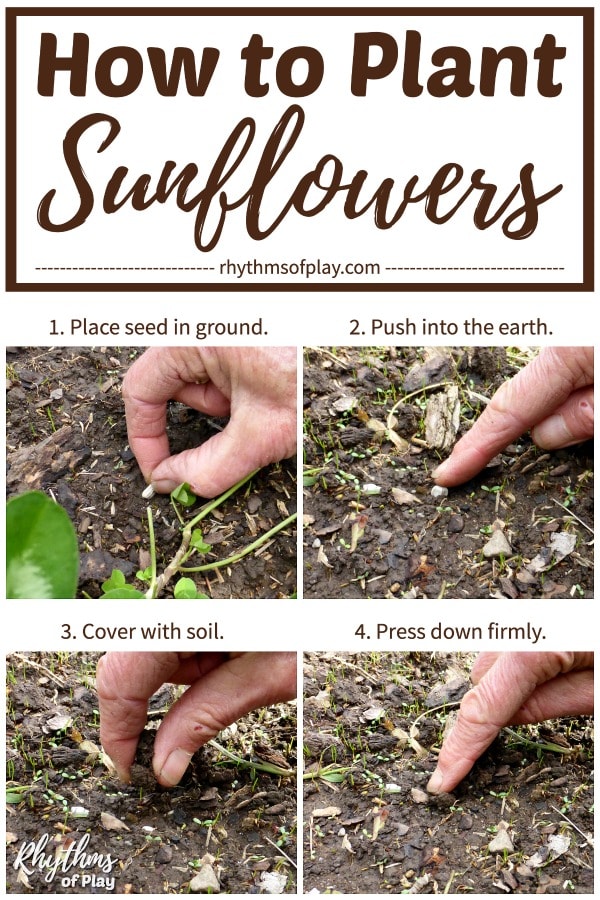
To plant, use your gardening trowel to make a small hole about one inch deep. Place a single seed in each hole, then cover it gently with soil. If you’re planting multiple rows, give them a good three feet between rows. For individual plants, space them about six inches apart. Once they’ve sprouted and grown a few inches, you can thin them out to give the strongest seedlings about 1-2 feet of space between them, especially for the giant varieties.
Pro Tip: To protect newly planted seeds from birds and squirrels, you can cover the area with netting or a light layer of chicken wire until the seedlings are a few inches tall. It makes a world of difference!
The germination period usually takes about 7 to 14 days, depending on the warmth of your soil and consistent moisture. Keep the soil consistently damp but not waterlogged during this time.
Watering and Feeding Your Growing Sunflowers
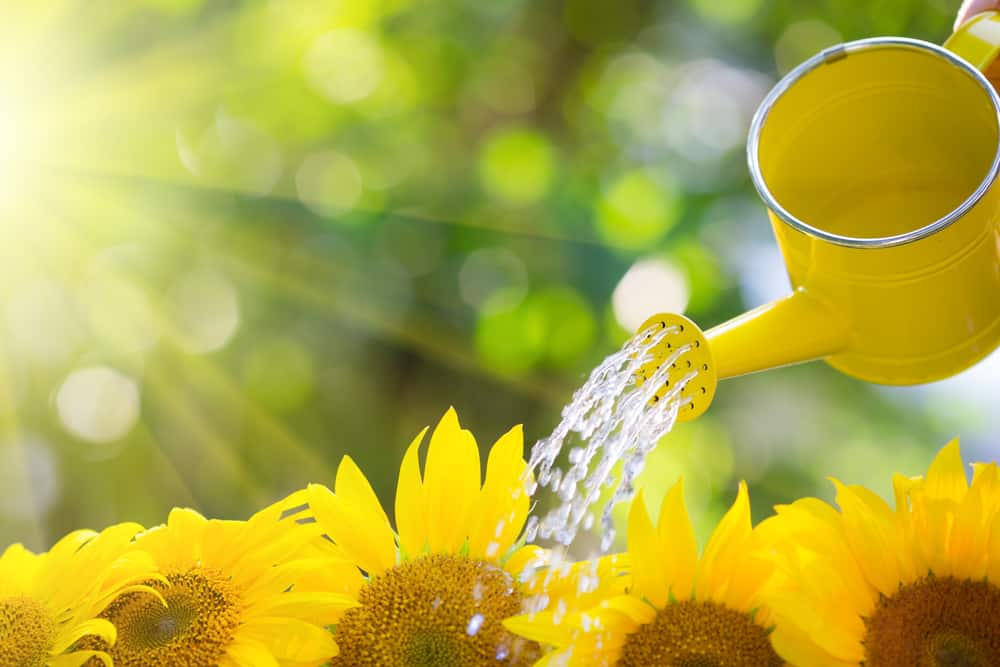
Once your sunflowers start to grow, they’re going to need a good drink. A watering schedule for sunflowers usually means deep and infrequent watering, rather than light daily sprinkles. You want the water to get down to the deeper roots, encouraging them to stretch out.
When they’re young, keep the soil around them moist. As they grow bigger, especially when they’re forming those big flower heads, they’ll need even more water. A good soaking once or twice a week, more if it’s really hot and dry, is generally sufficient. You’ll notice the soil looks parched and feels dry to the touch, or the lower leaves might start to look a little droopy when they’re thirsty.
As for feeding, remember they’re hungry plants! If you started with good, rich soil, you might not need much extra. However, for those really giant sunflowers, a periodic feeding with a balanced liquid NPK fertilizer or a compost tea can give them a nice boost. Just avoid over-fertilizing with too much nitrogen once they start to form flower buds, as this can encourage leafy growth at the expense of big blooms.
Supporting Tall Sunflower Stalks

If you’re growing varieties like the Mammoth Russian sunflower, you’ll quickly realize how tall they can get. This height, while impressive, can make them prone to falling over, especially in strong winds or after heavy rain. That’s where staking sunflowers comes in.
You’ll want to think about how to support tall sunflower stalks early on, rather than waiting until they’re leaning. Once your sunflower is about 3-4 feet tall, it’s a good idea to put a sturdy stake next to it. You can use bamboo, metal rebar, or even a strong wooden post. Gently tie the stalk to the stake using soft ties or old strips of cloth, being careful not to cinch it too tightly. You want to allow for some natural movement and stem growth.
I find tying them at a couple of different points along the stalk works best. It gives them stability without restricting their natural upward movement. This simple step can save your beautiful blooms from an untimely collapse.
Protecting Your Sunflowers from Pests and Critters

Sunflowers are generally pretty hardy, but they’re not completely immune to visitors. Protecting sunflowers from pests and other critters is part of the gardening adventure.
Here are some common issues and how to manage them:
- Aphids: These tiny green or black insects love to cluster on new growth and the undersides of leaves. A strong spray of water can often knock them off. For a more direct solution, a homemade insecticidal soap spray works well.
- Birds: As those seed heads ripen, birds will definitely take notice! This is where you might need deer deterrents. Netting placed over the ripening heads can keep them from snacking too much. You can also try reflective tape or old CDs hanging near the plants to scare them off.
- Deer: Deer love to munch on tender sunflower leaves. If deer are a problem in your area, consider planting sunflowers within a fenced garden area or using commercial deer repellents.
- Squirrels and Chipmunks: Like birds, these rodents are after the seeds. Netting is again your best friend here, or a wire cage around the ripening heads can be effective.
Keep an eye on your plants regularly. Early detection makes dealing with pests much easier.
Troubleshooting Common Sunflower Problems

Even with the best intentions, you might run into a snag or two. Don’t worry, it’s usually easy to figure out!
One common question I get is, “Why are my sunflower leaves turning yellow?” There are a few reasons for this. It could be overwatering, which starves the roots of oxygen. Or, it might be underwatering, especially if the plant is wilting as well. Check the soil moisture. Yellowing leaves can also signal a nutrient lack, particularly nitrogen, which you can fix with a balanced fertilizer. Sometimes, lower leaves naturally yellow and drop as the plant focuses its energy on new growth and the flower head.
Another issue can be fungal diseases, especially in humid conditions. Ensure good air circulation around your plants by spacing them correctly and trimming any overly dense lower foliage. If you spot powdery mildew or other fungal issues, a natural fungicide can sometimes help, but prevention through good air flow and proper watering is often the simplest solution.
Harvesting Your Sunflower Seeds
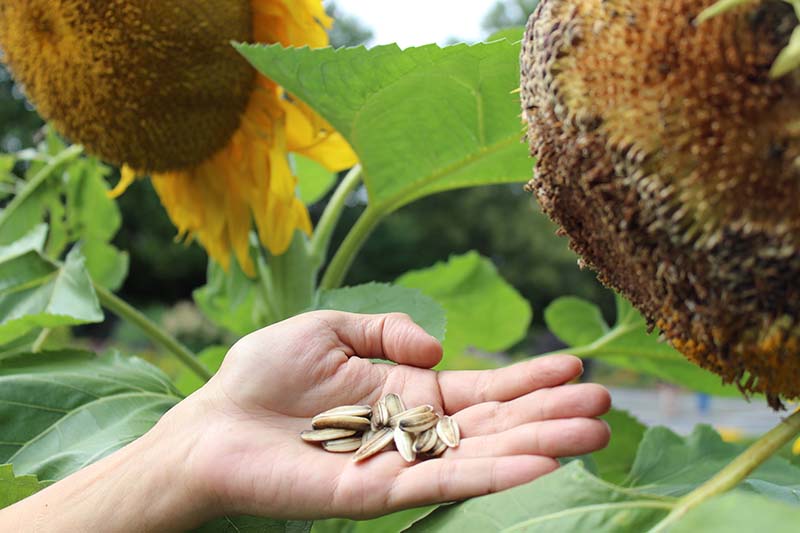
The moment you’ve been waiting for! Knowing how to harvest sunflower seeds for eating is a really satisfying skill. You’ll know the seeds are ready when the back of the flower head turns from green to yellow, then to a deep brown, and the petals begin to dry and fall off. The seeds themselves will look plump and firm.
To harvest, cut the head from the stalk, leaving about six inches of stem attached. You can hang the heads upside down in a warm, dry, well-ventilated area, like a shed or garage, to continue drying for a few weeks. Make sure to protect them from birds and rodents during this drying period by covering them with mesh bags or netting.
Once completely dry, you can easily rub the seeds off the head with your hands or a stiff brush. Store them in an airtight container in a cool, dry place. They’re great for snacking, roasting, or saving for next year’s planting!
Extending the Sunflower Season

Want more sunflower joy throughout the summer and fall? You can totally do that! One approach is succession planting. Instead of planting all your seeds at once, sow a new batch every couple of weeks for a continuous display of blooms. This gives you a steady stream of fresh flowers as the earlier ones finish their cycle.
You can also look for varieties known for tips for growing multiple sunflower heads. These varieties branch out more, producing several smaller flower heads rather than one giant one, which can extend the overall blooming period of a single plant. Think about companion plants for sunflowers too. Things like marigolds can help deter pests, while cosmos or zinnias can fill in the space around the taller sunflowers, creating a beautiful layered look and attracting pollinators to sunflowers even more.
Frequently Asked Questions
Got more questions? Here are some common ones we hear:
How long does it take for a sunflower to bloom?
Generally, from planting the seed to seeing that glorious bloom, it takes about 70 to 100 days, depending on the variety and local growing conditions. Some shorter varieties can bloom a bit quicker, while the giant ones might take closer to the 100-day mark.
How much sun do sunflowers need daily?
Sunflowers are sun lovers! They truly thrive with at least six to eight hours of direct sunlight every day. The more sun they get, the stronger and healthier they’ll be.
Can I grow sunflowers in pots or containers?
Absolutely! If you’re growing sunflowers in pots or containers, just choose dwarf or compact varieties. Make sure the container is large enough (at least 5-gallon size for even smaller varieties) and has good drainage holes. They’ll need consistent watering since containers dry out faster.
What’s the best fertilizer for giant sunflowers?
For giant varieties, a balanced NPK fertilizer when they’re young can give them a good start. Once they start to bud, switch to a fertilizer lower in nitrogen and higher in phosphorus and potassium to encourage flower and seed development. Compost mixed into the soil initially provides excellent slow-release feeding.
Why do sunflowers turn towards the sun?
This amazing phenomenon is called heliotropism. Young sunflowers follow the sun throughout the day, orienting their heads eastward in the morning and westward by evening. They then reorient overnight to face east again. Once they mature and their heads are heavy with seeds, they generally stop moving and remain facing east.
So, there you have it! Growing sunflowers is an incredibly rewarding gardening adventure, bringing both beauty and a bit of a challenge to your outdoor space. Are you ready to plant your own little piece of sunshine?

Leave a Reply