
So, you’re thinking about trying yoga. Maybe you’ve seen those incredible Instagrammers pretzel themselves into impossible poses, or perhaps a friend swore it changed their life. Whatever sparked your interest, let’s be real: starting something new, especially when it involves moving your body in ways you’re not used to, can feel a little daunting. You might be wondering, “Am I flexible enough?” or “Will I look silly?”
Honestly, I get it. We’ve all been there. But I’m here to tell you that yoga for beginners isn’t about touching your toes on day one. It’s about showing up, breathing, and giving yourself a moment. It’s about finding a little quiet in a noisy world, and maybe, just maybe, discovering some strength and peace you didn’t know you had. This isn’t some mystical, unattainable thing; it’s a practice for everyone, including you.
Key Takeaways
What Is Yoga, Really? It’s More Than Just Stretching
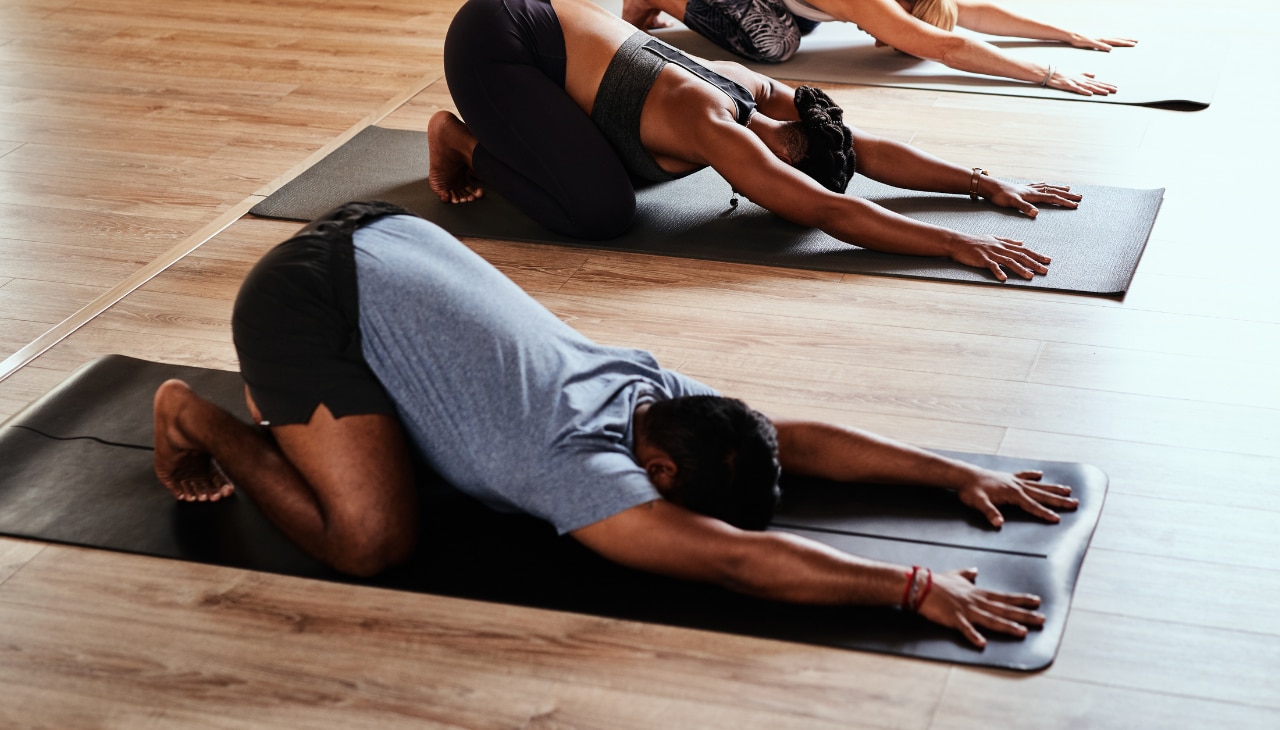
When most people think of yoga, they picture complex poses and very flexible people. And sure, physical postures (called asanas) are a big part of it. But that’s like saying a book is just paper and ink. Yoga, at its heart, is a system designed to connect your mind, body, and spirit. It’s ancient, yes, but it’s completely relevant to modern life.
Think of it like this: your breath is the anchor. As you move through different poses, you’re encouraged to pay close attention to your breathing. This focus helps quiet the constant chatter in your head, bringing you into the present moment. That’s why even simple stretches, when done with conscious breathing, can feel incredibly calming and powerful. It’s a way to hit the pause button on your day.
Why Start Yoga Now? The Real-World Benefits You’ll Notice

You might be wondering what you’ll actually get out of this. Well, for starters, most people quickly notice an improvement in their flexibility. Those tight hamstrings or stiff shoulders? Yoga helps with that. But the perks don’t stop there. You’ll likely feel stronger, too, as many poses build stability and muscle tone.
Beyond the physical, there’s a mental aspect that many find quite compelling. A regular yoga practice can genuinely help reduce stress and anxiety. It’s that focused breathing, that time you take just for yourself. It helps you clear your head and gain a fresh outlook. I’ve heard countless students say they feel a quietness they don’t find anywhere else. If you’re looking for a way to feel better, both inside and out, yoga for beginners is a fantastic place to start.
Another surprising outcome is better sleep. When your mind is calmer and your body has moved purposefully, falling asleep often comes easier. Plus, you might find your balance improves, not just on the mat, but in your daily life too. It’s a subtle but wonderful shift.
Getting Started: Your First Steps as a Yoga Beginner
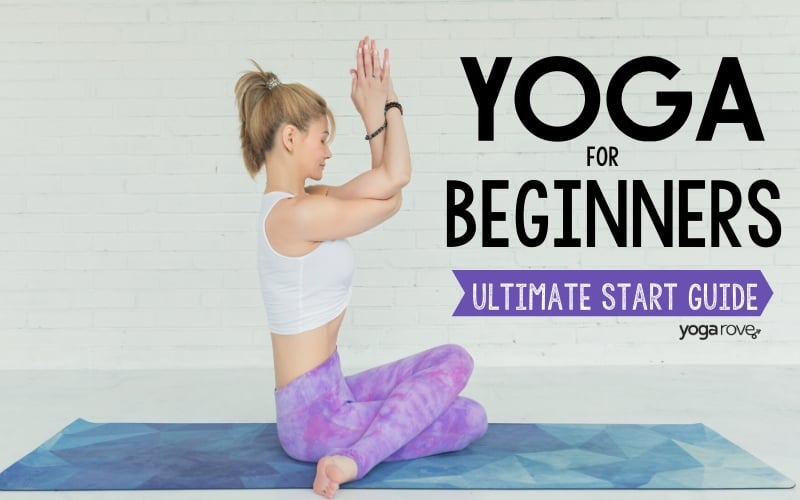
Okay, you’re in! So, what do you need? Honestly, not much. You don’t need fancy gear or expensive clothes. Here’s what I tell everyone who’s just starting out:
-
A Mat: A sticky yoga mat gives you grip and cushioning. You can find basic ones pretty affordably online or at sports stores.
-
Comfortable Clothes: Wear anything that lets you move freely. Think leggings, shorts, or loose pants, and a top that won’t ride up when you bend over.
-
An Open Mind: This is perhaps the most important item. Let go of expectations. Your first few sessions are about exploring, not perfecting.
-
A Water Bottle: Hydration is always a good idea, even if beginner yoga isn’t super sweaty.
Don’t worry about props like blocks or straps just yet. Many studios have them, and if you’re practicing at home, you can easily substitute with things around the house – a thick book for a block, or a belt for a strap.
Finding Your Yoga Style: Which Path is Right for You?

This is where things can sometimes feel confusing, because there are so many different kinds of yoga! But don’t let that overwhelm you. For yoga beginners, I always suggest starting with something gentle and accessible. Here are a few common styles and what they’re like:
Hatha Yoga: This is often the umbrella term for many physical yoga practices. A Hatha class typically involves holding poses for a few breaths, giving you time to settle in and understand the shapes. It’s a slower pace, great for learning the ropes.
Vinyasa Yoga: If Hatha is walking, Vinyasa is a gentle jog. It links breath with movement, flowing from one pose to the next. It can be a bit faster, but many beginner-friendly Vinyasa classes exist. It’s great for building heat and a sense of movement.
Restorative Yoga: This is pure bliss. You use lots of props (bolsters, blankets) to support your body in gentle, comfortable poses that you hold for a long time. It’s all about relaxation and letting go of tension. If stress is your main concern, this could be your entry point.
My advice? Try a few different kinds if you can. Many studios offer introductory deals. See what clicks for you. The funny thing is, the style you think you’ll love might not be the one that truly speaks to your body and mind. So stay curious!
Common Beginner Mistakes (and How to Avoid Them)

The first time I tried yoga, I walked into an advanced class by mistake. I spent 75 minutes grunting, sweating, and feeling completely out of place. My body ached for days. Looking back, it was a valuable, if painful, lesson in starting small and being honest about where I was.
Here are some mistakes I see beginners make, and how you can sidestep them:
1. Pushing Too Hard, Too Fast: This is probably the biggest one. Your body will open up over time. Don’t force yourself into poses that cause sharp pain. A little discomfort as muscles stretch is fine, but pain is a warning sign. Yoga isn’t a competition. You’re not trying to touch your toes on day one. Seriously.
2. Comparing Yourself to Others: It’s so easy to look around a class (or scroll online) and feel inadequate. Remember, everyone started somewhere. That person doing a perfect handstand likely practiced for years. Focus on your own mat, your own breath, and your own progress. This is your personal journey.
3. Holding Your Breath: The breath is the core of your practice. When things feel difficult, our natural tendency is to hold our breath. Instead, consciously deepen your breathing. It helps calm your nervous system and gives your muscles oxygen.
4. Skipping Savasana (Final Relaxation): After all that work, it’s tempting to pack up and go. But Savasana, where you lie still and simply rest, is where your body and mind absorb all the benefits of the practice. It’s truly a crucial part of the process. Don’t miss it!
Pro Tip: Always tell your instructor if you’re new or have any injuries. They can offer modifications to poses that make them safer and more comfortable for you. Don’t be shy; they want to help!
Building a Home Practice: Yoga Without a Studio

You absolutely don’t need to join a studio to practice yoga. While a good instructor can provide invaluable feedback, a home practice is incredibly powerful. It’s accessible, convenient, and truly your own space to experiment.
Start small. Pick 3-5 simple poses you’ve learned (or found reliable online tutorials for) and dedicate 10-15 minutes a few times a week. Maybe it’s a few cat-cows to warm up your spine, a downward-facing dog, a warrior pose, and then some gentle stretches. The key is consistency, not length. You’ll be surprised how quickly you start to feel the effects.
Find a quiet corner in your home. Maybe it’s by a window where the morning light spills in, or a cozy spot in your living room. Roll out your mat, put on some calming music if you like, and just move. The feeling of grass under your bare feet when doing a sun salutation outside can also be a wonderful, grounding experience. This space, wherever it is, becomes your personal sanctuary.
Listen to Your Body: The Golden Rule of Yoga

If there’s one thing I want you to take away from this guide for yoga beginners, it’s this: always listen to your body. Every day is different. Some days you’ll feel strong and flexible, other days you might feel tired or stiff. That’s perfectly normal. Your practice should reflect how you feel on that particular day.
This isn’t about pushing through pain; it’s about gentle exploration within your own limits. Modifying a pose to suit your body isn’t “cheating”; it’s intelligent practice. It shows respect for yourself. If something doesn’t feel right, back off, rest, or try a different variation. Yoga is a journey of self-discovery, not self-punishment.
So, what are you waiting for? Grab a mat, take a deep breath, and let your yoga story begin. What’s one small step you can take today to start your yoga practice?



Leave a Reply