
Honestly, I think most people miss out on the magic of green tea because they brew it wrong. They scald the leaves, they use poor quality bags, or they drink it at the worst possible moment. Sound familiar?
Look, this isn’t about being a tea snob, it’s about getting the most benefit from one of the most consistently beneficial drinks on the planet. When brewed right, the delicate aroma—that fresh, slightly grassy smell that fills your kitchen—is just unbeatable. We’re going to dive into the specifics, not just the fluffy wellness talk, so you can start enjoying a cup that tastes genuinely balanced and rich.
Let’s make sure you’re getting the full scoop—experience, flavor, and all the goodness green tea offers.
Key Takeaways
- Understand the incredible compounds powering every cup of Camellia Sinensis.
- Why choosing loose leaf dramatically changes the quality and flavor profile.
- Pinpoint the best time of day to drink green tea for focus without disrupting sleep.
- Recognize the potential side effects and when to avoid supplements.
The Essential Science Behind Your Cup
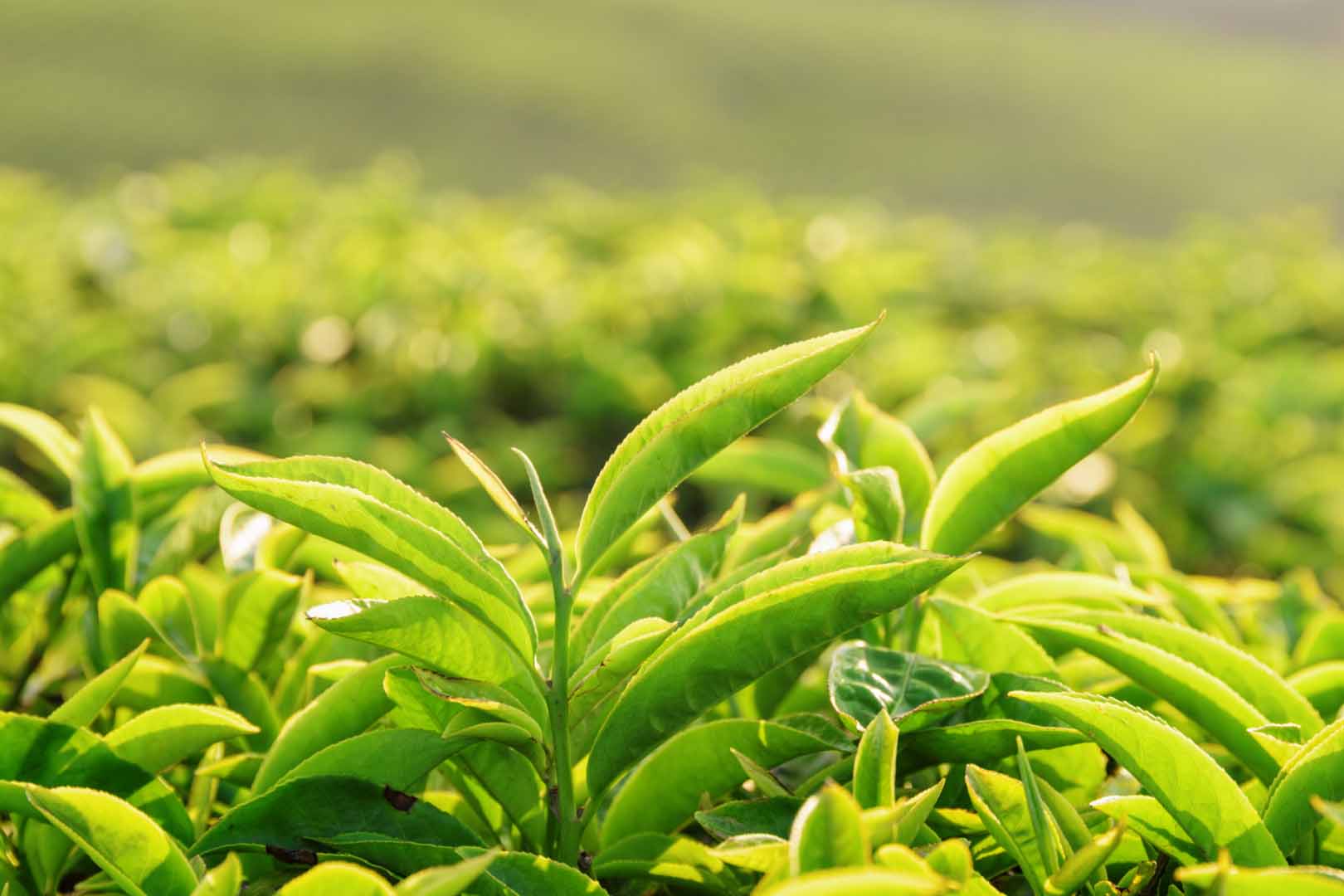
When we talk about green tea, we’re really talking about the leaves of the Camellia Sinensis plant. The thing that sets green tea apart from black or oolong is how little it’s processed. Unlike black tea, green tea leaves aren’t allowed to oxidize (or “ferment,” as it’s often incorrectly called). This delicate handling preserves the good stuff.
The real superheroes in this drink are the Catechins, a type of natural phenol and Antioxidants. The most famous of these is epigallocatechin gallate (EGCG). These compounds are why scientists get excited about green tea—they do a lot of the heavy lifting when it comes to supporting your well-being. If you want to dive deeper into the specific compounds, I highly recommend checking out the Wikipedia entry on the source plant, Camellia Sinensis.
Loose Leaf vs. Tea Bags: Are You Missing Out?
If you’re still relying exclusively on those dusty paper tea bags, I’m going to challenge you to switch. I know, tea bags are convenient. But here’s the deal: most commercial tea bags contain what the industry calls “fannings” or “dust”—the tiny remnants broken off from higher-quality leaves.
These small particles steep quickly, which often means they release bitter tannins immediately. You end up with a harsher, less nuanced flavor profile.
Loose leaf green tea, on the other hand, gives the leaves room to unfurl completely when they hit the hot water. When the whole leaf expands, you get a much smoother, complex, and gentler release of flavor and, importantly, the beneficial Catechins.
This is where the sensory grounding comes in: Watch those tightly rolled jade green spirals start to slowly open in your clear mug. That visual unfolding is part of the experience, and it tells you the quality is higher.
Finding the Best Time of Day to Drink Green Tea
Timing is everything, especially if you’re sensitive to caffeine. Figuring out the best time of day to drink green tea involves balancing the need for focus with the need for sleep.
For most people, the sweet spot is mid-morning (after breakfast) or early afternoon. Drinking it after breakfast helps your body process the compounds effectively, and the manageable caffeine content in brewed green tea offers a steady lift without the intense crash you might get from an espresso shot.
I’ll be the first to admit—this is the part I still struggle with sometimes. I love a warm drink in the evening, but I’ve learned my lesson the hard way. I’ll never forget the time I had a large mug of sencha at 8 PM thinking I was just sipping on water. I spent the next four hours staring at the ceiling, absolutely wired, swearing I saw colors in the dark.
That caffeine kick, even if it feels gentle, is still potent enough to delay sleep if you drink it too late.
If you must have an evening tea ritual, switch to something truly caffeine-free.
Green Tea for Weight Loss and Energy: The Caffeine Question
Many people look to green tea for weight loss, and while it’s certainly not a miracle cure, there is credible science showing it can play a helpful supporting role. The EGCG and caffeine work together, often boosting metabolic rate slightly and helping with fat oxidation.
However, don’t rely solely on the caffeine for energy. That’s a mistake. The real energy advantage comes from the combination of L-theanine (an amino acid naturally found in the leaves) and the caffeine. L-theanine creates a state of “calm focus”—it mellows out the jitters that caffeine often brings, giving you a smooth, sustained feeling of alertness.
Pro Tip: Never use boiling water (212°F) to brew green tea. Boiling water scorches the delicate leaves, destroying the L-theanine and immediately releasing bitter tannins. Aim for water that has just calmed down after boiling—around 170°F to 185°F. Your tongue and your stomach will thank you.
If you are using it specifically for energy or before a workout, here’s how to maximize your intake without overdoing it:
- **Measure Your Caffeine:** A standard 8-ounce cup of brewed green tea usually contains between 25 and 50 mg of caffeine. Knowing this helps you manage your overall daily intake.
- **Don’t Steep Too Long:** Two to three minutes is usually perfect. Longer steeping increases bitterness and caffeine concentration.
- **Pair it with Meals:** Drinking it with food, rather than on an empty stomach, can reduce the likelihood of nausea for sensitive individuals.
Too Much of a Good Thing? Side Effects to Watch For
While green tea is overwhelmingly healthy, we need to address the side effects of drinking too much green tea. Yes, it is possible to overdo it, primarily due to the caffeine and the concentrated nature of some products.
High doses can lead to headaches, insomnia (as mentioned earlier), irritability, and even stomach upset, especially if you drink it too quickly on an empty stomach. If you’re experiencing discomfort, simply dial back the consumption.
A special note needs to be made about green tea extract supplements. These are incredibly concentrated forms of the Catechins, sometimes providing the EGCG equivalent of 10 to 50 cups of tea in one pill. While they sound convenient, there have been some documented cases of liver complications associated with high-dose extracts. When you consume it in its traditional brewed form, your body handles it completely differently.
I strongly recommend prioritizing brewed tea over highly concentrated pills, unless specifically advised by a doctor. If you’re curious about the potential hepatotoxicity concerns, you can find details on various academic health sites. For example, the NIH has published resources regarding possible adverse effects of high-dose botanical supplements, including green tea extract.
Are you brewing your green tea correctly, or are you accidentally scorching those beautiful leaves and missing out on the flavor? Tell me—what’s your favorite time of day to settle down with a perfectly steeped cup?



Leave a Reply