
Look, I\’ll be the first to admit it: when I started drinking green tea, I thought it was supposed to taste bitter. That sharp, almost metallic burn? I just assumed that was the \”healthy taste\” you had to endure. Honestly, I couldn’t have been more wrong. If your cup of green tea tastes like burnt grass, I promise you, you’re doing it wrong—and we’re going to fix that today.
This isn\’t just about pouring hot water over a tea bag; it’s about respecting the delicate leaves of Camellia sinensis and understanding their history, their structure, and the small moves that make a massive difference in flavor. If you want a smooth, vegetal, slightly sweet cup every single time, you\’ve come to the right place. Let\’s dig in.
Key Takeaways
Introduction to Authentic Green Tea: Not All Brews Are Equal
The first thing to know about green tea is that it is fundamentally different from black tea, oolong, or pu-erh. All these true teas come from the same plant, Camellia sinensis, but their processing is what sets them apart. When tea leaves are plucked for black tea, they are allowed to oxidize—which means they react with oxygen, much like how an apple browns after you slice it.
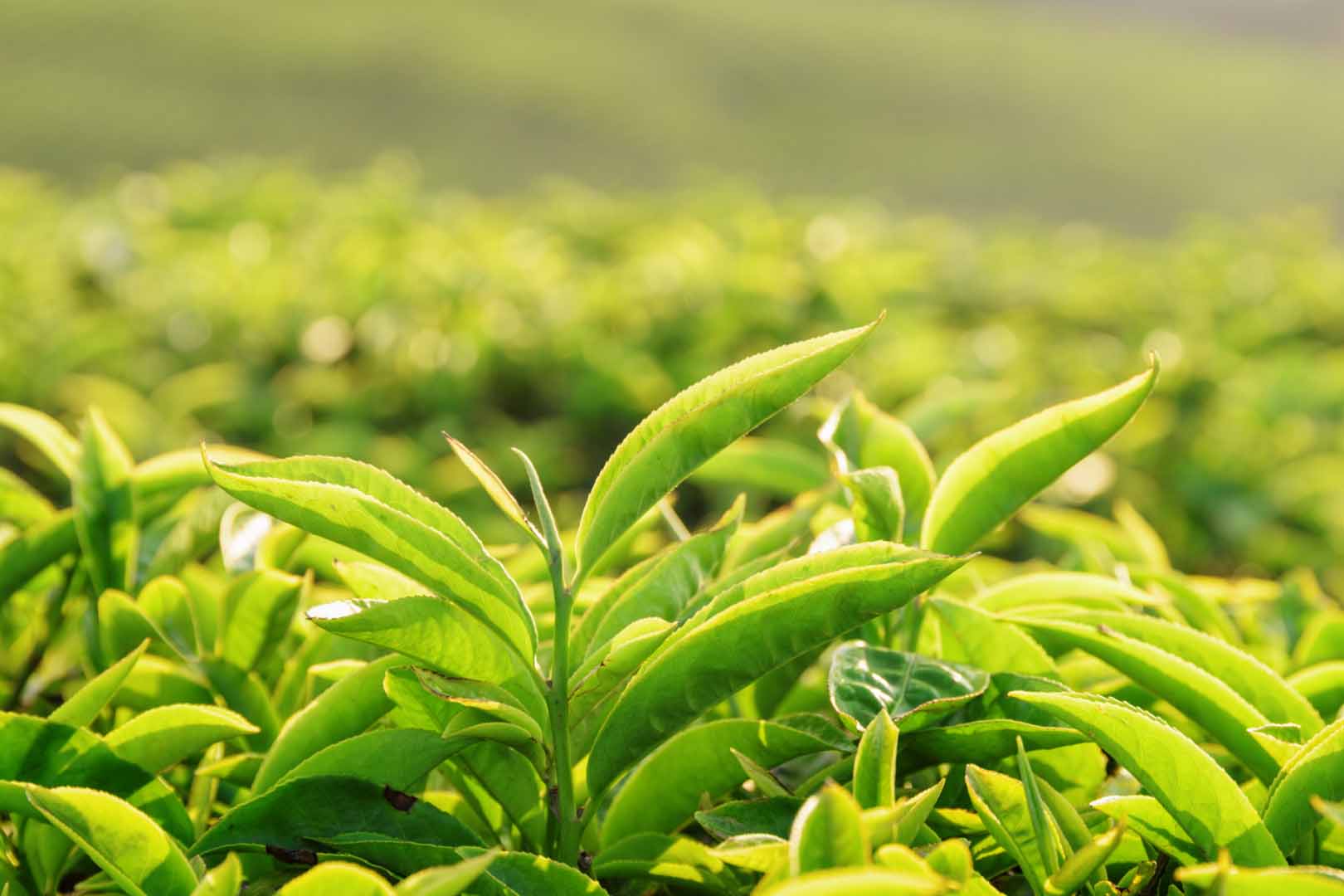
Green tea, however, is spared this fate. After the fresh leaves are picked, producers immediately apply heat—usually by steaming (the Japanese method) or pan-firing (the traditional Chinese method). This rapid heat application deactivates the enzymes that cause oxidation. That’s why green tea retains that bright, often grassy or sea-weedy flavor and its vibrant color. It\’s essentially the closest thing to drinking the fresh leaf itself.
Understanding Where Green Tea Comes From
The world of green tea is enormous, stretching back millennia. It originated in China, but the distinct traditions that evolved in Japan created two completely separate sets of experiences. When you’re shopping for green tea, understanding the region often tells you exactly what to expect in your cup.
Chinese green teas, like Dragonwell (Longjing) or Gunpowder, are often pan-fired. This process gives them a slightly toasted, nuttier, or smoky flavor profile. They tend to be bolder and sometimes slightly sweeter than their Japanese cousins.
The popular Japanese green tea varieties, such as Sencha, Gyokuro, and Matcha, are typically steamed. This steaming process locks in a more vibrant green color and enhances the umami and vegetal notes. Sencha is the daily drinker in Japan—fresh, clean, and a little astringent. Gyokuro, on the other hand, is shade-grown, making it incredibly savory and smooth, with significantly higher levels of L-Theanine (more on that later). The differences in processing dictate the ultimate flavor and mouthfeel.
The Science Behind the Sipping: Catechins and Health
Why do so many people talk about green tea weight loss benefits or its general health support? It comes down to one class of compounds: the Catechins. These are natural antioxidants, and the most abundant and well-studied one in green tea is EGCG (epigallocatechin-3-gallate).
Since the leaves aren\’t oxidized, these compounds remain highly intact. These powerful antioxidants are essentially what gives the tea its reputation as a powerhouse beverage. They\’re often linked to supporting heart health, cell protection, and yes, metabolism.
Look, I\’ll be the first to admit—this is the part I still struggle with sometimes. I’m certainly not drinking it just because I love the taste of medicine; I genuinely enjoy the complexity of the brew. But knowing that those little leaves are also doing some internal cleaning definitely makes the morning cup that much more appealing.
How to Brew Green Tea Without the Bitterness
If you take only one piece of advice away from this entire article, let it be this: temperature kills flavor. Green tea is delicate, and when you scorch the leaves with boiling water, you instantly extract too many tannins. This creates that awful, bitter, metallic taste that turns people off for good.
I’ll never forget the first time I tried to make a beautiful, expensive Gyokuro with water right off the boil. The resulting liquid smelled like old seaweed and tasted so acrid I wanted to spit it out immediately. It was a $20 lesson learned the hard way. The secret to a perfect cup is lower temperature and shorter steep time.
When you get the temperature just right, the water washes over the leaves and gently pulls out the smooth, complex flavor compounds first. You can almost feel the difference—that fresh, grassy scent, like a freshly cut hay field, rising from the mug instead of that burnt smell.
Pro Tip: The Water Temperature Rule
Never, ever use boiling water (212°F / 100°C) for green tea. Aim for a range between 165°F and 185°F (74°C–85°C). If you don\’t have a thermometer, let the water sit for about 5-10 minutes after boiling, or listen for the moment the kettle starts humming but hasn\’t reached a full rolling boil yet.
Here’s the step-by-step for a perfect daily brew:
- Heat the water to the correct temperature (175°F is a solid starting point).
- Use about 1 teaspoon of loose leaf green tea per 8 ounces of water.
- Pour the water over the leaves in your cup or teapot.
- Steep for 1 to 2 minutes. That’s it! If you go over 3 minutes, you risk bitterness.
- Pour and enjoy. High-quality green teas, especially Japanese ones, can usually be steeped two or three times.
What About the Jitters? Caffeine Content in Green Tea
People often ask about the caffeine content in green tea, expecting it to be comparable to coffee. The reality is, it\’s significantly lower—usually about 25 to 45 milligrams per 8-ounce cup, compared to 95+ milligrams in the same size coffee mug. But that’s only half the story.
The secret ingredient that changes the whole experience is L-Theanine, an amino acid naturally found in the tea leaves. L-Theanine works with the caffeine, creating a smoother, more focused energy. Instead of the frantic spike and crash you might get from an espresso, green tea tends to give you a calm, sustained alertness. Studies suggest L-Theanine contributes to this sense of relaxed focus.
It’s the reason I switch to a cup of Sencha in the afternoon instead of reaching for a third cup of coffee. I still get the boost, but without the shaky hands and anxiety.
Is Green Tea Good for Digestion?
This is a common question, and the answer is usually yes, but with a slight caveat. For most people, green tea is good for digestion because it can help soothe the digestive tract and its naturally high water content aids hydration. The mild stimulant effects of the caffeine can also promote regularity.
However, if you are prone to stomach sensitivity or heartburn, consuming green tea on an empty stomach might cause mild irritation due to its acidity and tannin content. Try having your cup after a meal instead of before one, especially if you’re using very strong brews.
A little patience goes a long way here.
Frequently Asked Questions
What is the difference between Matcha and regular Green Tea?
Matcha is a specific type of Japanese green tea where the leaves are shade-grown, dried, and then ground into a very fine powder. When you drink Matcha, you are consuming the entire leaf suspended in water, meaning you get a much higher concentration of Catechins, L-Theanine, and caffeine than you would from a regular steeped cup.
Should I drink my green tea hot or cold?
That depends entirely on your preference! The health components are present regardless of the temperature. However, many experts agree that brewing it hot and then cooling it down (if you want iced tea) will give you the best flavor extraction. Brewing it directly with cold water takes much longer and often yields a weaker taste, though it does minimize the caffeine content.
How long should I keep green tea leaves?
For the best flavor, try to use loose leaf green tea within six months of opening the package. Unlike black tea, green tea is far more delicate and sensitive to heat, light, and humidity. It starts to lose its fresh, vibrant characteristics once exposed to air, so always store it in an airtight container away from your stove or window.
Does green tea weight loss advice actually work?
Green tea is often associated with weight loss because the EGCG and caffeine content can mildly boost your metabolism. However, it\’s certainly not a miracle cure. It works best as part of a larger healthy diet and exercise routine. Think of it as a helpful assistant, not the driver of the car.
So, now that you know the secrets—the magic temperature, the quick steep time, and the crucial difference between the steamed and fired leaves—how are you going to approach your next cup of green tea? Are you planning to try a savory Japanese Sencha, or will you stick to a robust Chinese Lung Ching?



Leave a Reply