
Are you ready to dive into a world of refreshing flavors, ancient traditions, and incredible health boosts? We\’re talking about green tea – not just a beverage, but a beloved ritual enjoyed by millions across the globe. From its humble beginnings as a simple leaf to becoming a powerhouse of wellness, green tea offers a journey for your senses and a treat for your body. If you\’ve ever wondered about its magic, its many forms, or how to brew that perfect, soothing cup, you\’ve come to the right place! Get ready to explore why this verdant brew deserves a prime spot in your daily routine.
Key Takeaways:
- Green tea comes from the *Camellia sinensis* plant, distinguished by its minimal processing.
- Processing methods like pan-firing prevent oxidation, preserving its fresh qualities.
- There\’s a diverse world of green teas, including popular options like loose leaf green tea and Sencha.
- Green tea offers a wide array of health benefits, from boosting metabolism to supporting heart health.
- Mastering the brewing process ensures a delicious and beneficial cup every time.
What Exactly *Is* Green Tea?
At its heart, green tea is simply tea. But what sets it apart from black, oolong, or white tea? The answer lies in how it\’s processed – or rather, how little it\’s processed! All true teas originate from the same plant, Camellia sinensis. It\’s a beautiful evergreen shrub whose young leaves and buds are carefully plucked to create the various types of tea we enjoy.
The key differentiator for green tea is that the freshly picked leaves are quickly heated to prevent oxidation. This process is crucial because oxidation is what turns the leaves brown and creates the distinct flavors of black tea. By stopping oxidation, green tea retains its vibrant green color, fresh, sometimes grassy or vegetal flavor profile, and a higher concentration of beneficial compounds. It\’s a celebration of the leaf in its most natural, unspoiled form!
From Leaf to Cup: How Green Tea is Crafted
The journey of green tea from a vibrant leaf on a bush to your comforting mug is a fascinating one, primarily defined by the method used to halt oxidation. This initial heating step is what gives different green teas their unique characteristics.
The main methods include:
- Steaming (Japanese method): Immediately after harvesting, the leaves are steamed. This gentle heat locks in the fresh, bright green color and often results in teas with a more marine or vegetal flavor, such as Sencha.
- Pan-firing (Chinese method): The leaves are quickly heated in large woks or pans. This method can impart a slightly toasty, nutty, or even smoky flavor to the tea, and leaves might have a slightly darker green hue. Dragonwell (Longjing) is a famous example.
- Sun-drying: Less common, but some traditional methods involve simply drying the leaves under the sun to slowly halt oxidation.
After this initial heating, the leaves are typically rolled and dried again to remove any remaining moisture, shaping them into their final form – whether that\’s tiny pellets, flat leaves, or twisted strands. This careful control over heat and moisture is what makes each type of green tea so special.
A World of Flavors: Exploring Different Green Teas
Just like wine, there isn\’t just one \”green tea.\” The world of green tea is incredibly diverse, offering a spectrum of flavors, aromas, and appearances. The taste can range from sweet and nutty to fresh and grassy, sometimes even with hints of umami.
Let\’s explore some popular varieties:
- Sencha: This is the most popular everyday green tea in Japan. It\’s known for its refreshing, slightly grassy, and sometimes sweet flavor, with a beautiful golden-green liquor. Often found as loose leaf green tea.
- Matcha: A finely ground powder of specially grown and processed green tea leaves. Matcha has a vibrant green color and a rich, creamy, slightly bitter, and umami-rich flavor. It\’s whisked into a frothy beverage.
- Gyokuro: One of Japan\’s most prized green teas, Gyokuro leaves are shaded from the sun for several weeks before harvest. This process boosts chlorophyll and amino acids, resulting in an intensely sweet, umami-rich flavor and a deep emerald color.
- Bancha: A coarser, lower-grade Japanese green tea harvested later in the season. It has a robust, slightly astringent flavor.
- Dragonwell (Longjing): A famous Chinese green tea characterized by its distinctive flat, sword-shaped leaves and a delightfully nutty, sweet, and vegetal flavor. It\’s often pan-fired.
- Gunpowder: Named for its small, pellet-like rolled leaves that resemble gunpowder. It has a bold, smoky flavor and produces a strong, invigorating brew.
Whether you prefer the delicate notes of a premium loose leaf green tea or the bold character of a pan-fired variety, there\’s a green tea out there waiting to become your new favorite.
The Power of the Leaf: Amazing Green Tea Benefits
Beyond its delightful taste, green tea has been revered for centuries for its profound health benefits. Modern science is continually confirming what ancient traditions have known all along. The magic largely comes from its rich concentration of antioxidants, particularly catechins like epigallocatechin gallate (EGCG).
Here are some of the fantastic green tea benefits you can enjoy:
- Rich in Antioxidants: EGCG and other catechins help fight free radicals in the body, which can reduce cellular damage and lower the risk of chronic diseases.
- Boosts Brain Function: The combination of caffeine and L-theanine in green tea can improve alertness, focus, memory, and mood, without the jitters associated with coffee.
- Aids in Weight Management: Some studies suggest that green tea can boost metabolism and increase fat burning, making it a helpful addition to a healthy weight loss plan.
- Supports Heart Health: Regular consumption is linked to a reduced risk of heart disease, primarily by improving cholesterol levels and protecting against oxidation of LDL cholesterol.
- May Help Prevent Certain Cancers: While more research is needed, the antioxidants in green tea have shown promising effects in laboratory and animal studies regarding cancer prevention.
- Improves Dental Health: Green tea contains compounds that can inhibit the growth of bacteria in the mouth, potentially reducing bad breath and the risk of cavities.
- Enhances Skin Health: Its anti-inflammatory and antioxidant properties can be beneficial for skin, both when consumed and applied topically.
Embracing green tea is a simple, delicious way to invest in your overall well-being. For more in-depth information on the health aspects, you can explore resources like the National Center for Complementary and Integrative Health regarding green tea.
Brewing Bliss: Your Guide to the Perfect Cup
Brewing a perfect cup of green tea is an art form that significantly impacts its flavor and benefits. Unlike black tea, green tea is more delicate and requires specific conditions to truly shine. Avoid boiling water, as it can scorch the leaves and result in a bitter brew.
Follow these simple steps for a truly delightful experience:
- Choose Quality Tea: Start with good quality loose leaf green tea. It offers a superior flavor compared to tea bags.
- Use Good Water: Filtered water is always best, as tap water impurities can affect the taste.
- Heat Water to the Right Temperature:
- For most Japanese green teas (like Sencha or Gyokuro), aim for 160-175°F (70-80°C).
- For most Chinese green teas (like Dragonwell), aim for 175-185°F (80-85°C).
- You can use a temperature-controlled kettle or simply let boiling water sit for a few minutes.
- Measure Your Tea: A general rule of thumb is 1 teaspoon of loose leaf green tea per 8 ounces (240ml) of water, but adjust to your taste.
- Steep: Pour the hot water over the leaves.
- For Japanese green teas, steep for 1-2 minutes.
- For Chinese green teas, steep for 2-3 minutes.
- Avoid over-steeping!
- Strain and Enjoy: Remove the leaves immediately to prevent bitterness. Many loose leaf green tea varieties can be steeped multiple times, offering slightly different nuances with each infusion.
Experiment with different temperatures and steeping times to find your personal preference. A perfectly brewed cup is incredibly rewarding!
Beyond the Mug: Making Green Tea a Lifestyle
Incorporating green tea into your daily life doesn\’t just mean drinking it. This versatile ingredient can enrich various aspects of your routine, offering flavor and health benefits in exciting ways.
- Cooking and Baking: Use finely ground matcha powder in smoothies, lattes, baked goods like cookies and cakes, or even savory dishes. You can also infuse whole green tea leaves into broths or marinades for subtle flavor.
- DIY Skincare: The antioxidants in green tea make it an excellent addition to homemade face masks, toners, or compresses to soothe irritated skin and reduce puffiness.
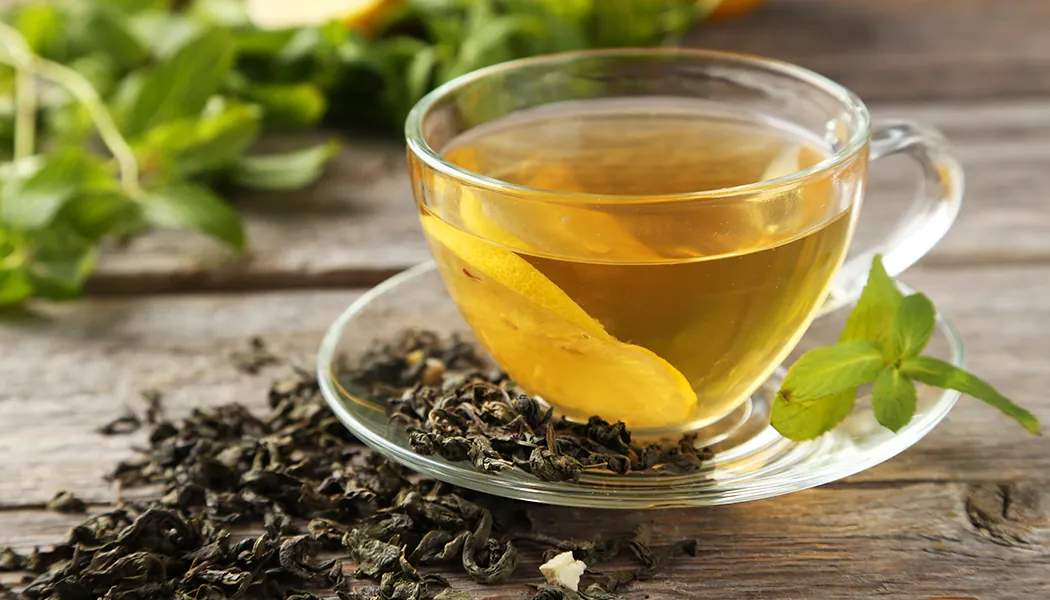
- Iced Refreshments: On a hot day, brew a strong batch of your favorite green tea, let it cool, and serve it over ice with a slice of lemon or a sprig of mint for a wonderfully refreshing drink.
- Mindful Ritual: Take a few moments each day to prepare and savor your green tea. It can be a calming ritual, a moment of peace in a busy day, fostering mindfulness and well-being.
- Pairing with Food: Like wine, different types of green tea can perfectly complement various foods. Lighter, more vegetal green teas often pair well with seafood or salads, while nuttier varieties might complement roasted vegetables or light pastries.
The versatility of green tea is truly remarkable, allowing you to explore its benefits and flavors in countless creative ways. Embrace the journey and let green tea become a delightful and healthy part of your everyday life! For further reading on the broader cultural significance and history, you might find articles from organizations like the Tea Association of the U.S.A. insightful.



Leave a Reply