

You know, it’s funny how some things just stick around. And when it comes to healthy habits, green tea is one of those timeless classics that truly delivers. For centuries, people have turned to this simple brew for everything from a gentle pick-me-up to a soothing moment of calm. But what makes it so special? And how can you make sure you’re getting the most out of every cup?
Honestly, I get it. With all the hype surrounding different health drinks, it’s easy to wonder if green tea is just another passing fad. Let me tell you, it’s not. I’ve spent years exploring different teas, and green tea consistently stands out for its unique composition and delightful versatility. It’s more than just a drink; it’s a small ritual that can bring some real goodness into your routine.
Let’s dive into why this unassuming leaf deserves a spot in your daily life, and how you can brew it like a pro. Because when you do it right, green tea offers a refreshingly simple path to feeling a little better, every single day.
Key Takeaways
Understanding Green Tea: More Than Just Leaves and Water
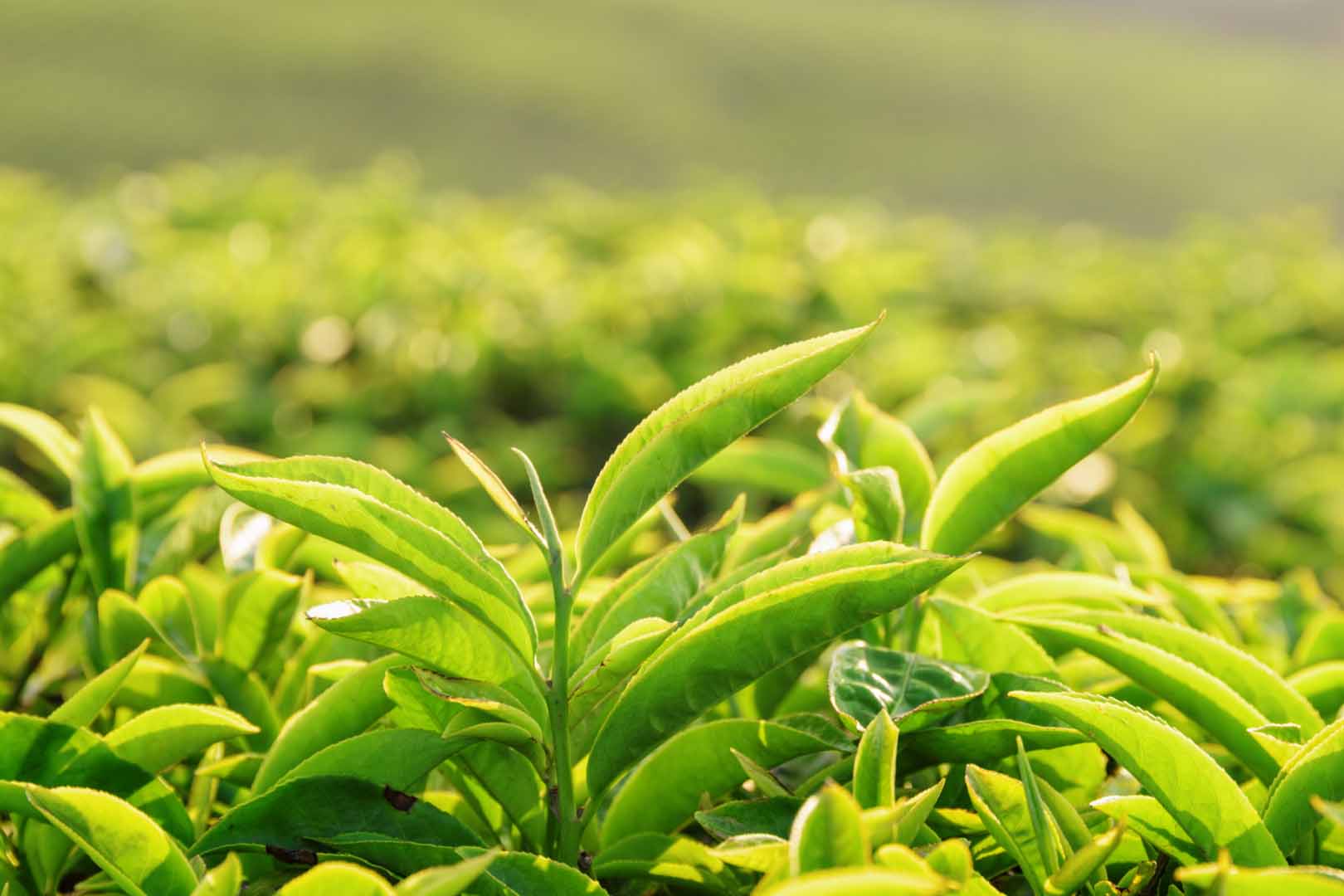
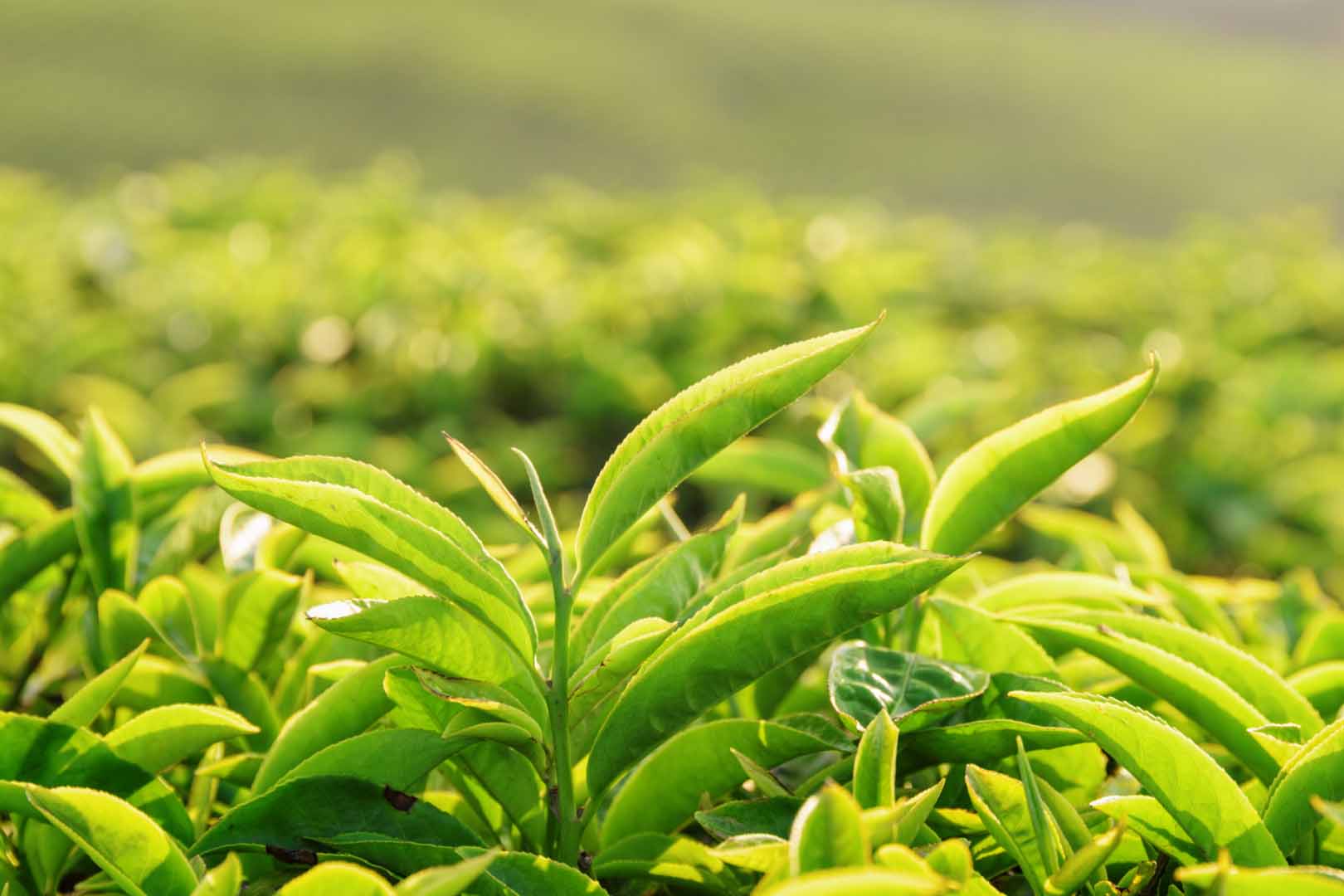
When we talk about green tea, we’re actually talking about a whole family of teas, all originating from the same plant: Camellia sinensis. The magic happens in how these leaves are processed. Unlike black tea, green tea leaves aren’t allowed to oxidize much after being picked. This minimal processing is what helps preserve its vibrant green color, fresh flavor, and the abundance of good stuff inside.
Think about it like this: different chefs can take the same ingredients and create wildly different dishes. The same goes for green tea. The region it’s grown in, the way it’s plucked, and its unique processing all contribute to its final character. That’s why you’ll find such a range of flavors, from grassy and sweet to nutty and robust.
The Main Varieties You Should Know
There are countless varieties of green tea out there, but a few stand out as popular choices. Each has its own story and flavor profile, making the world of green tea a fascinating one to explore. Don’t be afraid to try different kinds to find what truly speaks to your taste buds.
- Sencha (Japan): This is probably the most common green tea in Japan, known for its fresh, grassy, and sometimes slightly sweet flavor. It’s steamed after picking, which gives it its distinctive savory notes.
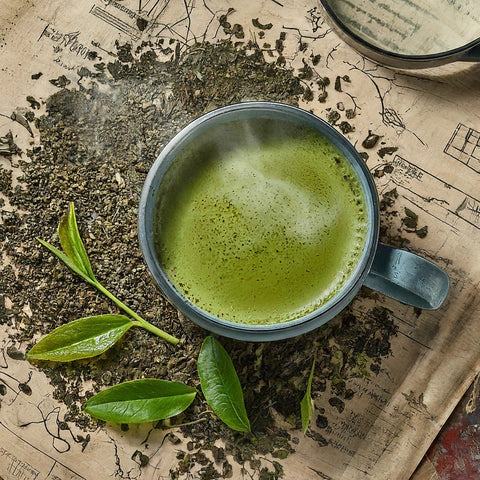
- Matcha (Japan): A finely ground powdered green tea. Matcha is unique because you consume the entire tea leaf, meaning you get a concentrated dose of its compounds. It has a rich, sometimes slightly bitter, umami flavor.
- Gyokuro (Japan): A premium Japanese green tea that’s shade-grown for about three weeks before harvesting. This process boosts its chlorophyll content and amino acids, giving it a deeper green color and a wonderfully sweet, savory, and less astringent taste.
- Dragonwell (Longjing) (China): One of China’s most famous green teas, noted for its distinctive flat, sword-shaped leaves and a sweet, nutty, almost toasty flavor. It’s often pan-fired, which contributes to its unique aroma.
- Gunpowder (China): Named for its tightly rolled, pellet-like leaves that resemble gunpowder. This tea has a bolder, smokier flavor than many other green teas and is often used in mint tea blends.
Every type offers something a little different, and finding your favorite is part of the fun. I always recommend starting with a high-quality Sencha or Dragonwell if you’re new to green tea; they’re generally very approachable.
Brewing the Perfect Cup: Small Details, Big Flavor

Honestly, brewing green tea isn’t rocket science, but there are a few simple tricks that make all the difference. The first time I tried to brew green tea, I made the mistake of using boiling hot water, just like I would for black tea. The result? A bitter, harsh cup that almost put me off green tea entirely! But once I learned the nuances, it became a delightful daily ritual.
Here’s what I learned. Water temperature and steeping time are your best friends here. Too hot, and you’ll scald the delicate leaves, pulling out bitterness. Too long, and it’ll get overly strong and unpleasant. It’s all about balance.
Your Step-by-Step Guide to a Delicious Brew
- Start with Good Water: Filtered or spring water is ideal. Tap water can sometimes have flavors that interfere with the tea’s natural taste.
- Measure Your Tea: Generally, one teaspoon (about 2-3 grams) of loose-leaf green tea per 8 ounces (240 ml) of water is a good starting point. Adjust to your preference.
- Get the Temperature Right: This is crucial! For most green teas, you want water that’s between 160-180°F (70-82°C). If you don’t have a thermometer, boil the water and then let it sit for about 5-10 minutes off the heat before pouring. You can literally feel the steam diminish.
- Steep Briefly: Green teas are quick. Aim for 1-3 minutes. Lighter, more delicate teas might only need 60-90 seconds, while bolder ones can handle up to 3 minutes. Taste as you go!
- Remove the Leaves: Don’t leave the leaves in the water, especially if you plan on multiple infusions. This prevents over-steeping.
Pro Tip: Don’t toss those leaves after the first brew! Many high-quality green teas, especially Japanese varieties like Sencha or Gyokuro, can be re-steeped 2-3 times. Each infusion offers a slightly different flavor profile, often getting sweeter or more nuanced.
Once you get the hang of it, you’ll be able to tell by the aroma and the color when your green tea is just right. The delicate, often grassy scent of a perfectly brewed green tea is a simple pleasure that signals a moment of calm.
Uncovering the Health Advantages: What’s Really Inside Your Cup
So, we know green tea tastes great and can be a lovely ritual. But let’s be real, a big part of its enduring popularity comes from its reputed health advantages. And good news: a lot of that reputation holds up! It’s packed with compounds that do some pretty cool things for your body.
The main players here are antioxidants, especially catechins, with epigallocatechin gallate (EGCG) being the most talked-about. These compounds act like little clean-up crews in your body, helping to protect your cells from damage. It’s a natural way to give your system a bit of support.
How Green Tea Can Support Your Well-being
While green tea isn’t a magic bullet, it definitely contributes to a balanced lifestyle. Here are some of the well-researched ways it might benefit you:
First off, think about your overall cell protection. The antioxidants in green tea are powerful. They help combat oxidative stress, which is essentially cellular wear and tear. Having these protective compounds in your diet is a sensible approach.
Next, there’s the brain. Many people notice a gentle, sustained energy and improved focus from green tea, without the jitters you sometimes get from coffee. This is thanks to a combination of caffeine (less than coffee) and L-theanine, an amino acid unique to tea plants. L-theanine can elicit a calming, yet alert, state, helping you concentrate.
It’s also worth considering metabolic support. Some studies suggest that green tea may modestly contribute to maintaining a healthy metabolism and body weight. Again, it’s not a miracle solution, but it can be a supportive addition to a healthy diet and regular physical activity.
And let’s not forget heart health. Regular consumption of green tea has been associated with various markers of good heart function. This is likely due to its positive influence on things like cholesterol levels and blood pressure, keeping your cardiovascular system running smoothly.
Finally, your immune system. With its rich antioxidant content, green tea can help bolster your body’s natural defenses, keeping you feeling strong and ready to tackle whatever comes your way.
When you look at the whole picture, it’s clear that regularly sipping on green tea can be a simple, yet impactful, choice for your long-term health.
Making Green Tea a Daily Habit: Simple Ways to Enjoy More
Okay, so you’re convinced green tea is worth your time. Now, how do you actually make it a regular part of your day without it feeling like a chore? The good news is, it’s incredibly versatile. You don’t have to stick to just hot cups of plain tea, though that’s a perfectly wonderful way to enjoy it.
The trick is to find ways that fit seamlessly into your existing routine. Maybe it’s your morning wake-up drink, an afternoon pick-me-up, or a calming evening ritual. The key is consistency, and consistency comes from enjoyment.
Beyond the Basic Brew: Creative Ways to Incorporate Green Tea
Think about where you can naturally add it in. For me, a cup in the afternoon often replaces that urge for a sweet snack. It’s a nice, subtle palate cleanser.
- Morning Ritual: Swap out one of your regular coffee cups for green tea. The L-theanine will give you a gentle alertness without the common coffee jitters.
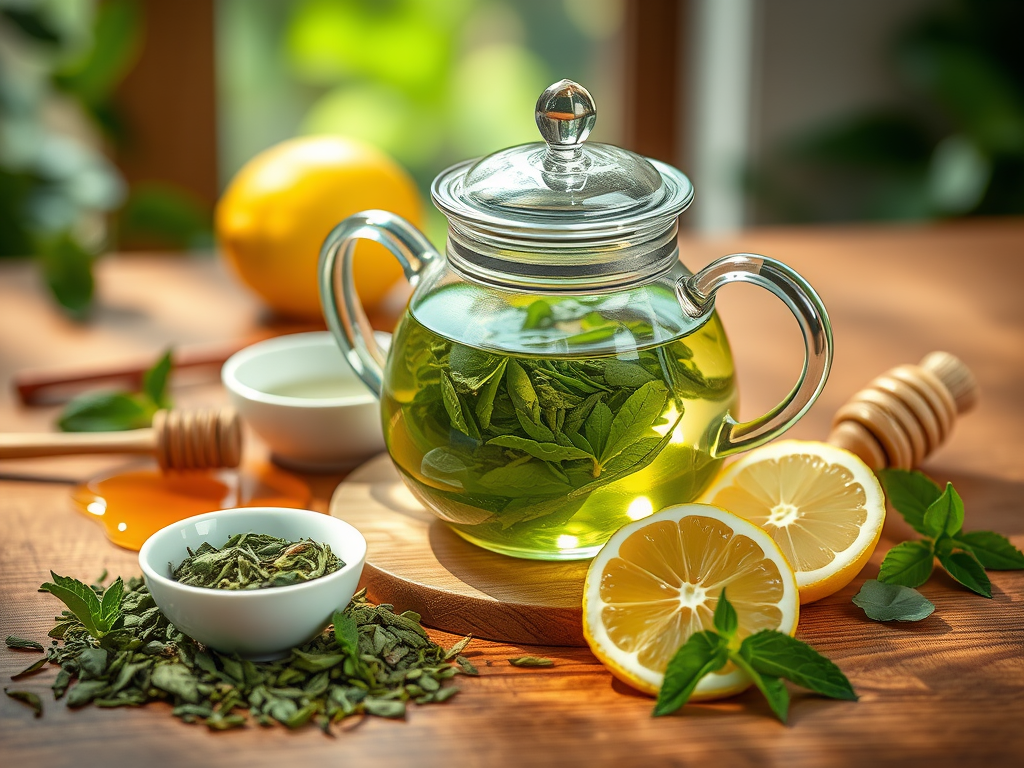
- Iced Tea Refresher: During warmer months, brew a strong batch of green tea, let it cool, and pour it over ice. Add a slice of lemon, a sprig of mint, or a dash of honey for a delicious and cooling drink.
- Smoothie Booster: Brew some strong, cooled green tea and use it as the liquid base for your morning smoothie. You’ll get all the benefits without even tasting it if you’ve got other strong flavors.
- Culinary Ingredient: Don’t be afraid to experiment! Matcha, especially, can be added to baked goods like muffins or cookies, or even savory dishes. A dash of powdered green tea can add a unique earthy flavor and a beautiful green hue to your cooking.
- Mindful Moment: Use your tea time as an opportunity to pause and reset. The warmth of the mug in your hands, the subtle aroma rising, the quiet act of sipping – it’s a wonderful pattern interrupt in a busy day.
What I’ve found is that once you start, it becomes second nature. It’s a small change, but one that can genuinely enhance how you feel throughout the day. Making green tea a daily habit doesn’t have to be complicated; it just needs to be something you enjoy.
Choosing the Right Green Tea for You: Quality Matters
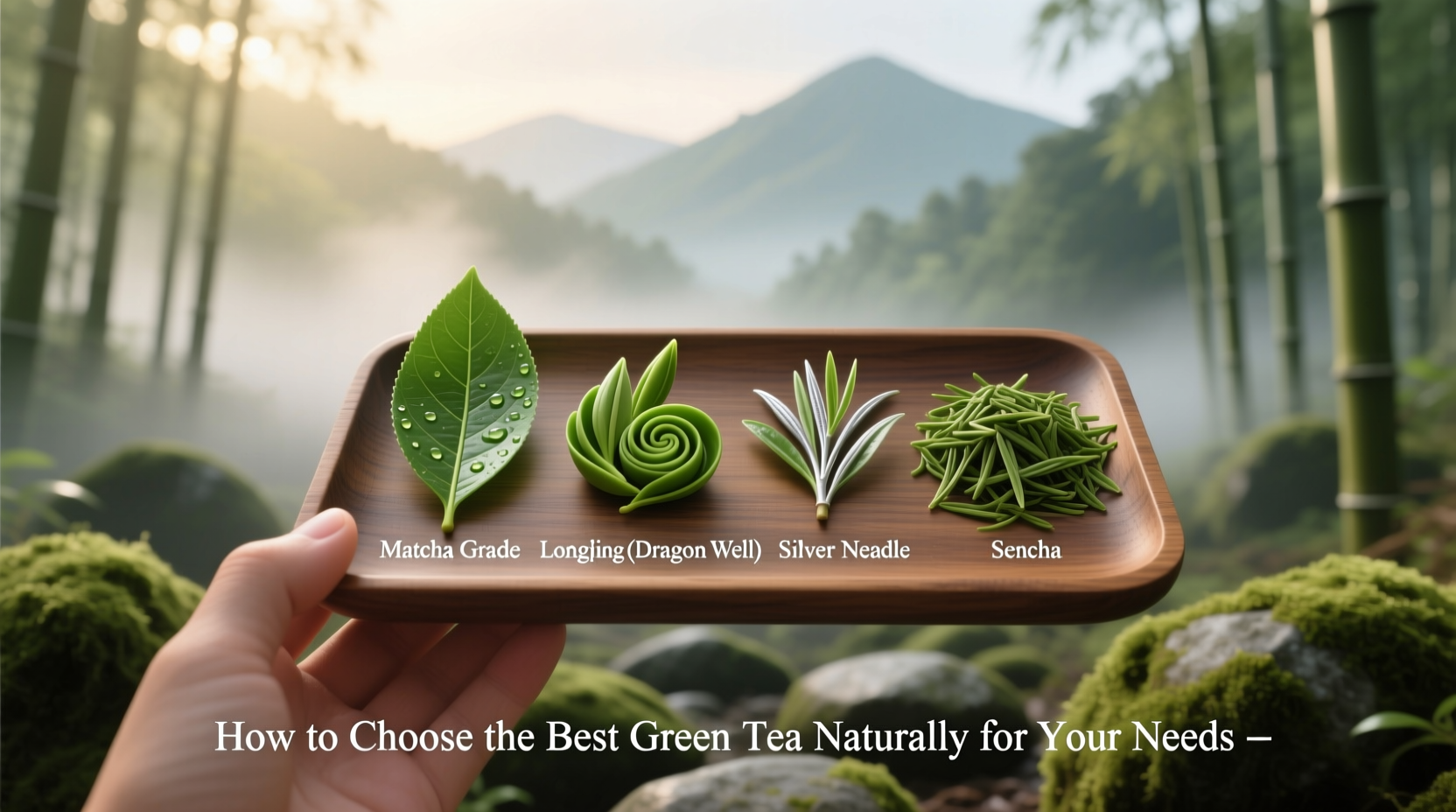
Alright, so you’re ready to dive in. But when you walk into a tea shop or browse online, the sheer number of options can feel a bit overwhelming, right? That’s totally normal. Just remember, choosing a good green tea doesn’t have to be an expert-level task. It boils down to a few basic principles.
Think about it like buying fresh produce. You look for vibrant colors, a good scent, and no signs of damage. Tea leaves are similar. The better the quality, the better the flavor and, often, the more beneficial compounds you’ll find.
Tips for Selecting Your Next Green Tea
Here’s what I look for when I’m choosing green tea. These pointers can help guide your selection, whether you’re buying loose leaf or tea bags.
First, opt for loose-leaf tea whenever possible. Why? Because loose leaves have room to unfurl and release their full flavor. Tea bags, especially the cheaper ones, often contain “fannings” or “dust,” which are tiny broken pieces of leaf. These smaller particles tend to release bitterness more quickly and offer a less nuanced taste.
Next, pay attention to the appearance of the leaves. High-quality green tea leaves should look relatively intact and vibrant in color – usually a deep green, but this can vary by type. Avoid leaves that look dull, brownish, or excessively dusty. A fresh, almost grassy or nutty aroma is also a good sign.
Consider the source. Look for tea from reputable regions known for green tea production, like Japan (for Sencha, Gyokuro, Matcha) or specific regions in China (like Hangzhou for Dragonwell). Buying from trusted tea suppliers or specialty tea shops is often your best bet, as they tend to curate higher-quality selections.
Finally, don’t be afraid to experiment. Your personal preference is ultimately what matters most. Try a small quantity of a few different types, brew them carefully, and see which ones you genuinely enjoy. The world of green tea is vast, and there’s a perfect cup out there for everyone.
Remember, a slightly higher price tag for loose leaf often translates to a much better experience in terms of flavor and potential health advantages. Investing in quality green tea is an investment in a richer, more enjoyable daily ritual.
So, there you have it – a glimpse into the wonderful world of green tea. From understanding its origins to brewing it perfectly and discovering its myriad of advantages, I hope you feel a little more confident about making it a part of your daily life.
What’s your favorite way to enjoy green tea? Or are you just starting your journey?




Leave a Reply